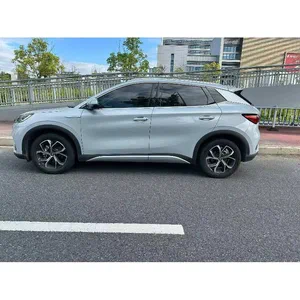

The BYD Atto 3 is a compact electric SUV suited to buyers in African markets who need a vehicle for urban commuting, family transport and regular intercity travel. Its battery-electric powertrain removes petrol consumption and tailpipe emissions, but export suitability depends on battery condition, charging access, vehicle specification and the import rules of the destination country.
The Atto 3 uses a front-mounted electric motor driving the front wheels. It is not an all-wheel-drive SUV. Depending on the production year and market specification, output is commonly around 150 kW, with battery configurations that include approximately 49.9 kWh and 60.5 kWh. These differences affect range and charging requirements, so buyers should check the actual vehicle’s build specification rather than rely on a model-level description. Published driving range is based on test cycles and conditions. Air conditioning, passenger load, road speed, temperature and driving habits all affect the distance available between charges. For buyers comparing electric vehicles with the petrol-powered Geely Coolray or Haval H6, the key difference is the need to plan around charging rather than fuel stations.
For urban use in Ghana, Nigeria, Kenya, Uganda and Tanzania, the Atto 3 has several practical advantages. Electric drive delivers immediate torque at low speeds, which suits stop-start traffic and frequent acceleration. Its compact SUV dimensions also make it easier to park and manoeuvre than larger family vehicles such as the Chery Tiggo 8 Pro. Ground clearance and tyre condition still deserve attention. Poorly maintained roads, potholes and uneven surfaces can increase the risk of underbody or suspension damage. Buyers should inspect the battery enclosure, suspension arms, wheel alignment and underside of the vehicle. A test drive should include low-speed manoeuvres and, where possible, a section of uneven road. The vehicle’s front-wheel-drive layout is adequate for ordinary paved roads, but it is not intended for demanding off-road conditions.
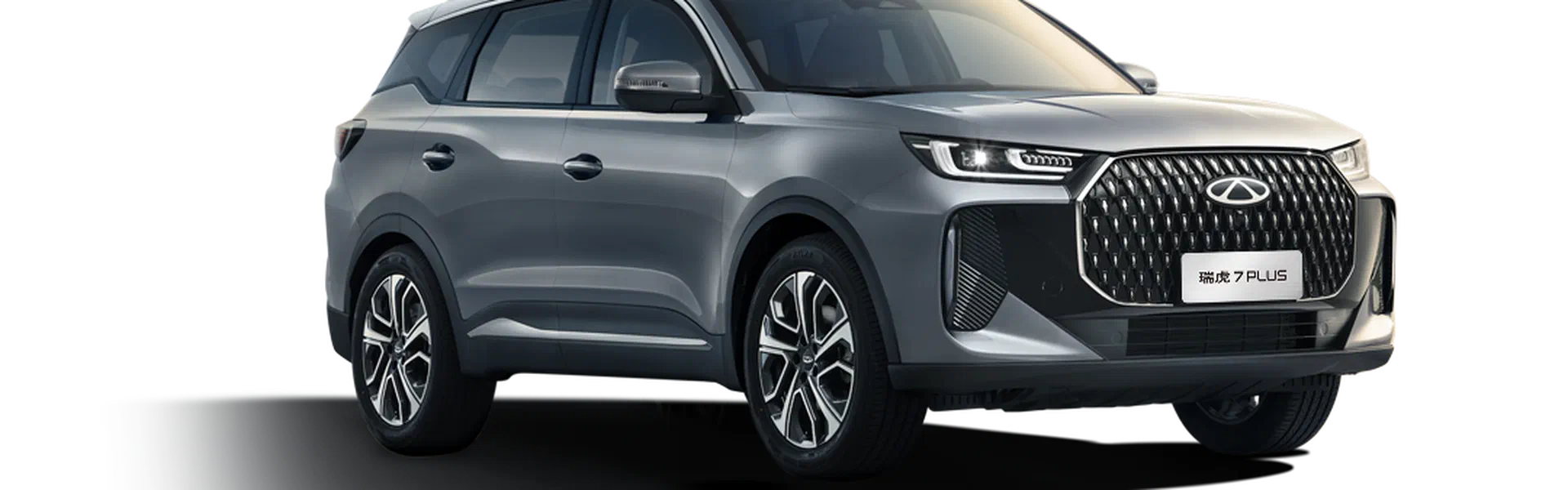
Charging access is a more important ownership consideration than the advertised range alone. The Atto 3 can use compatible AC charging equipment and supports DC fast charging, although charging speed depends on battery version, charger output, temperature and battery management. Before ordering, importers should establish whether the destination has suitable charging facilities at home, work or public locations. Electrical supply reliability also matters. A buyer in an area with frequent power interruptions may need a dedicated charging arrangement or backup electricity supply. Connector compatibility, charging equipment availability and local electrical installation standards should be checked before shipment. Compared with the Chery Tiggo 7 Plus, which is available with combustion powertrain configurations, the Atto 3 requires a different approach to daily operating arrangements.
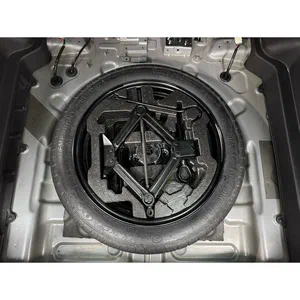
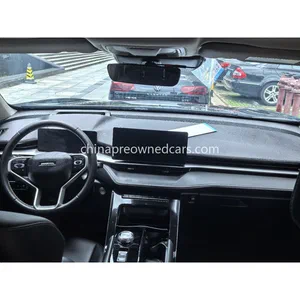
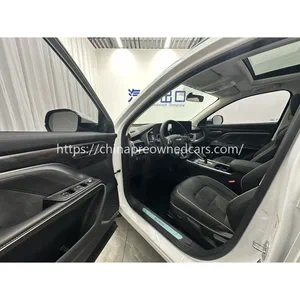
Used-vehicle condition grading should account for the electric powertrain rather than focus only on exterior appearance. A vehicle may present well while having experienced battery degradation, previous collision repairs or problems with its charging system. A practical assessment should separate cosmetic condition from mechanical and electrical condition. Exterior grading covers paintwork, dents, glass, lights and evidence of accident repairs. Interior checks include seat wear, dashboard functions, air conditioning, infotainment, power windows and warning indicators. Mechanical inspection covers tyres, brakes, steering and suspension. For the electric system, the buyer should request a battery state-of-health report, diagnostic fault scan and available charging history. Battery capacity should be compared with the manufacturer’s reference specification, while any abnormal cell-voltage differences or stored fault codes require investigation. A condition grade is useful only when its inspection criteria and supporting evidence are clearly documented.
Export preparation requires additional checks. The vehicle identification number should match the registration and export documents, and the production date, trim, battery capacity and ownership history should be verified where records are available. China’s used vehicle exports require the appropriate export licensing, customs declaration and pre-shipment inspection. The exporter should confirm that the selected unit meets the applicable export requirements and provide the buyer with the relevant documentation. Shipping arrangements generally involve either Roll-on/Roll-off (RoRo) transport or container loading. RoRo can be suitable for operational vehicles, while container shipping offers a different loading and handling arrangement. For electric vehicles, the shipping line must receive accurate battery information and the required transport documentation. Battery condition and applicable dangerous-goods handling procedures should be confirmed before booking.
Drive-side compatibility is another important issue for African importers. Most Chinese domestic-market Atto 3 vehicles are left-hand drive. This is generally compatible with left-hand-drive destinations, but buyers must verify the current vehicle registration and import rules in Ghana, Nigeria, Kenya, Uganda or Tanzania before committing to a purchase. A country’s restrictions may cover vehicle age, emissions, roadworthiness, registration eligibility and steering position. These requirements can change, and a vehicle accepted in one market may not qualify in another. The Atto 3 produces no tailpipe emissions during operation, but this does not automatically establish compliance with every local import or registration standard. Buyers should obtain confirmation from the relevant customs authority or a qualified local clearing agent. Comparing supplier listings across the biggest used car websites can help establish market availability, but online descriptions are not substitutes for vehicle-specific inspection records.

A sound purchase process begins before payment. The exporter should provide recent exterior and interior photographs, a walk-around video, VIN details, specification information and the available inspection findings. Buyers should also request clear evidence of battery diagnostics, charging-system operation and any reported accident or repair history. Payment terms, inspection arrangements, shipping costs and responsibility for destination charges should be agreed in writing. The pro forma invoice should identify the vehicle and specify what is included in the transaction. After shipment, the buyer will need the applicable export and transport documents for customs clearance and local registration. Parts availability and service support should also be checked locally. BYD technical support, compatible diagnostic equipment and replacement battery components may not be equally accessible in every city. An importer should establish a realistic maintenance and repair plan before placing an order, particularly where the vehicle will operate outside major urban centres.
FAQ
Q: What is the real-world driving range of a used BYD Atto 3?
A: Range depends on battery capacity, state of health, driving speed, climate and passenger load. Buyers should obtain the specific vehicle’s battery diagnostics and use a conservative estimate rather than rely solely on its original advertised range.
Q: Can a left-hand-drive BYD Atto 3 be imported into Ghana, Nigeria or Kenya?
A: Most Chinese domestic-market Atto 3 vehicles are left-hand drive, but import and registration eligibility must be confirmed under the destination country’s current regulations before purchase.