The export process for used vehicles involves several critical steps to ensure compliance with regulations and to facilitate smooth transactions. Pre-shipment inspection is a key component, where vehicles undergo thorough checks to assess their condition. This inspection typically covers mechanical performance, safety features, and overall reliability. Depending on the destination market, required certifications may include emissions compliance and roadworthiness. Buyers should verify inspection results and ensure that the necessary certifications are in place before proceeding.
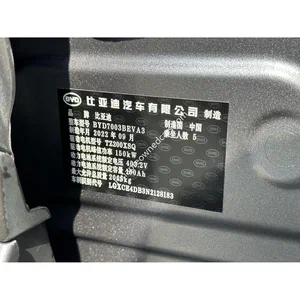
Export documentation is another essential aspect of the process. Key documents include the customs declaration, bill of lading, and certificate of origin. These documents are vital for customs clearance at the destination port. The customs declaration details the vehicle’s specifications and value, which can influence import duties and taxes. The bill of lading serves as a receipt for the shipment, while the certificate of origin confirms the vehicle’s manufacturing source. Accurate completion of these documents is crucial to avoid delays.

When it comes to shipping methods, two primary options are available: Roll-on/Roll-off (RoRo) and container shipping. RoRo is typically more cost-effective and suitable for larger shipments, allowing vehicles to be driven directly onto the vessel. However, it may pose a higher risk of damage due to exposure during transit. Container shipping offers better protection against the elements and minimizes damage risk, making it the preferred choice for high-value vehicles or when shipping smaller quantities. Buyers should consider the trade-offs between cost and damage risk when selecting a shipping method.
Port handling procedures also play a significant role in the export process. Upon arrival, vehicles must undergo customs clearance, which may involve inspections by port authorities. This can vary based on the destination country’s regulations. For example, some markets may have specific age limits or emission standards that must be met. Buyers should familiarize themselves with these requirements to ensure that vehicles are compliant before shipping.
Shipping lead times can vary significantly based on the chosen method and destination. Typically, RoRo shipments may take around two to three weeks, while container shipping can extend this timeframe to four weeks or more. It is advisable for buyers to plan ahead and confirm shipping timelines with the exporter. Payment terms are also an important consideration, as they can vary by transaction and should be clearly outlined before finalizing any agreements.
FAQ
Q: What is included in the pre-shipment inspection? A: The pre-shipment inspection typically covers mechanical performance, safety features, and overall vehicle condition. Buyers should verify the results.
Q: What documents are needed for export? A: Key documents include the customs declaration, bill of lading, and certificate of origin. Accurate documentation is essential for customs clearance.
Q: How long does shipping usually take? A: Shipping lead times vary, with RoRo shipments typically taking two to three weeks and container shipping taking four weeks or more, depending on the destination.