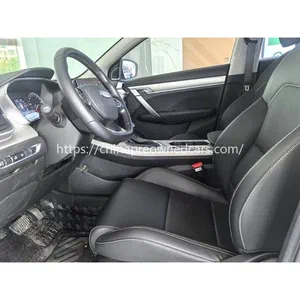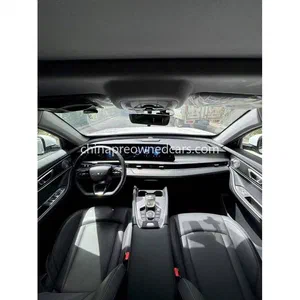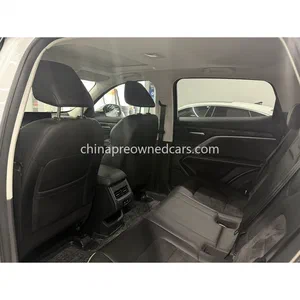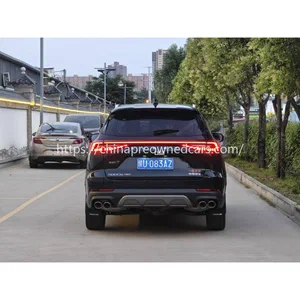
Battery state of health is one of the first checks required when exporting a used electric vehicle to Ghana. A vehicle may show an acceptable dashboard range while its battery has lost capacity through age, charging cycles or operating conditions. Buyers should request a diagnostic report showing state of health (SOH), usable capacity, cell voltage differences and battery fault history. The report should identify the test method and date. A battery management system scan can also reveal abnormal cell behaviour or stored fault codes that a basic road test may not detect. For models such as the BYD Atto 3, battery condition has a direct bearing on practical driving range and future resale value. Mileage alone is not a reliable measure of battery condition.
Charging compatibility requires equal attention. Chinese-market EVs commonly use GB/T connectors, while CCS2 is widely used across many international charging networks. CHAdeMO remains present in some markets but is less common in newer installations. Ghanaian buyers should confirm the connector types supported by their intended charging locations before selecting a vehicle. Public charging availability, electricity supply and access to compatible charging equipment all affect daily usability. An adapter should not be treated as an automatic solution; compatibility, charging speed and manufacturer support need verification. Buyers comparing used cars on sale online should request photographs of the charging port, charging specifications and confirmation of the vehicle’s original market configuration. Hybrid vehicles also need checks of their high-voltage battery and charging system where applicable, although plug-in and conventional hybrids have different charging requirements.
Battery transport is another export consideration. Lithium-ion batteries are generally regulated as dangerous goods during transport, with requirements depending on whether the battery is installed in the vehicle, its condition and the shipping method. UN 3480 generally covers lithium-ion batteries shipped separately, while UN 3481 applies to batteries contained in or packed with equipment. The shipping classification must be confirmed with the carrier and dangerous-goods documentation prepared where required. Exporters must also arrange the applicable Chinese export licensing, customs declaration and pre-shipment inspection. Vehicles may travel by RoRo or in containers, subject to carrier acceptance and loading requirements. Before purchase, Ghanaian importers should verify the VIN, service records, accident history, battery diagnostic results and charging compatibility. Import rules covering vehicle age, emissions, roadworthiness and duties should be checked against current Ghanaian requirements. Most Chinese domestic vehicles are left-hand drive, so steering configuration must also be confirmed before shipment. A low purchase price does not compensate for a battery whose reduced range limits the vehicle’s local market value.

FAQ
Q: What battery health information should a buyer request before exporting an EV to Ghana?
A: Request a dated battery diagnostic report showing SOH, usable capacity, cell voltage differences and fault history. Supporting battery management system scan results are useful for identifying issues that may not appear during a road test.
Q: Can a Chinese-market EV with a GB/T charging port be used in Ghana?
A: It depends on the available charging equipment and verified connector compatibility. Buyers should confirm local charging options and any approved adapter requirements before committing to a vehicle.