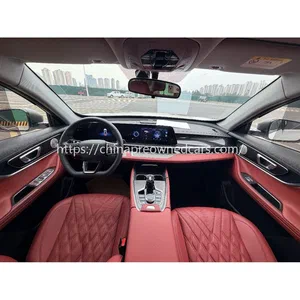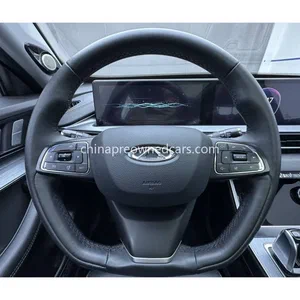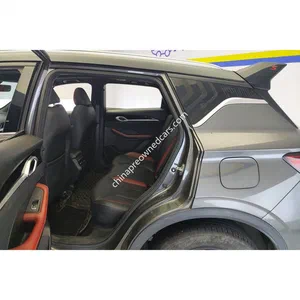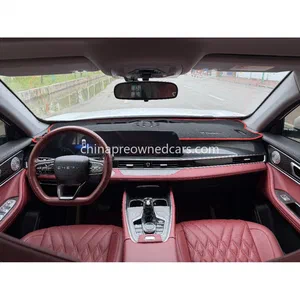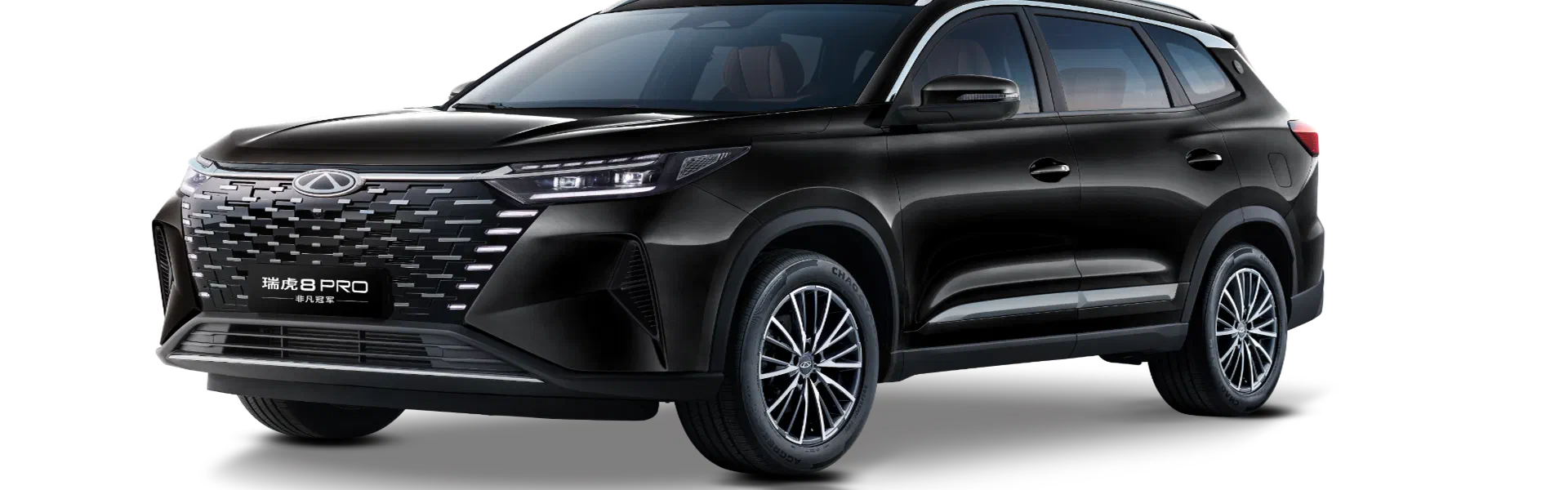
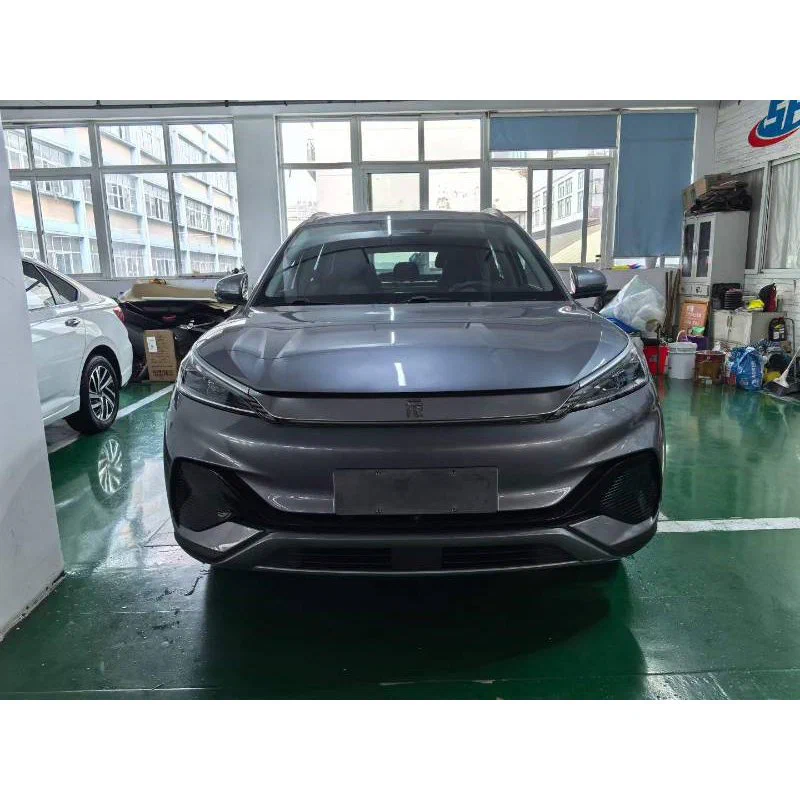
Wholesale used cars refer to pre-owned vehicles sold in bulk, typically to dealers or exporters rather than individual consumers. This model allows for efficient purchasing and distribution of vehicles, often at lower prices than retail market offerings.
Chinese electric and hybrid SUVs, such as the BYD Atto 3 and Chery Tiggo 7 Plus, are increasingly popular in various international markets, including Africa and the Middle East. These vehicles often feature modern amenities, energy-efficient technologies, and favorable performance characteristics. Buyers should focus on key specifications such as battery health, vehicle condition, and mileage, as these factors significantly influence resale value and performance. Additionally, a thorough understanding of the vehicle’s history and maintenance records is essential to ensure a sound investment.
Exporting used vehicles from China involves several critical steps, including pre-shipment inspections, customs clearance, and selecting the appropriate shipping method. Pre-shipment inspections verify the vehicle’s condition and compliance with destination country regulations. Customs clearance ensures that all necessary documentation, such as export licenses and bills of lading, are in order, facilitating smoother transit. Vehicles can be shipped as Roll-on/Roll-off (RoRo) or in containers, with each method having its own advantages regarding cost and security.
Different markets have specific requirements for imported vehicles, which can include regulations on age limits, emission standards, and drive-side configurations. Most vehicles in China’s inventory are left-hand drive, making them suitable for markets like Ghana and Nigeria, where this configuration is standard. However, buyers must verify the current import regulations for their specific destination, as these can change frequently. Understanding these nuances helps prevent unexpected complications during the import process.
When purchasing wholesale used cars, buyers should conduct thorough due diligence. This includes verifying the vehicle’s VIN, ensuring all paperwork is complete, and confirming payment terms. Additionally, understanding the shipping lead times, which can vary depending on the destination and shipping method, is crucial for planning. Buyers should also inquire about after-sales support, which may include warranty coverage, maintenance services, and assistance with local regulations.

In summary, wholesale used cars offer a viable option for dealers and exporters looking to enter or expand their presence in emerging markets. By focusing on the right specifications, understanding export procedures, and navigating market-specific requirements, buyers can make informed decisions and enhance their business opportunities.
FAQ
Q: What should I check before purchasing a wholesale used car?
A: Verify the vehicle’s condition, mileage, maintenance history, and ensure all necessary documentation is complete.
Q: What are the shipping options for exporting used vehicles?
A: Vehicles can be shipped using Roll-on/Roll-off (RoRo) or container shipping methods, each with distinct advantages.
Q: Are there specific regulations for importing used vehicles into different countries?
A: Yes, each country has its own import regulations, including age limits and emission standards, which should be confirmed prior to purchase.