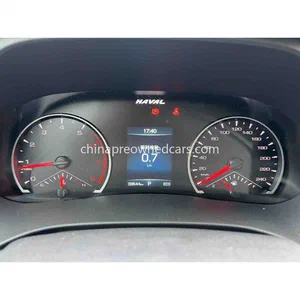

Understanding vehicle condition grading is essential for buyers in the used vehicle export market. This article explores how used vehicles are graded, what to look for in terms of condition, and the implications for purchasing pre-owned cars, especially those manufactured in China. Buyers should be aware of the specific factors that influence the condition of vehicles, as well as the importance of verifying claims made by dealers.
Vehicle Grading Criteria
Used vehicles are typically graded based on several criteria that reflect both cosmetic and mechanical conditions. Common grading factors include:
Cosmetic Condition: This involves assessing the exterior and interior for scratches, dents, and wear-and-tear. A thorough inspection should be carried out to ensure the vehicle meets the buyer’s standards.
Mechanical Health: Evaluating the engine, transmission, and other critical components is crucial. Buyers should request detailed information on any repairs or maintenance conducted.
Mileage Bands: Mileage can significantly impact a vehicle’s value and expected lifetime. Lower mileage generally suggests less wear, but it is essential to consider the vehicle’s overall condition.
Service History: A documented service history can provide insights into how well the vehicle has been maintained. Buyers should look for regular maintenance records to assess reliability.
Understanding Inspection Processes
The inspection process often includes a comprehensive evaluation of a vehicle’s condition by qualified personnel. However, it is important to recognize its limitations.
Pre-shipment Inspection: Before export, vehicles are typically subjected to a pre-shipment inspection that evaluates their overall condition and functionality. This inspection may not cover every detail, so buyers should supplement it with their own checks.
Documentation: Ensure that all inspection reports and documents are verified and complete. This documentation is essential for customs clearance and should be accurately maintained throughout the export process.
Export-Grade and Dealer-Grade Vehicles
Terms like “export-grade” or “dealer-grade” are commonly used to classify vehicles based on their suitability for international markets.
Export-Grade: This designation usually indicates that the vehicle meets basic export requirements, such as being roadworthy and complying with the necessary documentation.
Dealer-Grade: These vehicles often undergo additional scrutiny and repairs to ensure they are in optimal condition for resale. Buyers should confirm these claims directly with the dealer.
Verifying Vehicle Claims
Buyers should be proactive in verifying the condition claims made by dealers.
VIN Verification: Checking the Vehicle Identification Number (VIN) against service records can help ensure the vehicle’s history aligns with the seller’s claims.
Physical Inspection: Conducting a physical inspection or hiring a third-party service for a pre-purchase inspection is advisable. This can reveal issues not disclosed by the dealer.
Condition Red Flags
While assessing used vehicles, there are several red flags that buyers should be aware of.
Inconsistent Service Records: Gaps in the service history or missing documents can indicate poor maintenance.
Unusual Wear in Key Areas: Excessive wear on tires, brakes, and the interior can suggest that the vehicle has been poorly maintained.
Signs of Accident Damage: Look for signs of bodywork, uneven paint, or misalignment, which could point to previous accidents.
Practical Buyer Guidance
When purchasing used vehicles for export, buyers should consider several practical aspects.

Payment Terms: Understand the payment structure and ensure that it aligns with the buyer’s financial planning.
Shipping Lead Times: Shipping times can vary based on the method chosen, whether RoRo or container shipping. Buyers should clarify this aspect before finalizing their purchase.
After-Sales Support: Investigate the after-sales support offered by the dealer. This can provide additional assurance about the vehicle’s quality and ongoing support.
FAQ
Q: What does “export-grade” mean for used vehicles?
A: Export-grade indicates that a vehicle meets the basic requirements for international shipping and has been deemed roadworthy for its intended market.
Q: How can I verify the condition of a used vehicle before purchase?
A: Buyers should conduct a physical inspection, check the VIN against service records, and consider hiring a third-party inspection service.