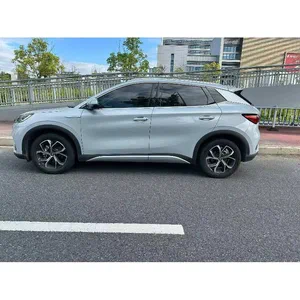
The BYD Atto 3 is a battery-electric compact SUV that can suit buyers sourcing used vehicles from China for African markets, provided the vehicle’s battery condition, charging compatibility and import eligibility are checked before purchase. Its practical value depends less on its advertised range than on the specification and condition of the individual unit being exported.
The Atto 3 uses a front-mounted electric motor driving the front wheels. It is not a four-wheel-drive SUV. Chinese-market versions have been offered with different battery capacities, commonly around 49.9 kWh and 60.5 kWh, with advertised CLTC driving ranges varying by version. These figures should not be treated as real-world African driving range. Highway speeds, air-conditioning use, ambient temperature, road surfaces, vehicle load and battery ageing all affect energy consumption. Buyers should request the exact model-year specification and battery version rather than rely on a general Atto 3 specification sheet. A vehicle advertised with a longer range may have a different battery configuration, not necessarily a better battery condition.
The battery is the main item separating a sound used Atto 3 from a risky purchase. Its Blade lithium iron phosphate (LFP) battery should be assessed through a vehicle-linked diagnostic report, not an estimated dashboard range alone. Request the battery state of health (SoH), available capacity information, diagnostic fault codes and charging history where available. The inspection should also cover the battery enclosure and underbody for impact damage, signs of water ingress and evidence of previous repairs. A useful report identifies the test date, diagnostic method and vehicle identification number (VIN). If a seller supplies only a photograph of the dashboard, the battery assessment remains incomplete.
The Atto 3’s physical dimensions also matter for African operating conditions. It is approximately 4.46 metres long, with a wheelbase of 2.72 metres and unladen ground clearance of about 175 mm in the cited specification. MacPherson front suspension and a multi-link rear arrangement provide a conventional passenger-SUV layout. This makes the vehicle suitable for ordinary urban roads and maintained intercity routes, but it should not be treated as a dedicated off-road vehicle. Poorly maintained roads, deep potholes, overloaded suspension and rough access tracks can increase the risk of underbody damage. Buyers in Ghana, Nigeria, Kenya, Uganda and Tanzania should consider the actual routes on which the vehicle will operate. Tyre condition, wheel alignment, suspension bushes and battery protection deserve particular attention during inspection.
Sourcing should begin with the destination specification, not simply the cheapest available listing. Most Chinese domestic vehicles are left-hand drive (LHD), including many Atto 3 units offered for export. This creates an important compatibility check for countries where right-hand-drive vehicles are required or where steering configuration is restricted. The buyer should confirm the applicable rule before paying a deposit. The charging inlet is equally important. Different regional versions can use different AC and DC charging standards, so the connector on the actual vehicle must match the charging equipment available in the intended market. Buyers should also establish whether local technicians can access compatible diagnostic equipment and obtain replacement components. BYD parts availability and service support should be checked in the destination country rather than assumed from the manufacturer’s international presence. The Atto 3 produces no exhaust emissions during driving, but that does not automatically establish compliance with every country’s vehicle import or registration requirements.
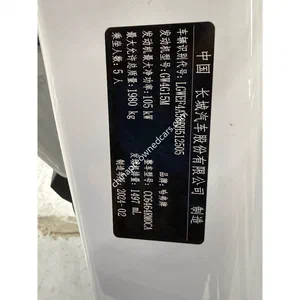
Dealer sourcing and auction sourcing involve different checks. A dealer purchase may provide a more direct route to vehicle records, inspection access and negotiation over identified defects. Auction sourcing can offer a wider selection, but listings may contain limited maintenance information and less opportunity to investigate previous repairs before bidding. For either route, request the VIN, first registration date, odometer reading, ownership documents and available service records. Compare the mileage shown in the vehicle’s electronic systems with recorded maintenance dates and previous inspection documents. Search results containing phrases such as used car 15k should not be treated as proof that a particular Atto 3 specification or condition is available within that budget. The purchase decision should account for battery condition, repair requirements, export preparation and freight, not just the initial vehicle quotation. The same sourcing discipline applies when comparing the Atto 3 with petrol SUVs such as the Chery Tiggo 7 Plus, Geely Coolray and Haval H6.

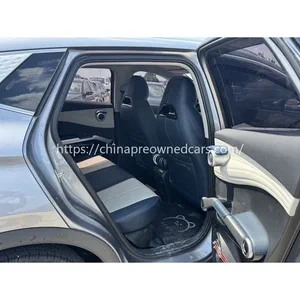
Condition grading should describe the individual vehicle rather than the model’s general reputation. A practical assessment can separate cosmetic wear, mechanical condition, structural condition and electrical-system condition. Exterior checks should identify repainting, panel replacement, dents, corrosion and inconsistent panel gaps. Interior checks should cover seat wear, water damage, screen operation, air-conditioning, cameras, windows and driver-assistance functions. Mechanical inspection should include tyres, brakes, steering, suspension and evidence of collision repairs. For an electric vehicle, the report must additionally address battery diagnostics, charging operation, high-voltage warning messages and the condition of the charging port. Buyers should ask for dated photographs and video of the actual unit, including its VIN and odometer. Any missing history or inaccessible diagnostic information should be recorded as unknown, not silently classified as satisfactory. A low-mileage vehicle can still have accident damage or prolonged storage-related problems.
Before the purchase is finalised, the exporter and buyer should agree on the vehicle identity, inspection scope, condition disclosures, payment stages and responsibility for export costs in writing. A sensible arrangement links the initial payment to a verified purchase agreement and the remaining balance to agreed inspection and documentation milestones. The exporter should explain what happens if the inspected vehicle differs materially from the contracted specification. Buyers should also confirm the legal exporting entity and payment beneficiary before transferring funds. China’s used vehicle export process requires the appropriate export licensing, customs declaration and pre-shipment inspection. The documentation package should identify the vehicle correctly and support the destination country’s clearance requirements. Import rules in Ghana, Nigeria, Kenya, Uganda and Tanzania can differ, including restrictions relating to vehicle age, emissions, steering position and roadworthiness. These requirements should be checked against current official guidance for the specific shipment before the vehicle is purchased.
Shipping arrangements affect both cost and handling. RoRo shipping generally involves driving the vehicle onto a specialised vessel, while container shipping places it inside a freight container. The suitable method depends on the route, carrier acceptance, vehicle dimensions, shipment arrangements and buyer’s handling requirements. Used EVs need additional coordination because the battery is a regulated transport consideration; the carrier may require battery documentation and confirmation of the vehicle’s condition. The buyer should establish which documents and declarations the shipping line requires before booking. Export preparation, customs processing, vessel schedules and destination-port handling all influence the overall lead time, so a sailing estimate should not be confused with a guaranteed arrival date. After shipment, local servicing arrangements remain important. Buyers should identify a workshop capable of EV diagnostics, confirm access to compatible charging equipment and establish how technical support or replacement parts will be handled. A used Atto 3 is a sourcing decision that should be supported by evidence from the specific vehicle and a confirmed route to legal registration.
FAQ
Q: What battery capacity should buyers look for in a used BYD Atto 3?
A: Common versions have 49.92 kWh and 60.48 kWh battery options. Buyers should compare the original specification with a current battery health assessment before selecting a unit.
Q: Is the BYD Atto 3 suitable for export to Ghana, Nigeria and Kenya?
A: It can be suitable where charging infrastructure, steering configuration and import regulations are compatible. Buyers should confirm current registration requirements and charging connector compatibility before purchase.
Q: What should an exporter check before shipping a used BYD Atto 3 from China?
A: The exporter should verify the VIN, ownership records, mileage, accident history, battery health, charging operation and physical condition. Export licensing, customs declaration, pre-shipment inspection and destination documentation must also be addressed.