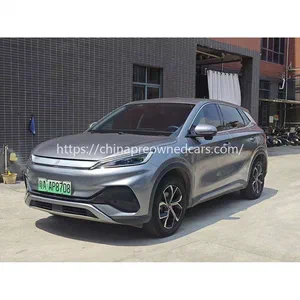
The BYD Atto 3 is a compact electric SUV worth evaluating for buyers sourcing used vehicles from China for Ghana, Nigeria, Kenya, Uganda and Tanzania. Its electric powertrain removes petrol consumption from daily operation, but battery condition, charging access and import eligibility determine whether a particular unit makes commercial sense. Sourcing decisions should begin with the vehicle’s documented condition and destination requirements, not its advertised price.
Powertrain and export suitability
The BYD Atto 3 uses a fully electric powertrain, with a front-mounted electric motor driving the front wheels. It is not a hybrid, so there is no petrol engine or conventional fuel economy figure to compare. Buyers should assess energy consumption, usable battery capacity and charging performance instead. Battery capacity and rated range vary by version and model year, so the exact specification must be confirmed against the vehicle identification number (VIN), build information and manufacturer documentation.
Depending on the version, the Atto 3 uses BYD Blade battery technology based on lithium iron phosphate chemistry. This is relevant when evaluating battery condition, but battery chemistry alone does not establish the remaining range or state of health of a used vehicle. Obtain a diagnostic report showing available battery health data, charging faults and relevant battery-management-system alerts. A road test and charging test should supplement the report.

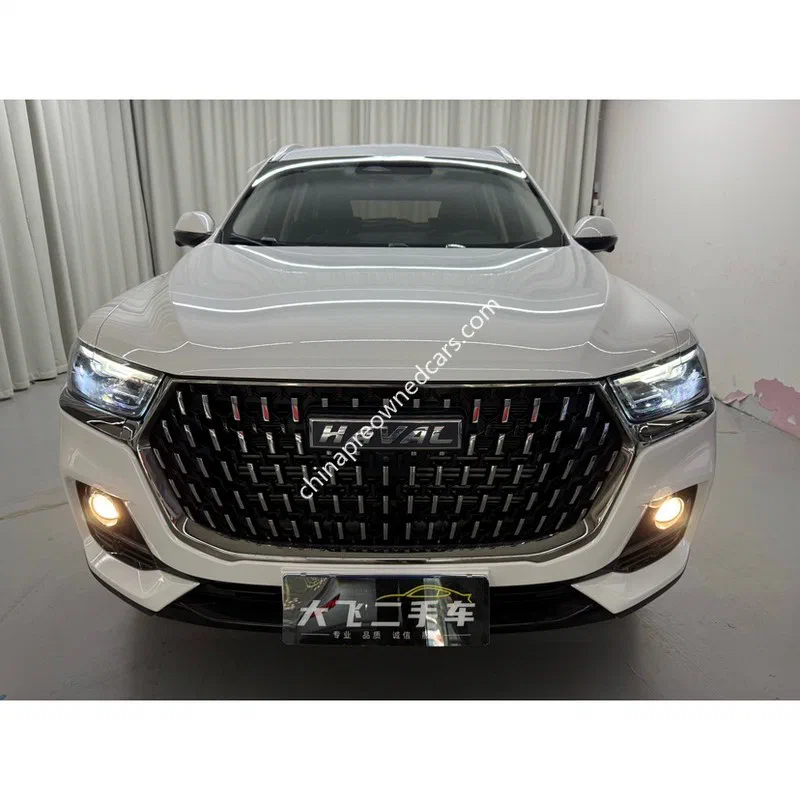
The vehicle’s compact SUV format can suit urban travel and routine business use. However, road conditions vary across the target markets. Inspect the tyres, suspension, underbody, wheel alignment and ground clearance before committing to a unit intended for roads with potholes or rough surfaces. The Atto 3 is front-wheel drive, not a four-wheel-drive SUV. Buyers requiring regular operation on difficult terrain should compare its capabilities with petrol-powered alternatives such as the Chery Tiggo 7 Plus or Haval H6.
Sourcing and condition assessment
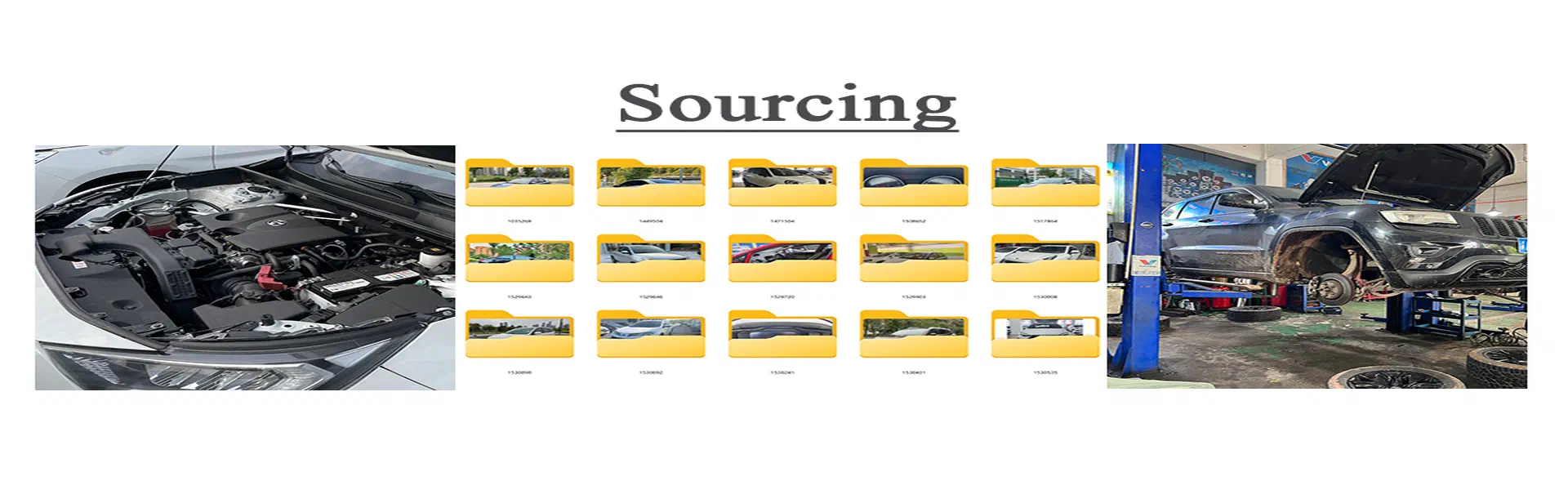
Used Atto 3 vehicles can be sourced through dealers or vehicle auctions in China. Dealer sourcing generally allows direct discussion of maintenance records, prior ownership and inspection arrangements. Auction sourcing can widen the available selection, but listing photographs and auction grades are not substitutes for an independent examination. Buyers should establish who can inspect the vehicle before bidding or paying a deposit, and whether the seller permits diagnostic testing.
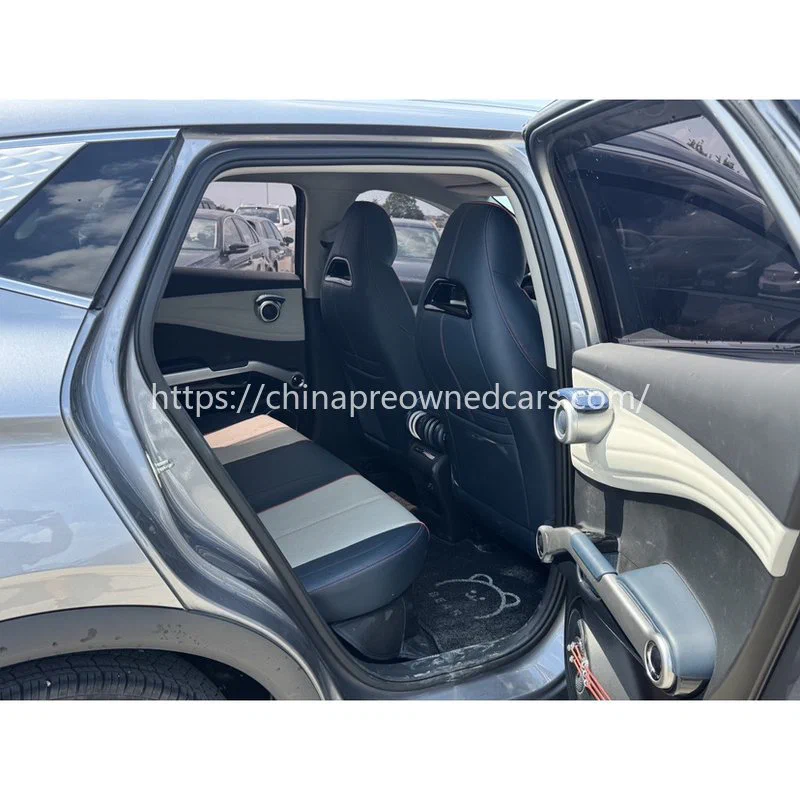
A useful condition assessment separates cosmetic wear from mechanical and electrical risk. The inspection should cover body panels, paint differences, structural repairs, airbag deployment, interior wear, tyres, suspension and braking components. Check the odometer against available service records and electronic control-unit data where accessible. Mileage alone is not proof of condition: a low-mileage vehicle may have accident damage, prolonged storage or charging problems.
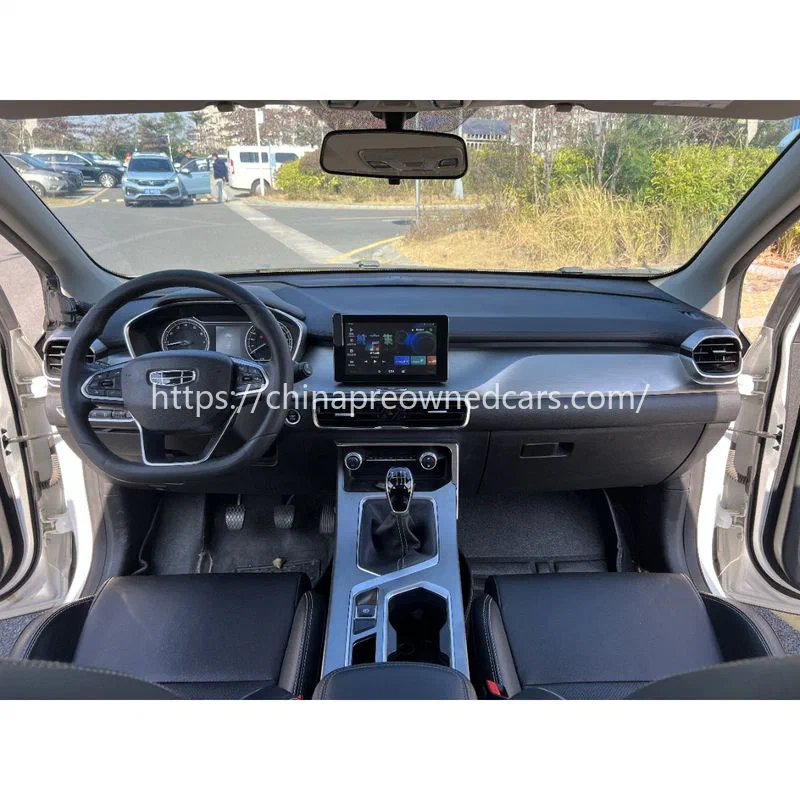
For an electric SUV, the inspection must go further. Request battery state-of-health information where supported, confirm that the high-voltage system has no unresolved faults, and test the charging port and onboard charging functions. Check the operation of the air conditioning, driver-assistance systems, infotainment, cameras and other electronic equipment. Record any defects in the purchase agreement, along with the agreed repair responsibility. A condition grade should describe observable findings and disclosed history, not guarantee future reliability.
The search phrase best used car deals under $10000 may help buyers compare listings, but a low advertised price does not establish the final export cost or suitability of an Atto 3. The purchase budget should account for inspection, inland transport, export processing, freight, insurance where arranged, destination duties and local registration. If a listing falls well below comparable vehicles, verify its identity, ownership documents, damage history and battery condition before treating the difference as a saving.
Import checks, shipping and payment
Drive side is an early screening requirement. Most Chinese domestic-market vehicles are left-hand drive, including many Atto 3 units offered for export. Ghana, Nigeria, Kenya, Uganda and Tanzania generally operate right-hand-drive road systems, so left-hand-drive vehicle eligibility must be checked carefully with the relevant destination authorities before purchase. Do not assume that a vehicle can be registered simply because an exporter can ship it. Confirm current rules on steering position, vehicle age, emissions where applicable, electric-vehicle classification and roadworthiness.
Although the Atto 3 has no tailpipe emissions during driving, that does not automatically exempt it from import procedures or registration requirements. Buyers should also confirm the availability of compatible charging equipment and the local electricity supply arrangements. Charging connector compatibility, voltage, charging speed and access to public or private charging can affect operating costs. Local repair capacity matters too: identify technicians able to work on high-voltage systems and establish whether suitable replacement parts can be obtained before choosing the vehicle for a fleet.
China-side export arrangements should be agreed in writing. The process generally involves vehicle verification, pre-shipment inspection, export licensing, customs declaration and preparation of the required commercial and transport documents. The document set may include the sales invoice, vehicle ownership or registration records, export documentation and bill of lading, depending on the transaction and applicable procedures. The buyer and exporter should agree which party handles each step and who pays associated charges.
RoRo shipping transports the vehicle aboard a vessel designed to carry wheeled cargo. Container shipping places the vehicle inside a freight container and may suit shipments requiring enclosed transport or consolidation, subject to carrier rules and cost. Electric vehicles require particular attention to battery declarations, carrier acceptance and applicable dangerous-goods procedures. Before payment, agree on the vehicle specification, inspection findings, payment milestones, shipping method and responsibility for discrepancies. Confirm the destination port, expected shipping schedule and after-sales contact arrangements in writing.
FAQ
Q: What battery information should a buyer request for a used BYD Atto 3?
A: Request available battery state-of-health data, diagnostic fault records and evidence that charging functions have been tested. Compare the reported results with the vehicle’s original specification and have an independent technician assess any unexplained faults.
Q: Can a left-hand-drive BYD Atto 3 be imported into Ghana, Nigeria, Kenya, Uganda or Tanzania?
A: Eligibility depends on current national import and registration rules, including steering position and vehicle classification. Confirm acceptance with the relevant authority or a qualified local customs agent before paying for the vehicle.
Q: Is dealer sourcing better than buying at auction in China?
A: Dealers may offer easier access to vehicle records and pre-purchase inspections, while auctions can provide more sourcing options but may involve greater uncertainty. In either case, verify the VIN, mileage evidence, accident history, battery condition and written payment terms before committing.