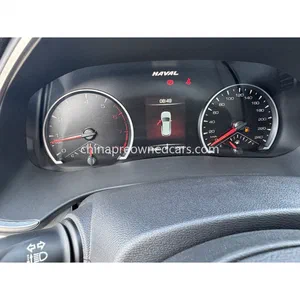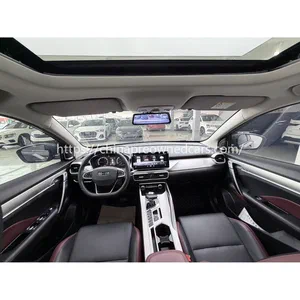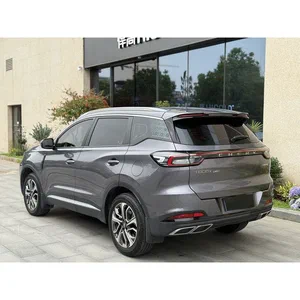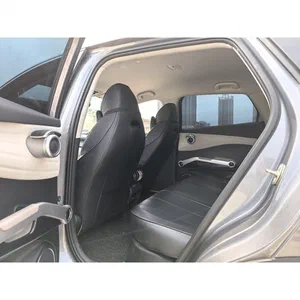
Chinese-made SUVs, particularly left-hand drive models, are gaining traction in African markets due to their compatibility with regional road networks and import regulations. This article examines why these vehicles, such as the BYD Atto 3 and Haval H6, are well-suited for countries like Ghana, Nigeria, and Kenya, and what buyers should consider when sourcing them from China.
Compatibility with African Road Networks and Regulations
Most African countries, including Ghana, Nigeria, and Kenya, drive on the right side of the road, making left-hand drive SUVs a natural fit. Chinese inventory, predominantly left-hand drive, aligns well with this requirement. However, buyers must also account for other factors such as vehicle age limits, emission standards, and roadworthiness rules, which vary by country. For example, some nations impose restrictions on vehicle age or require compliance with specific Euro emission standards. These regulations need to be verified at the time of purchase to avoid delays or rejections during importation.
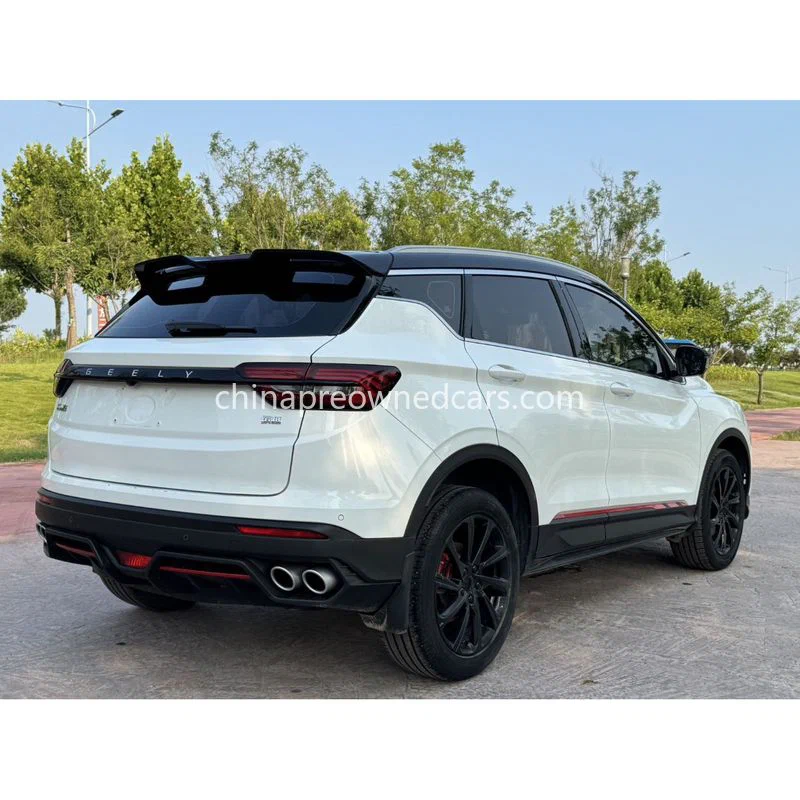
Additionally, African road conditions often include a mix of urban highways and unpaved rural routes. Chinese SUVs like the Chery Tiggo 8 Pro and Geely Coolray are engineered with ground clearance, suspension systems, and durability features that make them adaptable for such environments. Buyers sourcing vehicles for these markets should prioritize models with robust undercarriages and reliable performance under varying road and climate conditions.
The Role of Pre-Shipment Inspections and Export Logistics
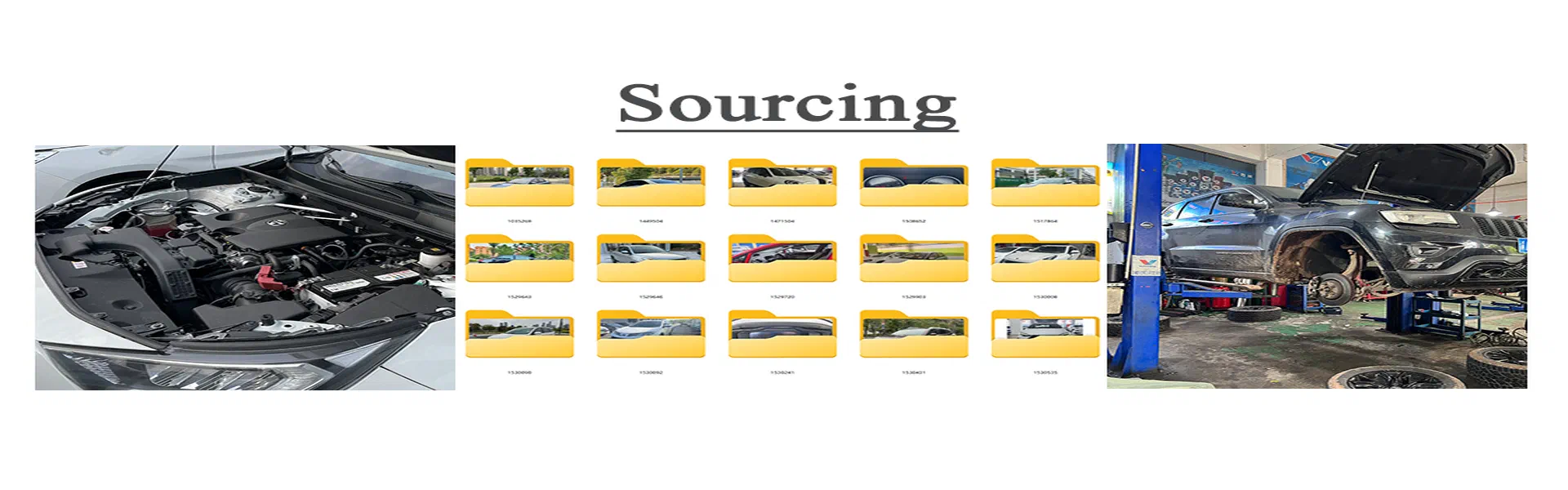
Pre-shipment inspection ensures the vehicle meets the import country’s requirements for age, emissions, and roadworthiness. This is mandatory for most African markets and is typically coordinated by the exporter. The inspection covers key areas such as VIN verification, odometer reading, and the general condition of the vehicle. Any discrepancies in these checks can result in additional costs or denied entry at the port of destination.
Shipping methods also play a significant role in the export process. Roll-on/roll-off (RoRo) shipping is a common choice for its cost-efficiency, especially for high-volume exports to African ports. However, container shipping may be preferred for buyers needing extra protection for their vehicles during transit. Buyers should work closely with their exporter to determine the most suitable method based on budget and destination port facilities.
Matching Inventory Models to African Market Needs
Chinese-brand SUVs like the BYD Atto 3 and Haval H6 offer a balance of affordability, technology, and fuel efficiency, making them attractive to African buyers. Hybrid and fully electric options are particularly appealing in urban areas where charging infrastructure is gradually improving. However, buyers in regions with limited charging facilities may prefer hybrid models over fully electric ones. Battery health is a critical factor for used EVs, and buyers should request detailed reports on the state of health (SoH) of the battery.
Fuel type also matters for combustion-engine SUVs, as diesel remains a widely available and economical option in some African markets. Buyers should take local fuel availability and maintenance expertise into account when selecting a model.
Practical Considerations for Buyers
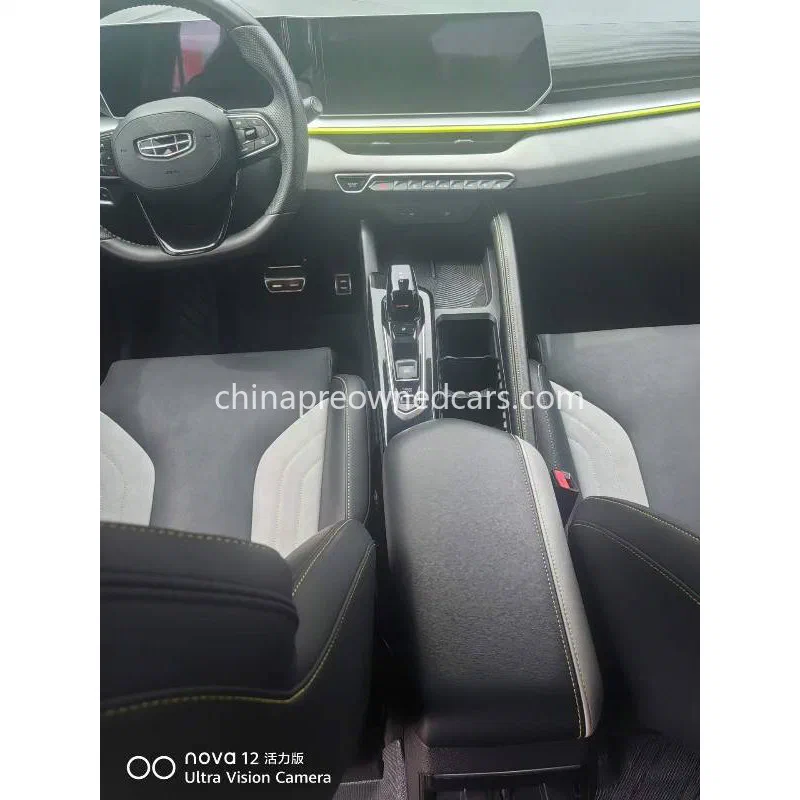
Before purchasing, buyers should verify the vehicle’s history, including mileage, previous ownership, and accident records. Exporters like chinapreownedcars.com provide condition grading for each vehicle, but independent verification is recommended for high-value purchases. Payment terms are another key factor; buyers should confirm acceptable payment methods and ensure clear communication on deposit requirements and balance payments.
Shipping lead times typically range from two to four weeks, depending on the destination port and shipping method. Buyers should also account for additional time for customs clearance and local registration. For those new to importing vehicles, working with an experienced exporter who offers end-to-end support, including documentation and after-sales service, can significantly simplify the process.
Supporting Development Goals with Sustainable Options
As African countries work toward greener energy adoption, hybrid and electric SUVs from China align with these goals. For instance, the BYD Atto 3 and Chery Tiggo 7 Plus offer energy-efficient alternatives to traditional internal combustion engine vehicles. Governments in some regions are also incentivizing the import of eco-friendly vehicles through reduced duties or tax exemptions, making new energy vehicles an increasingly viable option for both buyers and sellers.

FAQ
Q: Are all Chinese SUVs left-hand drive? A: Most Chinese domestic vehicles are left-hand drive, which suits countries that drive on the right side of the road like Ghana and Nigeria.
Q: How do I verify the battery health of a used electric SUV? A: Request a detailed battery state-of-health (SoH) report from the exporter or arrange for an independent inspection before purchase.
Q: What is the typical shipping time for SUVs from China to Africa? A: Shipping lead times generally range from two to four weeks, but this can vary based on the destination port and shipping method.