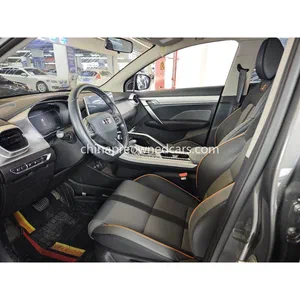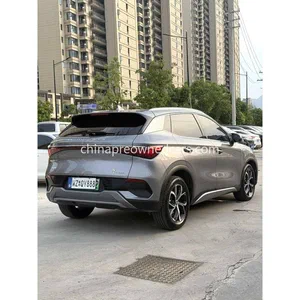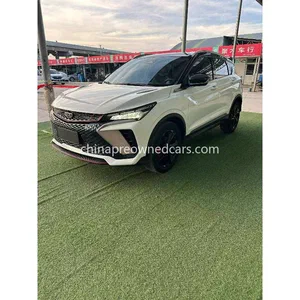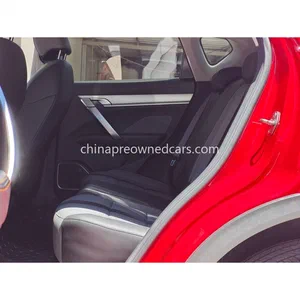
Ghanaian buyers sourcing used SUVs from China need to assess more than purchase price and vehicle specifications. Drive configuration, road conditions, fuel availability, import regulations and the quality of pre-export checks all affect whether a vehicle is suitable for local use. The BYD Atto 3, Chery Tiggo 7 Plus, Chery Tiggo 8 Pro, Geely Coolray and Haval H6 each present different considerations for buyers in Ghana.
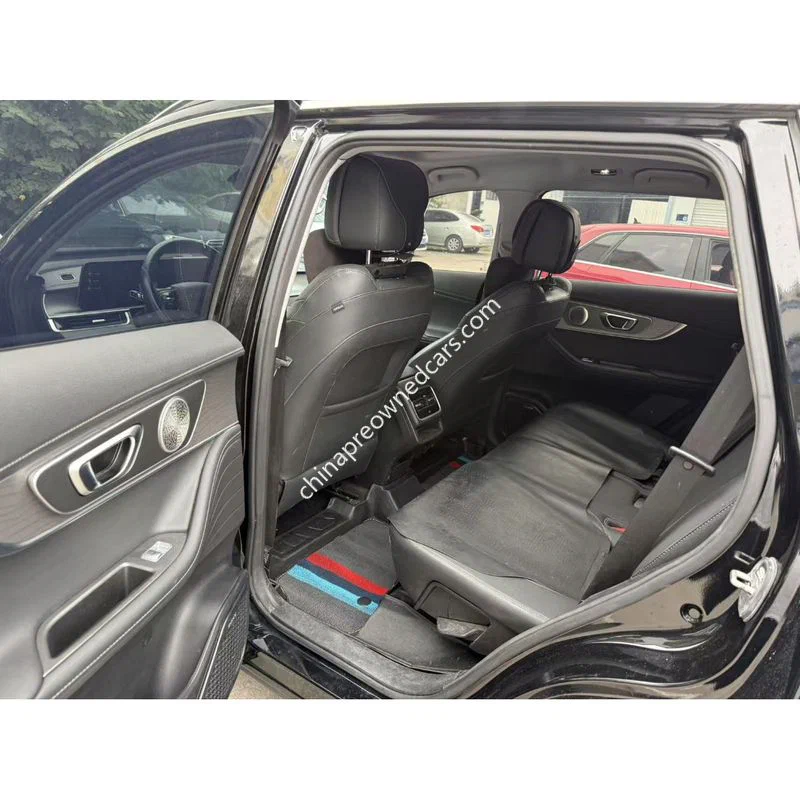
The first sourcing check should be steering position. Ghana drives on the left side of the road, so right-hand-drive vehicles are generally the appropriate configuration. Most vehicles in China’s domestic used-car market are left-hand drive (LHD). This creates an important compatibility issue for Ghanaian importers considering Chinese SUVs. A model’s availability in China does not mean every unit is suitable for Ghana. Buyers should request confirmation of steering position using current photographs, dashboard images and the vehicle identification number (VIN) before paying a deposit. The same check matters when sourcing for Nigeria, Kenya, Uganda and Tanzania, where right-hand traffic also makes LHD vehicles the usual configuration. Any exception should be checked against current local registration and import rules rather than assumed to be acceptable.
Vehicle age and emissions compliance require a separate review. Ghana’s import framework includes restrictions affecting older vehicles, while customs duties and other charges depend on the vehicle’s classification and applicable valuation rules. Importers should confirm the current age-related requirements, emissions provisions and tax treatment before selecting a unit. These checks are especially important when comparing conventional petrol SUVs with electric vehicles. The Geely Coolray, Chery Tiggo 7 Plus and Haval H6 offer conventional powertrain options, but engine specifications, fuel requirements and emissions documentation still need verification. The BYD Atto 3 is fully electric, so its suitability depends on charging access and the applicable import requirements. Buyers should obtain the vehicle’s manufacturing information, engine or motor specifications and available compliance documents before committing to a purchase.
Road conditions also influence model selection. Ghana’s urban roads, including routes through Accra and Kumasi, differ considerably from rural roads and regional connections. Potholes, uneven surfaces, seasonal rain and occasional flooding can place additional demands on suspension components, tyres, underbody protection and ground clearance. The Haval H6 and Chery Tiggo 8 Pro offer larger SUV body styles that buyers may prefer for family use and mixed road conditions. The Chery Tiggo 7 Plus provides another option for buyers seeking a medium-sized SUV, while the Geely Coolray has a more compact footprint suited to urban driving and parking. These characteristics should be assessed alongside actual ground clearance, tyre condition, suspension wear and the availability of replacement parts. A larger SUV is not automatically better on damaged roads. Its condition and maintenance history matter more than its appearance.
Powertrain selection deserves particular attention. Petrol models such as the Geely Coolray, Haval H6 and Chery Tiggo range may be more straightforward for buyers who depend on Ghana’s existing fuel distribution network. However, engine size, fuel grade requirements, transmission behaviour and maintenance records should be checked against local operating conditions. The BYD Atto 3 offers a different ownership proposition. Its electric drivetrain removes routine engine oil changes, but battery condition becomes a central purchasing consideration. Buyers should request a battery state-of-health assessment, charging-system inspection and available diagnostic records. Charging access should be considered at the intended residence, workplace or regular travel destinations. Ghana’s charging network is developing, and buyers operating outside major urban areas should establish a practical charging plan before importing an electric SUV. Battery transport and shipping documentation also require attention because EVs have additional handling considerations compared with combustion vehicles.

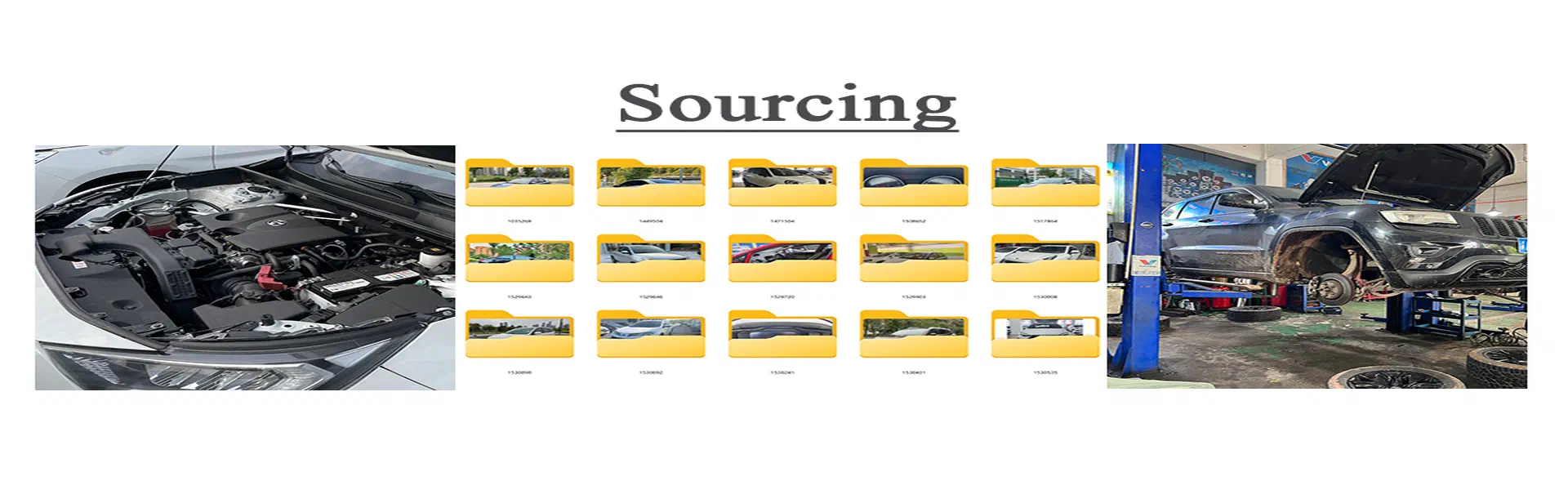
The sourcing channel affects the amount of information available before purchase. Dealer sourcing can provide a more direct route to vehicle records, inspection arrangements and negotiation, while auctions may offer a wider selection but require closer scrutiny of condition descriptions and supporting evidence. Online listings and used car purchase websites are useful for initial comparisons, but listing photographs should not replace independent checks. A buyer sourcing through a Chinese exporter should request the VIN, registration information, available ownership and maintenance records, recorded mileage and details of previous repairs. Mileage should be compared with service records, interior wear, tyre condition and diagnostic information. Any gaps in the history should be treated as unresolved rather than interpreted as proof of a problem-free vehicle. Condition grading should also be defined clearly. Buyers need to know whether a grade covers exterior damage only or includes mechanical systems, accident history and structural condition.
Before payment, the inspection process should cover the vehicle’s identity, body structure, mechanical systems and road-going equipment. The VIN on the vehicle must match the export documentation. Inspectors should examine paint inconsistencies, panel alignment, signs of previous collision repairs, underbody corrosion, suspension noise, braking performance, air-conditioning operation and electronic warning systems. For electric vehicles, battery diagnostics and charging tests should be included in the inspection scope. A pre-shipment inspection should produce dated photographs and a written report identifying defects rather than relying on a general statement that the vehicle has passed inspection. Payment terms should be agreed in writing, including the deposit, balance-payment trigger, inspection arrangements and procedure if the delivered vehicle differs materially from the agreed specification. Buyers should also establish who bears responsibility for export licensing, customs declaration, documentation and shipping arrangements. A clear allocation of these responsibilities reduces disputes before the vehicle leaves China.
Shipping and destination clearance complete the sourcing process. Chinese used vehicle exports require the relevant export licensing, customs declaration and pre-shipment inspection before dispatch. Vehicles can be transported to Ghana by roll-on/roll-off (RoRo) shipping or loaded into containers. RoRo is generally suitable for vehicles that can be driven onto and off the vessel, while container shipping may offer additional protection and can be considered for certain shipment arrangements. The choice depends on vehicle dimensions, shipping schedules, cargo arrangements and the buyer’s requirements. Export documentation should be checked before departure, including the commercial invoice, vehicle identification details, shipping document and applicable customs paperwork. Ghanaian importers should independently confirm current clearance procedures, duties, taxes and registration requirements with the relevant authorities or a licensed customs agent. The same principle applies to shipments intended for Nigeria, Kenya, Uganda and Tanzania: regulations should be checked for the actual destination, not copied from another country’s import process. Buyers should also agree on the destination port, local handling responsibilities and after-sales contact arrangements before final payment.
FAQ
Q: Are Chinese used SUVs with left-hand drive suitable for import into Ghana?
A: Ghana generally requires right-hand-drive vehicles because traffic keeps to the left. Most Chinese domestic vehicles are LHD, so buyers should verify current registration and import rules before purchasing.
Q: What should Ghanaian buyers check before importing a used electric SUV from China?
A: Buyers should verify battery state of health, charging-system condition, diagnostic records and local charging access. They should also confirm EV transport requirements, export documentation and Ghana’s current import regulations.