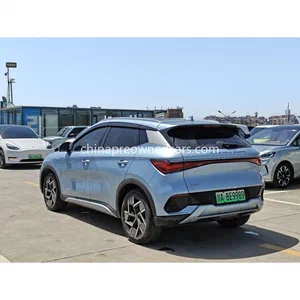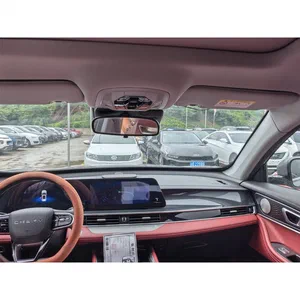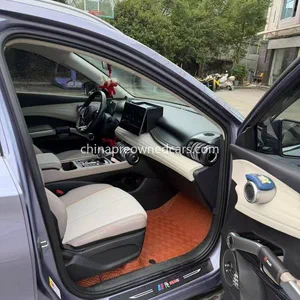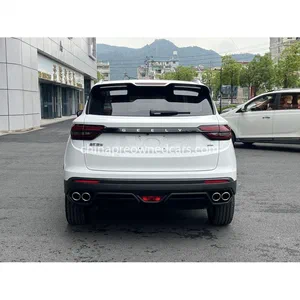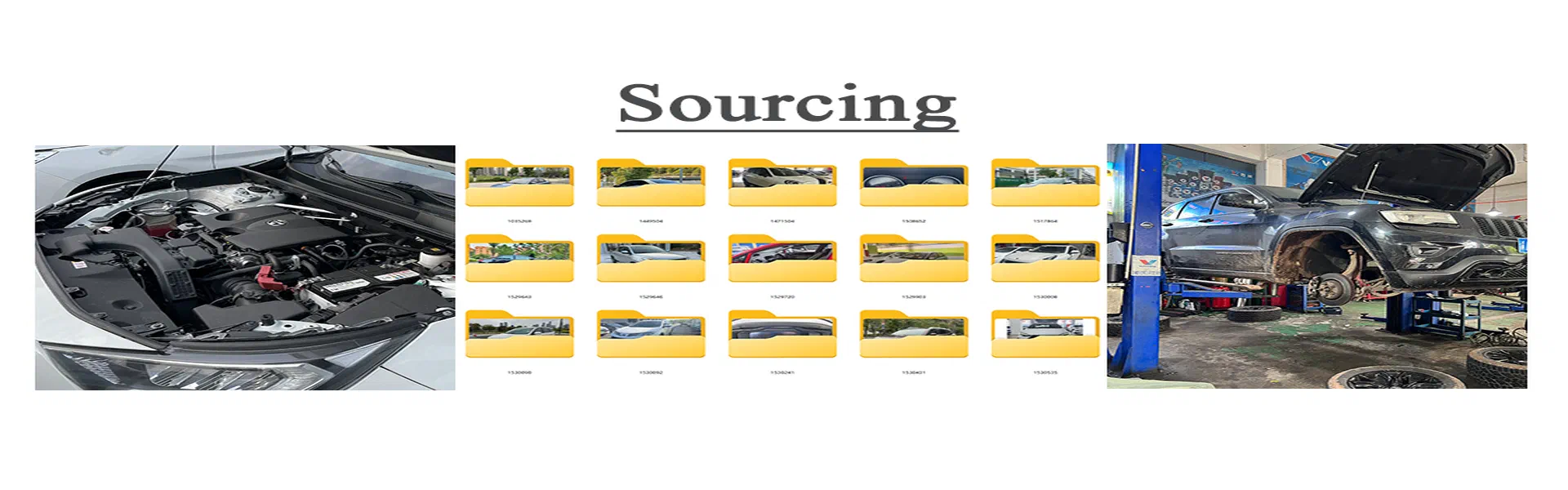
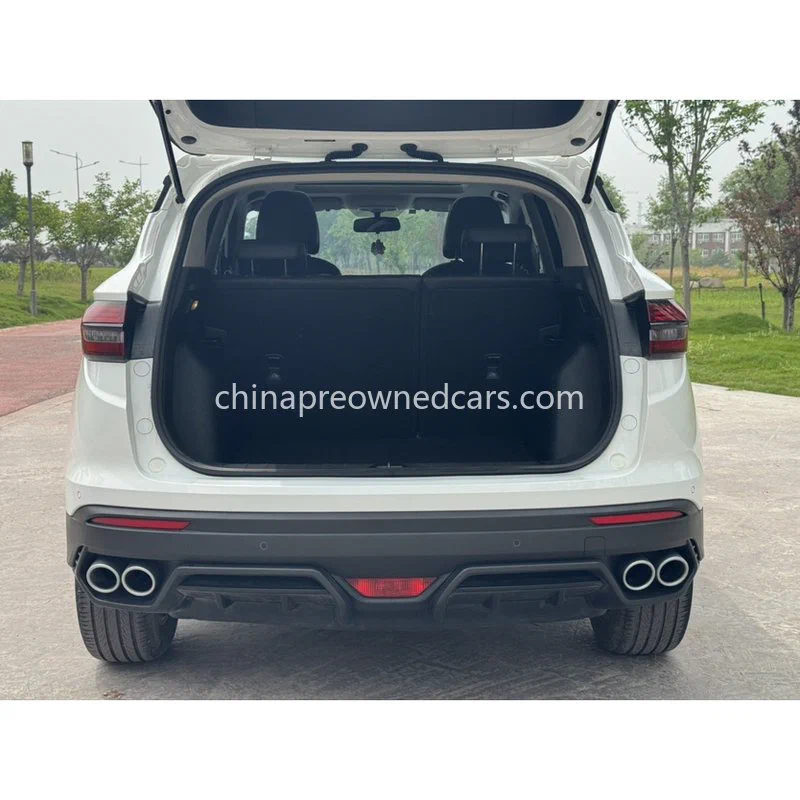
East African countries such as Kenya, Uganda, and Tanzania present unique challenges and opportunities for importing hybrid SUVs. Buyers in these markets must consider not only vehicle performance but also compliance with local regulations and suitability for diverse road conditions. This article examines key factors for sourcing used pre owned cars from China, focusing on hybrid SUVs like the BYD Atto 3, Chery Tiggo 7 Plus, and Haval H6, and their potential fit for East African markets.
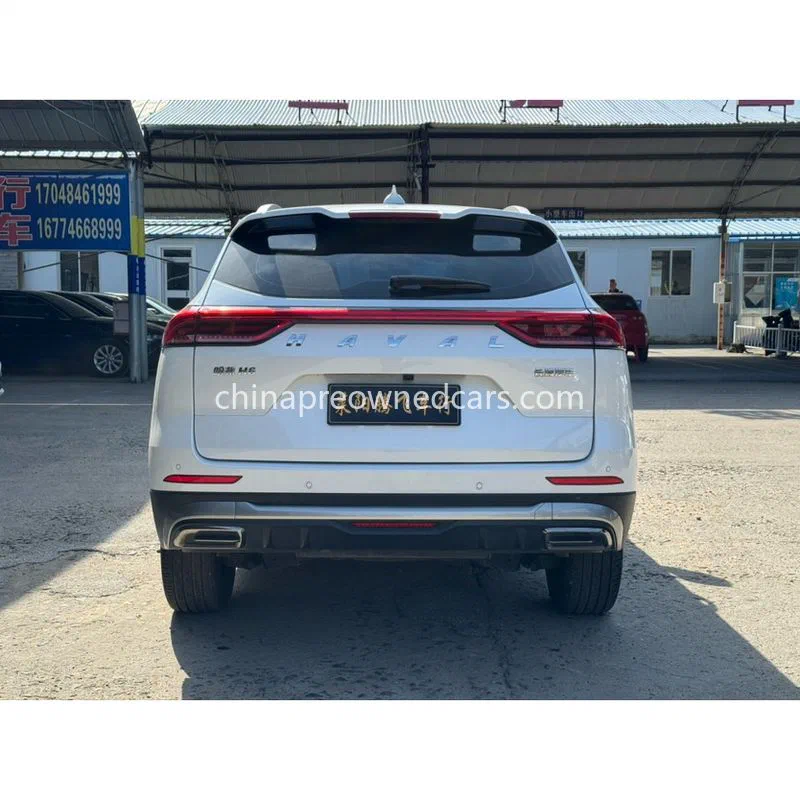
Road conditions across East Africa vary significantly, from urban tarmacs to rural dirt tracks. Hybrid SUVs with a higher ground clearance, durable suspension systems, and efficient fuel or energy consumption are better equipped to handle these diverse terrains. Models like the Haval H6, which offers robust build quality and modern hybrid technology, align well with these needs. However, buyers should also verify the state of each vehicle’s tires, suspension, and undercarriage during pre-shipment inspections, as these components are critical for navigating East African roads. Additionally, with left-hand-drive (LHD) vehicles dominating China’s domestic market, buyers in Kenya and Tanzania—both right-hand-drive (RHD) countries—may need to confirm if LHD vehicles are permissible or consider sourcing RHD-compatible units.


Regulatory requirements also play a crucial role. Import rules in East African countries often include restrictions on vehicle age, emission standards, and roadworthiness. For instance, while newer hybrid SUVs like the BYD Atto 3 meet global emission standards, older units or those with unclear maintenance histories may face challenges at customs. Buyers are advised to check current regulations for their specific market and ensure that the exporter provides thorough pre-shipment inspections and valid certification. For hybrid SUVs, battery health is another critical factor. Understanding the state-of-health (SoH) of the battery and confirming proper packaging for its safe transport is essential, given the logistics complexities of shipping new energy vehicles.
Finally, infrastructure considerations such as fuel availability and charging stations impact the practicality of hybrid SUVs in East Africa. While countries like Kenya are gradually expanding their electric vehicle (EV) charging networks, hybrids that combine conventional fuel engines with battery technology, such as the Chery Tiggo 7 Plus, offer a practical bridge. Buyers should weigh the costs of maintaining hybrid systems and ensure access to compatible maintenance services locally. Payment terms, shipping lead times, and after-sales support from the exporter further influence the overall sourcing experience. Clear communication with the exporter about these aspects can mitigate potential delays or misunderstandings.
FAQ
Q: Are left-hand-drive vehicles allowed in Kenya? A: Kenya primarily uses right-hand-drive vehicles, but certain exceptions may apply. Confirm regulations with local authorities before importing.
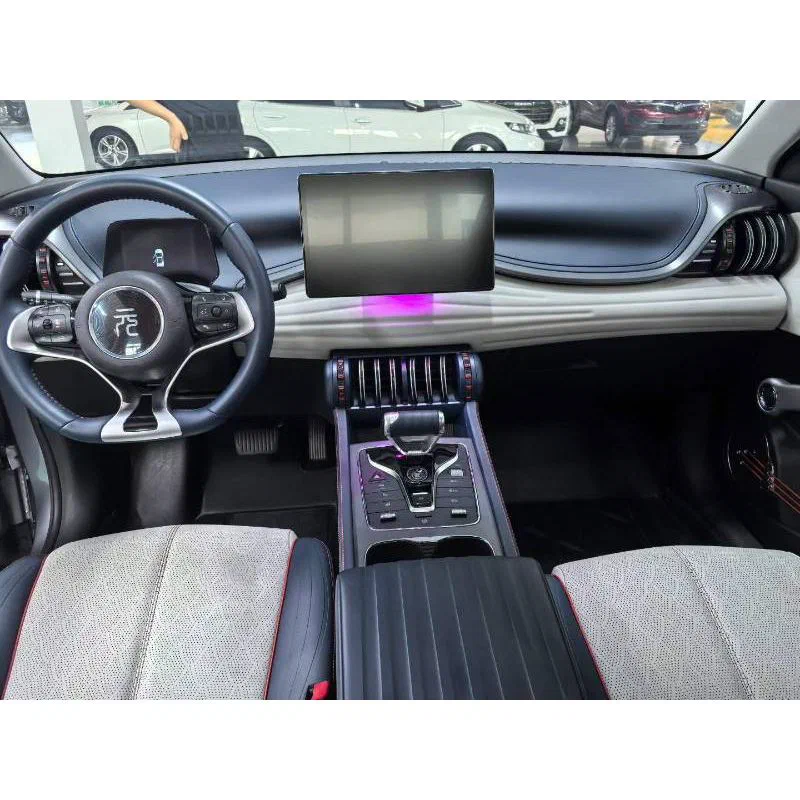
Q: How can I verify battery health for a used hybrid SUV? A: Request a battery state-of-health (SoH) report from the exporter and ensure it is part of the pre-shipment inspection.