The riskiest thing about sourcing from China is not fraud. It is buying a car whose provenance nobody in the chain can actually describe, from a seller who never claimed to know.
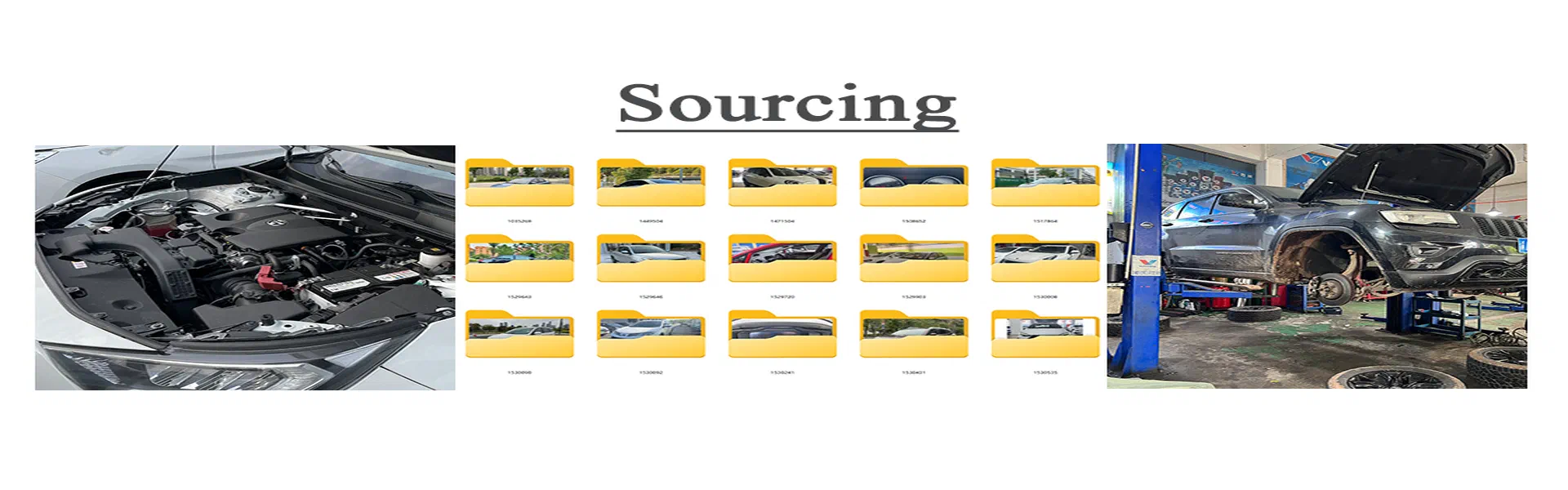
Three kinds of stock circulate, they carry different risks, and the first job is identifying which one is in front of you.
The three sources
Auction stock. Volume, speed, low prices, thin information. Condition is described in a sheet you did not commission, and you are bidding against people who read those sheets for a living. Fine if you can inspect independently before payment clears. Dangerous if you cannot.
Dealer stock. A trade seller has already bought the car, which means they have an opinion about it and a margin in it. Better information, higher price, and a counterparty who can be asked questions and held to answers.
Platform stock. Online listings with standardised inspection reports. The information is more consistent in format, which is not the same as more accurate. The report is only as good as the body that produced it.
None of the three is inherently correct. What matters is knowing which you are buying and applying the checks that fit.
The five checks that actually matter
Odometer verification, independently. Not the number on the dash. Verification against service records and the vehicle’s own electronic history. Mileage fraud is the most common misrepresentation in every used market on earth and China is not an exception.

Structural history. Chassis and safety-cage damage — broken, cracked, bent or twisted — is now explicitly prohibited for import into Ghana under GSA Public Notice 26/09. It has always been the defect most worth avoiding and is now a border matter.
Flood and fire. Also on Ghana’s prohibited list from 1 October 2026. Both are detectable by a competent inspection and close to invisible in photographs.
Gearbox under load. The DCT gearbox is the recurring weak point across the popular Chery and Haval models. It has to be tested driving, not idling.
Paperwork chain. Can the seller produce de-registration documents proving the car was lawfully taken off the Chinese register for export? If that is vague, stop.
Why the inspection has to be third-party
A seller’s own assessment of their own car is not evidence, however honest the seller. The value of an independent appraisal is that the appraiser has no position in the transaction.
Ghana has now made this structural rather than optional. From 1 October 2026, each used vehicle unit must be inspected in the country of origin by a GSA-approved third-party inspection body, and a Certificate of Conformance issued per unit before shipment. Vehicles that fail do not enter.
Read that as a business advantage rather than a burden. It means the market is moving toward the standard careful importers already applied voluntarily, and away from sellers who relied on buyers not looking.
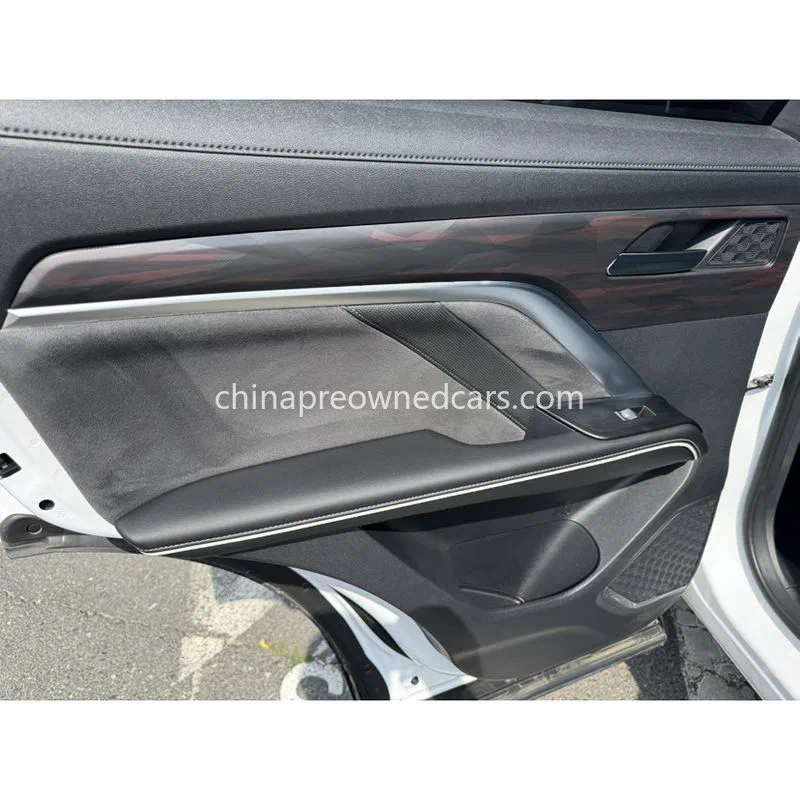
Every unit we export carries an independent third-party inspection report from a professional Chinese vehicle appraisal agency. That is not a differentiator we invented — it is the minimum a serious buyer should require from anybody.
Structuring payment so you are not carrying everything
The common failure is paying in full against photographs.
Sensible structure: a deposit to secure the vehicle, the balance against documented inspection results and shipping documents. What you are buying with that structure is the right to walk away after the inspection tells you something the listing did not.
If a seller refuses any staging at all, that refusal is information about the seller.
What the Chinese side now requires
Chinese export rules tightened from 1 January 2026. Under the notice issued by the Ministry of Commerce with three other ministries on 11 November 2025, vehicles applying for export within 180 days of first registration require a manufacturer-issued after-sales service confirmation letter, specifying destination country, vehicle details and service network information, stamped by the manufacturer. Without it, no export licence.
Export licence details — brand, model, registration date, transfer-for-export date — must also match the vehicle registration certificate exactly.
For you as a buyer this is useful leverage. An exporter who can navigate that framework is licensed, monitored and traceable. One who offers to work around it is telling you what kind of counterparty they are.
Common questions
Q: Is it safe to buy used cars from China? A: As safe as your verification process. Independent inspection before final payment, verified odometer, and documented de-registration paperwork remove most of the risk.
Q: Auction or dealer stock? A: Auction for price if you can inspect independently. Dealer for information and recourse. Never auction stock bought sight-unseen with full prepayment.
Q: What should a real inspection cover? A: Odometer verification, structural integrity, flood and fire evidence, paint and panel history, and gearbox behaviour under load — reported in writing.
Q: Should I pay the full amount upfront? A: No. Stage payment so the balance follows inspection results and shipping documents.