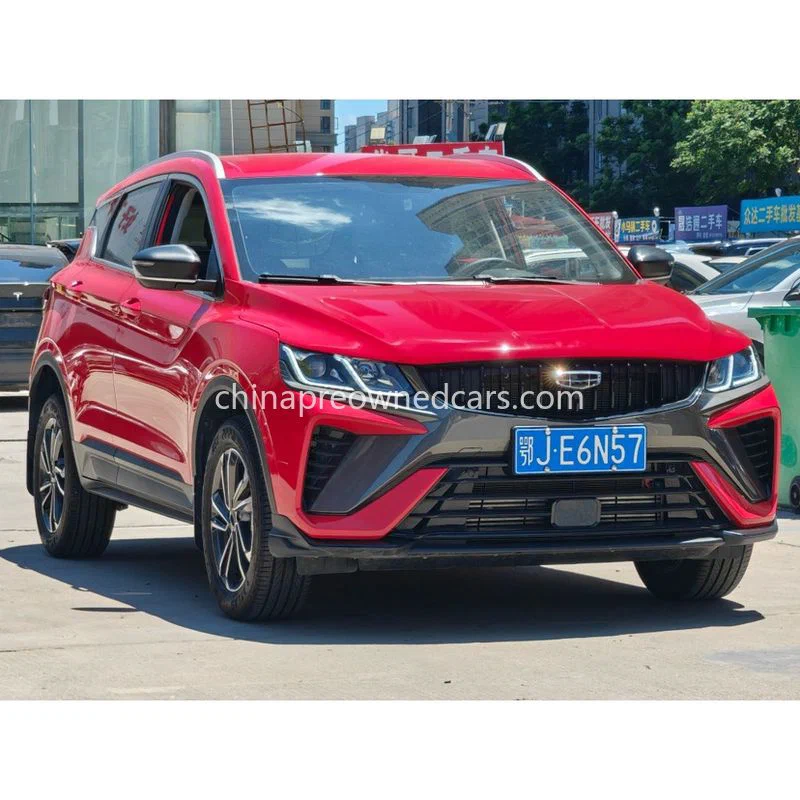
Vehicle condition grades give export buyers a starting point for comparing used cars sourced from China, but a grade alone cannot establish a vehicle’s mechanical health or service history. Buyers should understand how cosmetic condition, mileage, maintenance records and inspection findings are assessed before agreeing to purchase. This is particularly important when sourcing vehicles for export to Ghana, Nigeria, Kenya, Uganda and Tanzania.
Understanding Vehicle Condition Grades
Used vehicle grading generally considers exterior appearance, interior wear, mechanical condition and evidence of previous repairs. Although grading systems differ between dealers, auctions and inspection companies, most use categories such as Grade A, B and C or numerical scores to describe the vehicle’s overall presentation. These labels are not universal standards. A Grade A vehicle from one supplier may not meet the same criteria as a Grade A vehicle from another.
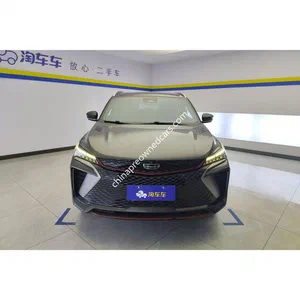
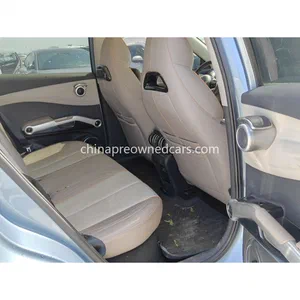
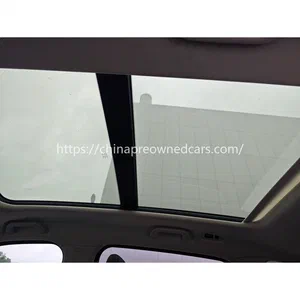
Cosmetic grading covers visible defects. Inspectors examine paint condition, scratches, dents, corrosion, glass, lighting units, seat upholstery, dashboard surfaces and interior fittings. Minor marks are common on previously owned vehicles. More significant damage, mismatched paint or uneven body panel gaps deserve closer examination because they may indicate previous collision repairs. Buyers should request photographs of affected areas rather than relying exclusively on the stated grade.
Mechanical health requires a separate assessment. The engine, transmission, suspension, steering, braking system, cooling system and electrical components should be checked according to the vehicle’s powertrain. A road test can help identify unusual noises, vibration, delayed gear changes and braking problems. However, a short test cannot establish long-term reliability or reveal every intermittent fault. Diagnostic scans and workshop inspections provide additional evidence, but their findings remain limited to the systems and conditions tested.
Mileage is another important grading consideration, although it should never be treated as a standalone measure of quality. Suppliers may classify vehicles into low, medium and high mileage bands based on their sourcing criteria. Buyers should compare the odometer reading with service invoices, maintenance records and available electronic control unit data. Unexplained gaps between recorded mileage and vehicle wear require investigation. A low reading does not automatically indicate better condition, particularly when maintenance records are incomplete.
Sourcing and Verifying Export-Grade Vehicles
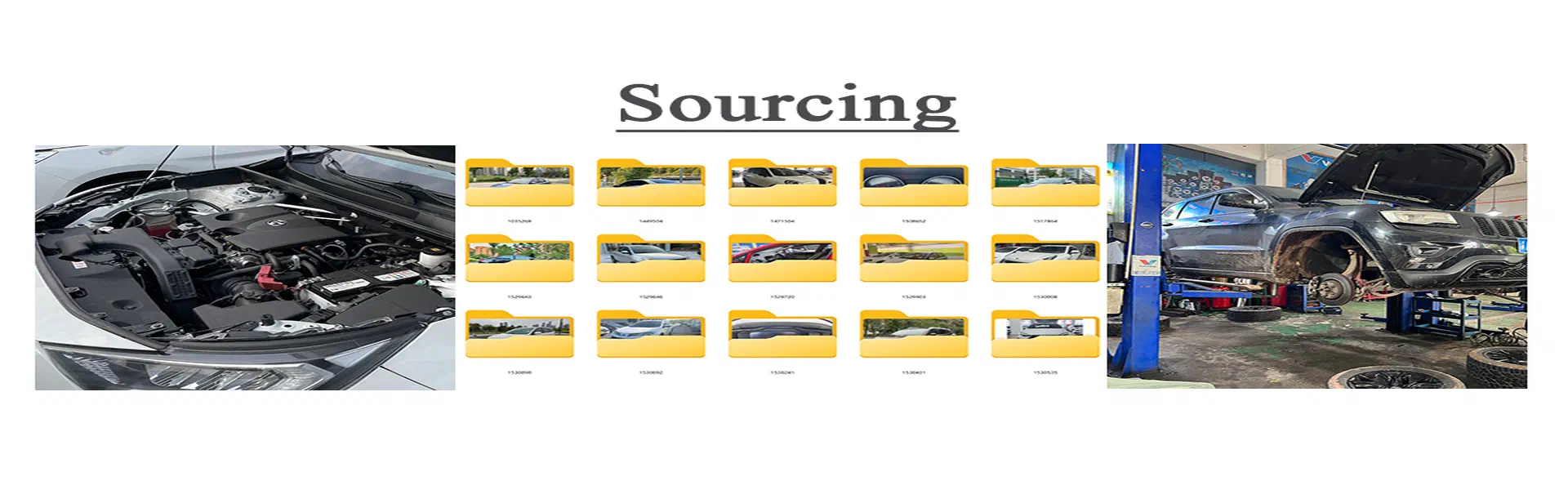
The sourcing channel affects the information available to buyers. Dealer-sourced vehicles may come with more detailed preparation records and an opportunity for additional inspection before purchase. Auction vehicles can offer a wider selection, but buyers may have less access to maintenance documentation, previous ownership details or extended road testing. Auction condition sheets should therefore be treated as preliminary evidence rather than a complete mechanical assessment.
The term export-grade describes a vehicle selected and prepared for overseas sale. Dealer-grade is similarly broad and does not represent a universally recognized certification. In practice, buyers should establish exactly what the supplier includes in the description. This may cover acceptable exterior condition, operational components, document availability and completion of a pre-shipment inspection. The agreement should identify excluded defects and any repairs expected before dispatch.

For Chinese-brand SUVs such as the BYD Atto 3, Chery Tiggo 7 Plus, Chery Tiggo 8 Pro, Geely Coolray and Haval H6, inspection requirements depend partly on the powertrain. Petrol and hybrid models require checks of their combustion engines, transmissions and associated electrical systems. The BYD Atto 3 requires particular attention to battery condition, charging operation, diagnostic faults and available battery state-of-health information. A dashboard battery estimate is not equivalent to an independent battery assessment. Buyers should request the diagnostic method, test conditions and report date.
A useful inspection report should identify the vehicle by VIN and record its mileage, exterior defects, interior condition, mechanical findings, diagnostic results and photographs. Buyers should also verify ownership and available service documentation against the VIN. A report cannot guarantee future performance, confirm every previous repair or prove that an undocumented accident never occurred. Its value depends on the inspector’s scope, equipment and independence. Where possible, arrange an independent inspection rather than relying solely on the seller’s description.
Before payment, confirm the commercial terms in writing. The purchase agreement should specify the vehicle identity, agreed condition, included inspection work, payment stages and responsibility for any repairs identified before shipment. Buyers searching for the best used auto dealers should assess documentation practices and inspection transparency rather than relying on advertising language or grading labels. Export preparation also requires attention to licensing, customs declarations and pre-shipment inspection requirements in China. Shipping may be arranged by RoRo or container, depending on the vehicle and shipment arrangement.
Condition assessment must continue beyond the purchase decision. Buyers in Ghana, Nigeria, Kenya, Uganda and Tanzania should confirm current destination requirements for vehicle age, emissions, roadworthiness and left-hand-drive configuration before committing funds. Most Chinese domestic vehicles are left-hand drive, which can restrict their suitability for markets requiring right-hand-drive vehicles. Shipping damage, battery handling for EVs and the availability of compatible diagnostic or repair support should also be considered. A clear record of the vehicle’s condition before loading helps distinguish pre-existing defects from damage arising during transport.
FAQ
Q: Does a Grade A used car guarantee good mechanical condition?
A: No. Grade A usually describes a vehicle’s condition under a particular grading system. Mechanical inspection and diagnostic checks are still necessary.
Q: What documents should buyers request before purchasing a used car from China?
A: Buyers should request the VIN, available service history, condition report, inspection photographs and ownership documentation. Export documentation and customs paperwork should also be confirmed as part of the transaction.
Q: Is export-grade the same as certified pre-owned?
A: No. Export-grade is a general trade description, not a universal certification. Buyers should request the inspection criteria and written evidence supporting the supplier’s condition assessment.