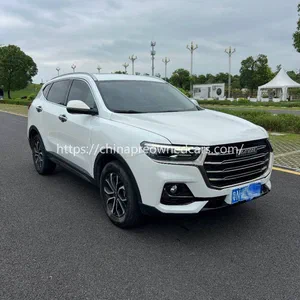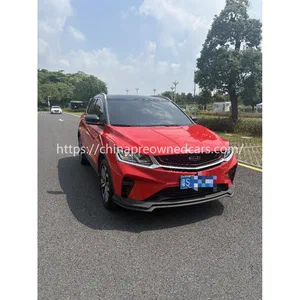
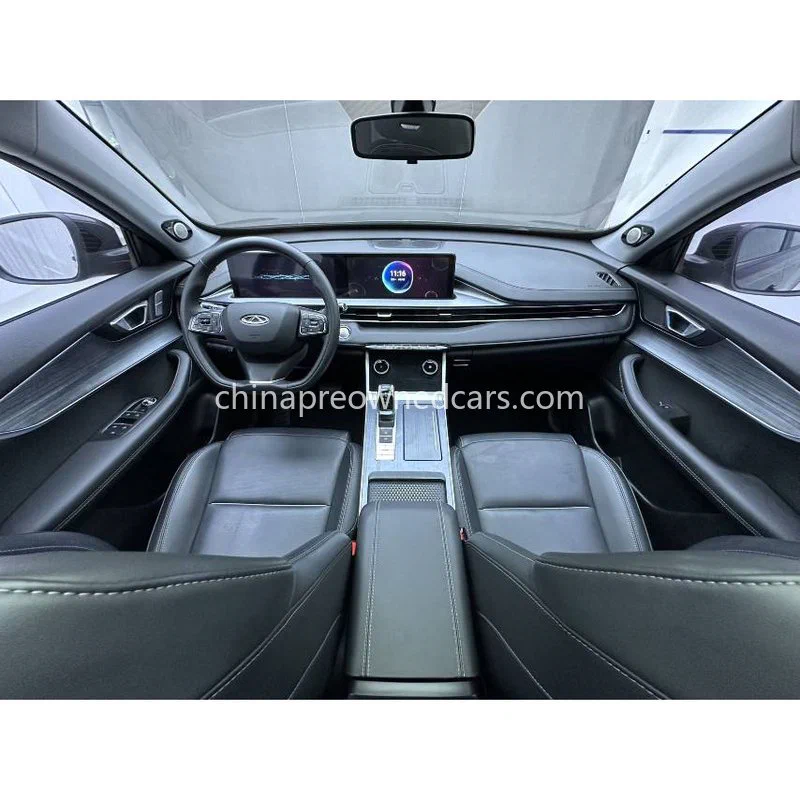
A purchase of used vehicles under 20k requires more than comparing the advertised price with the available budget. Overseas buyers need to verify the vehicle’s actual condition, confirm the exporter’s documentation process, and calculate the costs of shipping, import clearance, and any work required after arrival. The checks below focus on practical decisions for buyers importing Chinese-brand SUVs and electric vehicles into Ghana, Nigeria, Kenya, Uganda, and Tanzania.
1. Verify mileage, service history, accident record, and VIN
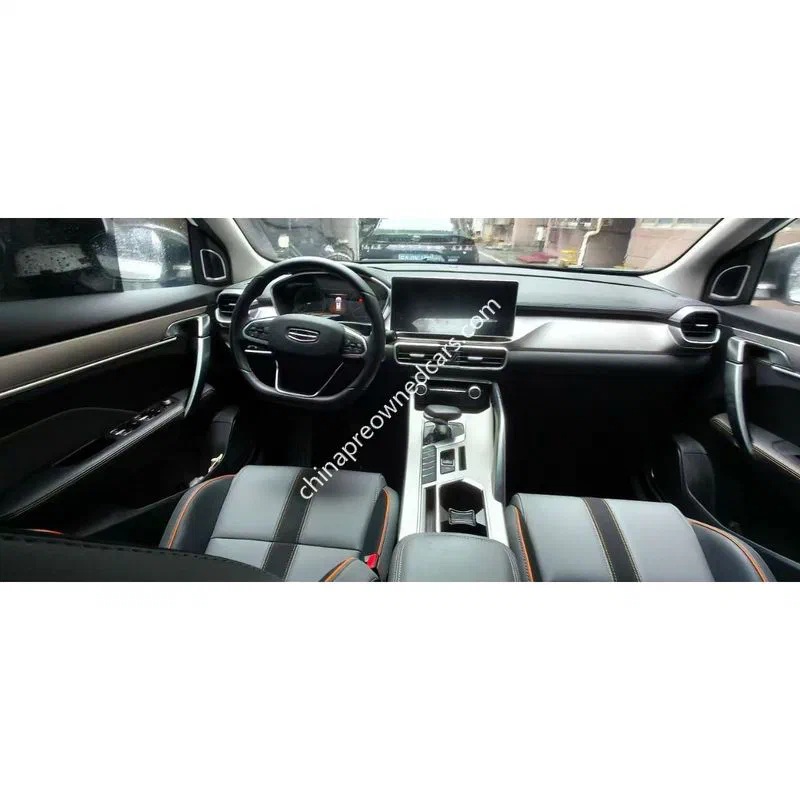
Mileage is a starting point, not proof of condition. Ask for clear photographs of the odometer, dashboard warning lights, seats, steering wheel, pedals, tyres, and exterior panels. Compare wear across these areas with the reported distance travelled. An unusually worn interior combined with low displayed mileage deserves further investigation. Request available maintenance invoices, service records, and previous inspection documents, and check whether the recorded dates and mileage readings follow a consistent sequence.

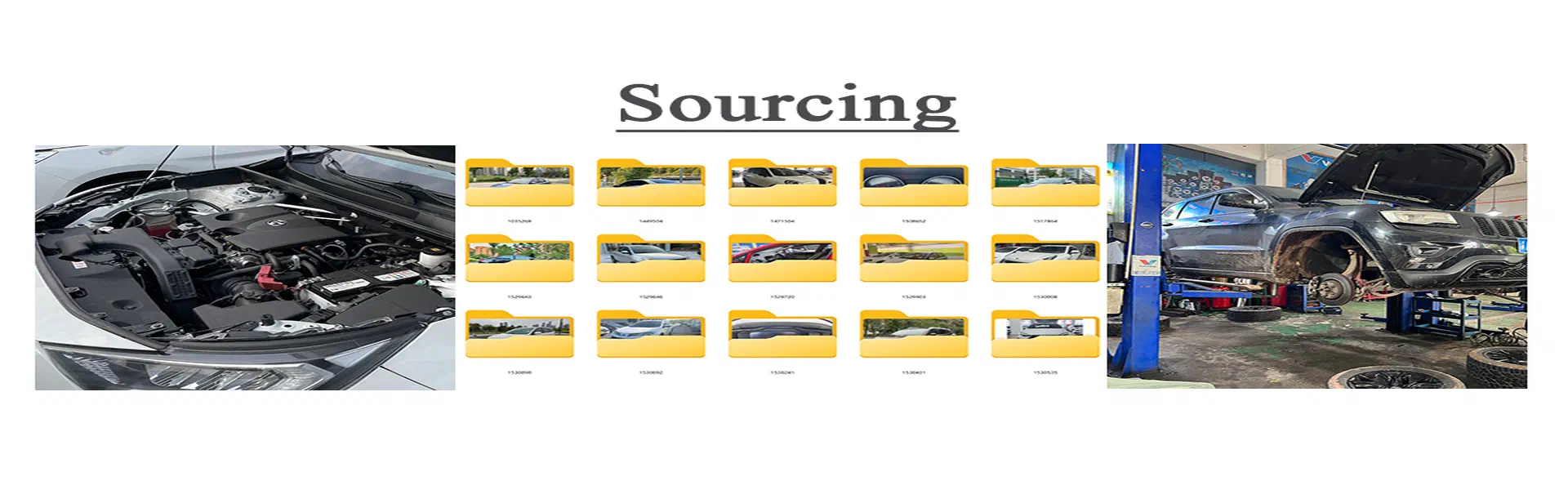
Accident history requires a separate assessment. Request photographs of the engine bay, chassis or structural areas, door pillars, panel gaps, and underside where accessible. A pre-shipment inspection should examine signs of repaired structural damage, corrosion, fluid leaks, suspension wear, and previous paintwork. Cosmetic repairs are not automatically disqualifying, but structural repairs can affect safety and future resale value. Buyers should receive written findings and photographs rather than relying on a verbal description of the vehicle’s condition.
The vehicle identification number (VIN), or the applicable chassis number, should match across the physical vehicle, registration documents, inspection records, and export paperwork. Check for altered characters, inconsistent labels, or documents that identify a different vehicle. Ask the exporter to explain any discrepancy before payment. A clean-looking vehicle with inconsistent identification records creates a documentation risk that mechanical inspection alone cannot resolve.
2. Assess mechanical condition and EV battery health
For conventional petrol SUVs and hybrids, the inspection should cover engine starting, transmission operation, cooling performance, steering, braking, suspension, air conditioning, and diagnostic fault codes. Request a cold-start video where practical, since an engine that has already warmed up may conceal starting problems. For hybrids, check the combustion engine and hybrid system separately, including warning messages and available diagnostic results. Models such as the Chery Tiggo 7 Plus, Chery Tiggo 8 Pro, Geely Coolray, and Haval H6 should be assessed against the specifications of the exact vehicle and powertrain, not assumptions based on the model name alone.
Electric vehicles require additional evidence. For a BYD Atto 3, request a battery state-of-health assessment if available, including the test method, recorded result, and assessment date. Ask for battery diagnostic information, charging-system checks, fault-code results, and evidence that the vehicle can charge normally. A dashboard range estimate is not a substitute for a battery-health assessment because displayed range varies with temperature, driving conditions, and recent energy consumption.
Battery condition also affects export planning. Confirm the charging connector, compatible charging equipment, and availability of suitable charging infrastructure at the destination. Ask whether the vehicle has had battery repairs, collision damage involving the battery pack, or persistent charging faults. Any known limitations should be disclosed in writing. Shipping arrangements for electric and hybrid vehicles must account for applicable carrier rules, battery condition declarations, and transport documentation where required.
3. Match the vehicle to destination rules and the total landed cost
A vehicle that can be exported from China may still be unsuitable for import into the destination country. Buyers in Ghana, Nigeria, Kenya, Uganda, and Tanzania should confirm the current requirements with the relevant customs authority, licensed clearing agent, or local regulatory body before committing funds. Rules may cover vehicle age, emissions, roadworthiness, inspection, taxes, registration eligibility, and the documents needed for clearance. These requirements can change, so an earlier shipment or another buyer’s experience is not sufficient evidence of current eligibility.
Drive side is another critical check. Most vehicles in the Chinese domestic market are left-hand drive (LHD). Confirm that the destination accepts the particular vehicle configuration and that registration is possible before purchase. Do not assume that every market accepts LHD vehicles under the same conditions. The same caution applies to emissions compliance and any restrictions affecting electric or hybrid models.
The advertised vehicle price is only one part of the budget. Obtain a written estimate covering the vehicle, inland transport in China, inspection, export handling, shipping, insurance if arranged, destination port charges, customs duties and taxes, clearing fees, and inland delivery where applicable. RoRo shipping generally involves driving eligible vehicles onto and off the vessel, while container shipping places the vehicle inside a freight container. Availability, handling requirements, cargo protection, and cost differ by shipment. Compare quotations on the same basis and confirm which charges remain payable at destination.
4. Check the exporter, payment terms, and shipping documents
An exporter should be able to explain who owns or supplies the vehicle, who receives payment, and which company handles export clearance and shipping. Request the company’s registered business details, a written quotation, a pro forma invoice, and a contract identifying the vehicle by VIN or chassis number. Verify that the beneficiary account matches the contracted business or that any alternative payment arrangement is documented and explained. Pressure to transfer funds to an unrelated personal account is a reason to pause.
Payment terms should be agreed before the order is confirmed. The contract should specify the deposit, balance-payment conditions, currency, bank charges, cancellation terms, and the documents or inspection milestones associated with each payment. Avoid paying the full balance solely on the strength of listing photographs. Where practical, arrange an independent inspection before releasing the final payment. No payment structure removes all risk, but clear contractual conditions make disputes easier to address.
Request a copy of the pre-shipment inspection findings and confirm the applicable export license arrangements, customs declaration, and supporting clearance paperwork. The final document set may also include the commercial invoice, packing list where applicable, bill of lading, and vehicle ownership or registration documents required for the transaction. The exact requirements depend on the shipment and destination. Confirm who prepares each document, who receives the originals, and whether the information matches the vehicle and purchase contract. A shipping booking alone does not establish that customs clearance is complete.
5. Anticipate delays and define after-sales responsibilities
Common problems include discrepancies between advertised and inspected condition, incomplete paperwork, unexpected destination charges, shipping schedule changes, and vehicles arriving with faults that were not adequately documented before departure. Reduce these risks by keeping dated inspection photographs, written condition findings, the signed contract, payment receipts, and all correspondence in one file. If a fault or discrepancy appears before loading, require a written explanation and agree on corrective action before authorising shipment.

Shipping lead times depend on vessel schedules, port congestion, export clearance, transshipment, and destination procedures. Ask for an estimated shipping window and clarification of the point at which the vehicle is considered handed over to the carrier. Confirm whether the quotation includes marine insurance and what exclusions or claim procedures apply. The buyer should also establish who will provide updates if the vessel schedule changes or documentation needs correction.
After-sales support needs to be defined rather than assumed. Ask whether the exporter can help source compatible parts, provide diagnostic information, or coordinate with a local workshop after arrival. For EVs, establish whether battery diagnostics and charging-system repairs can be supported locally. Any warranty, repair contribution, or post-arrival claim process should be written into the agreement, including time limits and evidence requirements. If support is limited to export and delivery, that limitation should be clear before the transaction proceeds.
FAQ
Q: What documents should an overseas buyer request before purchasing a used vehicle from China?
A: Request the vehicle identification details, available service history, pre-shipment inspection report, written purchase contract, and a clear explanation of the export license and customs declaration process. Confirm the final shipping and clearance documents required for the destination before payment and dispatch.
Q: Is a low-mileage used SUV or electric vehicle always the better purchase?
A: No. Mileage must be assessed alongside maintenance records, accident history, mechanical condition, and, for EVs, battery health. A vehicle with stronger inspection evidence and a documented service history may present less risk than one with lower displayed mileage but limited supporting records.