
Buying from an online used cars shop for export requires checks beyond the vehicle listing itself. Overseas buyers need to verify the car’s identity, mechanical condition, documentation, and the exporter’s ability to complete the shipment. These checks help reduce disputes before payment and prevent avoidable problems at the destination port.
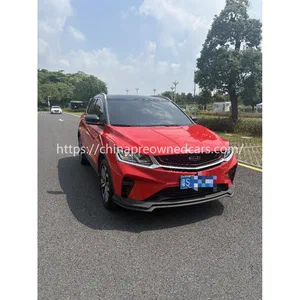
Mileage is a useful starting point, but it does not establish a vehicle’s condition on its own. Request the displayed odometer reading, dashboard photographs, available service records, and maintenance invoices. Compare mileage entries across inspection documents and service history to identify unexplained changes. Ask about engine repairs, transmission faults, flood exposure, structural damage, repainting, and replaced airbags. For Chinese SUVs such as the Chery Tiggo 7 Plus, Chery Tiggo 8 Pro, Geely Coolray, and Haval H6, the inspection should cover the engine, gearbox, suspension, cooling system, and electronic functions. A written condition report should distinguish confirmed findings from items that could not be tested.

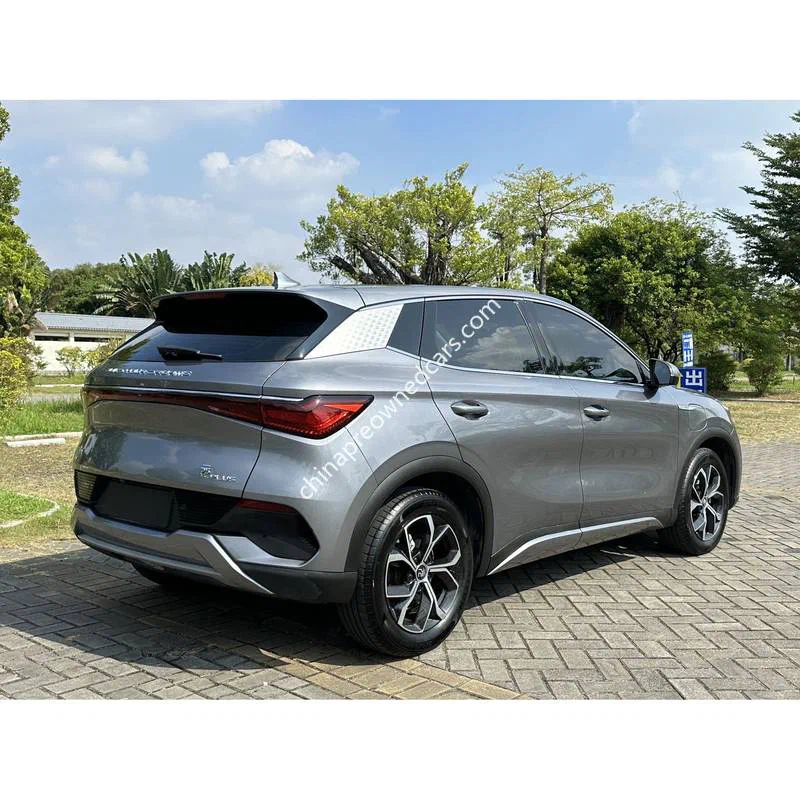
Electric vehicles require additional checks. For a BYD Atto 3, request a recent battery assessment showing the available state-of-health measurement, test method, and reported usable capacity where available. Ask whether the charging system, battery management system, dashboard warnings, and charging connections have been tested. Battery health figures need context because test methods differ, and a dashboard range estimate is not a substitute for a battery assessment. Buyers should also confirm charging compatibility and local charging access. For hybrid vehicles, request checks of both the combustion engine and the high-voltage battery system. Battery transport declarations and shipping arrangements may require additional attention compared with conventional vehicles.
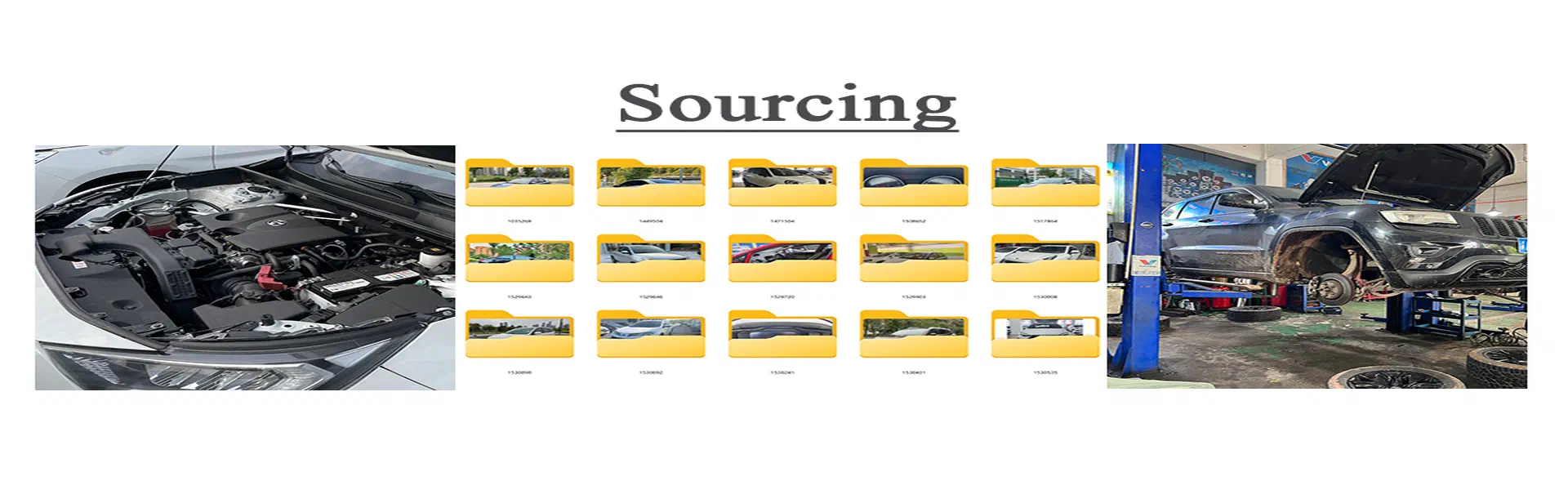
Vehicle identity must match across the listing, physical inspection, and export paperwork. Obtain clear photographs of the VIN or chassis number, manufacturer plate, odometer, and relevant identification labels. Check that these details correspond with the registration or ownership records available for the vehicle. Ask for an independent or documented pre-shipment inspection report, including its date, findings, photographs, and any limitations. The report should identify the specific vehicle rather than describe a model generally. Request the export license details, commercial invoice, sales contract, and the customs declaration or clearance documents available at each stage. Some paperwork is issued only after the relevant export process has progressed, so the exporter should explain when each document will be provided.
Exporter credibility matters as much as vehicle condition. Check the company’s registered business details, physical contact information, trading history, and experience shipping used vehicles to Ghana, Nigeria, Kenya, Uganda, or Tanzania. Ask for a written quotation that separates vehicle cost, inspection, inland transport, export handling, shipping, and destination charges where applicable. Confirm whether the quotation covers RoRo shipping or container shipping, the intended destination port, and which party handles each stage. Most vehicles in this inventory are left-hand drive, so buyers must confirm that the configuration is permitted in their destination market. Vehicle age restrictions, emissions rules, roadworthiness requirements, and import eligibility can change; confirm current requirements with the destination authority or a qualified local clearing agent before committing funds.
Payment terms should be documented before money changes hands. The contract should identify the vehicle by VIN, state the agreed condition and included services, define the payment schedule, and explain what happens if inspection findings differ materially from the listing. Use a verified company bank account matching the contracting entity, and independently confirm any last-minute changes to payment instructions. Avoid paying an individual account without a clear contractual basis. Common problems include inaccurate mileage descriptions, undisclosed accident damage, incomplete export documents, shipping delays, unexpected port charges, and disputes over who pays for repairs or storage. Retain payment receipts and written communications. Before shipment, confirm the loading method, estimated transit window, insurance arrangements, and documents needed for collection. Also establish what after-sales assistance is available and whether local parts or diagnostic support can be sourced. A clear agreement cannot eliminate every risk, but it gives both parties a practical record for resolving discrepancies.
FAQ
Q: What documents should a buyer request before paying for a used car?
A: Request a vehicle-specific inspection report, VIN photographs, available service and ownership records, a signed sales contract, and a commercial invoice. Confirm the export license and the timing of customs documentation with the exporter.
Q: How can a buyer reduce the risk of problems after shipment?
A: Verify the vehicle independently, confirm current import rules with a local clearing agent, and document payment and shipping responsibilities in writing. For electric vehicles, obtain a battery assessment and check charging compatibility before purchase.