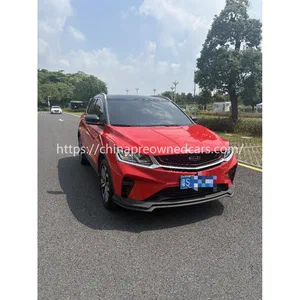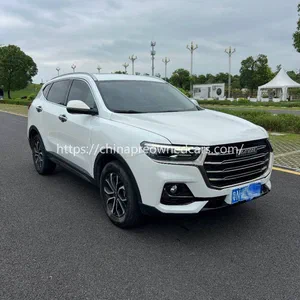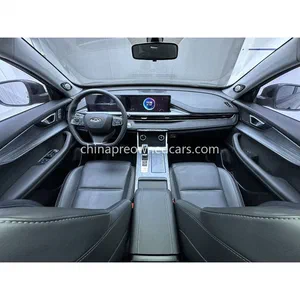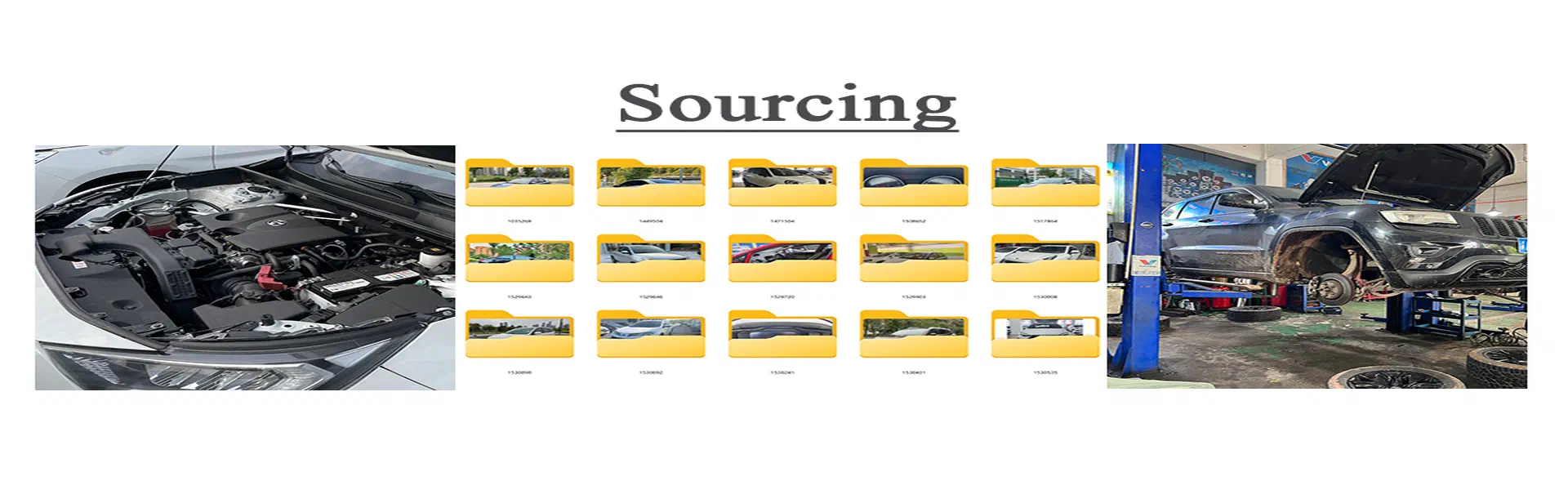
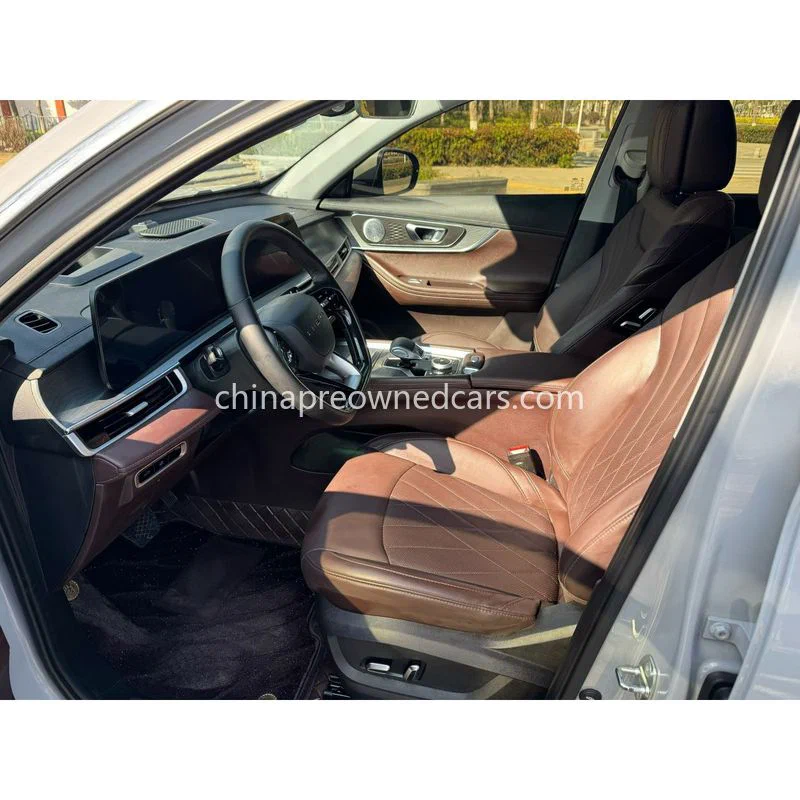
Choosing a used vehicle for export from China requires more than comparing model specifications and asking prices. Overseas buyers should verify the vehicle’s actual condition, ownership and service records, export documents, and suitability for the destination market before making payment. A clear inspection process helps reduce disputes and unexpected costs after arrival.
Mileage is a useful starting point, not proof of condition. Ask for a dashboard photograph, a current odometer reading, and available service records, then compare the dates and mileage entries for inconsistencies. Check the seats, steering wheel, pedals, tyres, and suspension for wear that may not match the recorded distance. Request an accident-history review and photographs of the body panels, underbody, engine bay, and repaired areas. A pre-shipment inspection should document visible damage, mechanical operation, warning lights, and any identified faults. VIN verification is equally important: compare the vehicle identification number on the car with the registration and export records, and investigate any mismatch before proceeding.
For electric and hybrid vehicles, battery condition needs separate attention. Buyers considering the BYD Atto 3 should request an available battery diagnostic report showing state of health, diagnostic results, and any recorded battery faults. Ask how the assessment was performed and when it took place; a dashboard range estimate alone does not establish battery capacity. Hybrid models also require checks of the combustion engine, transmission, hybrid system, and charging components where applicable. Confirm charging compatibility and local access to suitable charging facilities before selecting an electric SUV for a market where infrastructure may be limited. Battery transport requirements can affect shipping arrangements, so the exporter should confirm the applicable carrier conditions before booking.
The document review should begin before the deposit is paid. Request the inspection report, available ownership and registration documents, sales contract, and a written specification of the vehicle being purchased. Confirm that the exporter can provide the required export license and arrange the relevant customs declaration and clearance paperwork. Ask which documents will be supplied before shipment and which will follow after loading. The final paperwork should identify the same vehicle, using matching VIN details wherever applicable. Buyers importing into Ghana, Nigeria, Kenya, Uganda, or Tanzania must independently confirm current rules on vehicle age, emissions, roadworthiness, duties, and left-hand-drive eligibility. These requirements can change, and most Chinese domestic vehicles are left-hand drive. Do not assume a vehicle is eligible simply because an exporter can ship it.
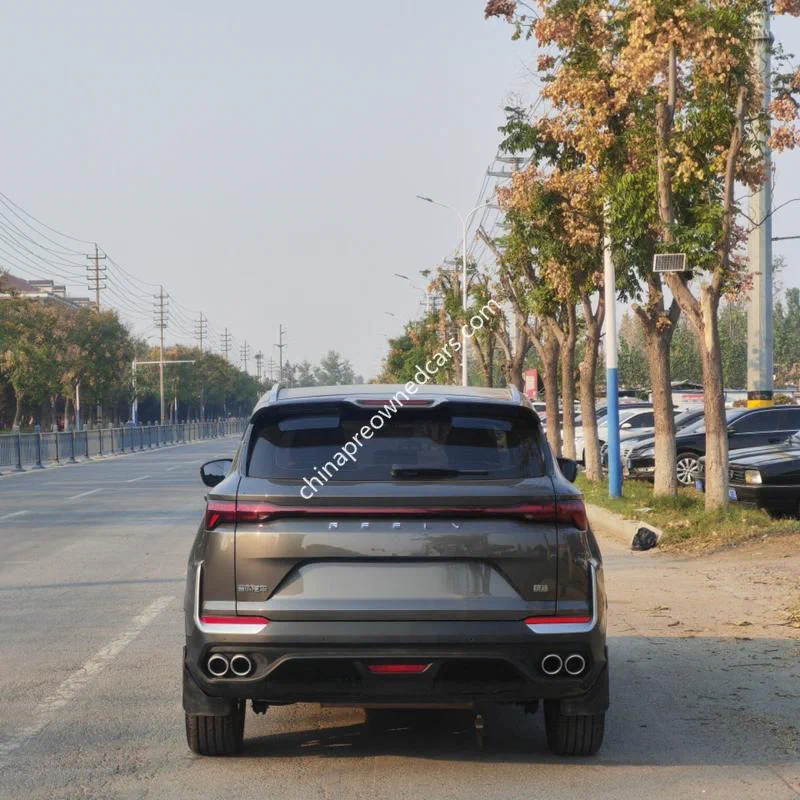
Exporter credibility is best assessed through verifiable business information and a consistent paper trail. Check the company’s registered details, business contact information, physical address, and experience handling used-vehicle exports. Request recent inspection examples with sensitive customer information removed, and ask for photographs or video showing the specific vehicle and its VIN. A supplier that explains defects and provides itemised costs is easier to assess than one relying on broad assurances. Search listings carefully, too: terms such as yellow second hand cars may describe a colour or a search category, but neither tells a buyer anything about mechanical condition or export eligibility. Match the advertised specification to the contract rather than relying on listing text alone.

Payment and shipping terms should be agreed in writing. The contract should state the vehicle price, included services, deposit conditions, balance-payment trigger, inspection arrangements, and responsibility for bank charges or other fees. Avoid transferring funds to an unrelated account without independently verifying the recipient and obtaining written confirmation of the payment terms. The shipping quotation should distinguish origin handling, inland transport, export clearance, freight, insurance if included, and destination charges. RoRo shipping is generally suited to vehicles driven or rolled onto a vessel, while container shipping can offer additional protection and may suit consolidated cargo. Neither method removes the need to check loading conditions and insurance coverage. Common problems include undisclosed repairs, inconsistent documents, unexpected port charges, delayed sailing schedules, and disputes over damage. Keep copies of the agreed specification, inspection evidence, receipts, shipping instructions, and bill of lading, and establish how post-arrival claims or parts enquiries will be handled before committing.
FAQ
Q: What documents should I request before buying a used car from China?
A: Request the sales contract, available ownership and registration records, VIN details, inspection report, and confirmation of export licensing and customs procedures. Confirm the exact documents required by the destination country before payment.
Q: How can I reduce the risk of receiving a vehicle in worse condition than advertised?
A: Arrange an independent or documented pre-shipment inspection, verify the VIN, and review current photographs, service records, and diagnostic results where applicable. Make the agreed condition and inspection requirements part of the written contract.