Buying a used electric vehicle for export from China requires checks that go beyond bodywork and mileage. Overseas buyers should verify battery condition, vehicle history, identification records, export documentation, and the import requirements of the destination country before releasing payment. A careful process reduces the risk of receiving a vehicle that cannot be registered, charged, or economically maintained after arrival.
Vehicle condition and battery health
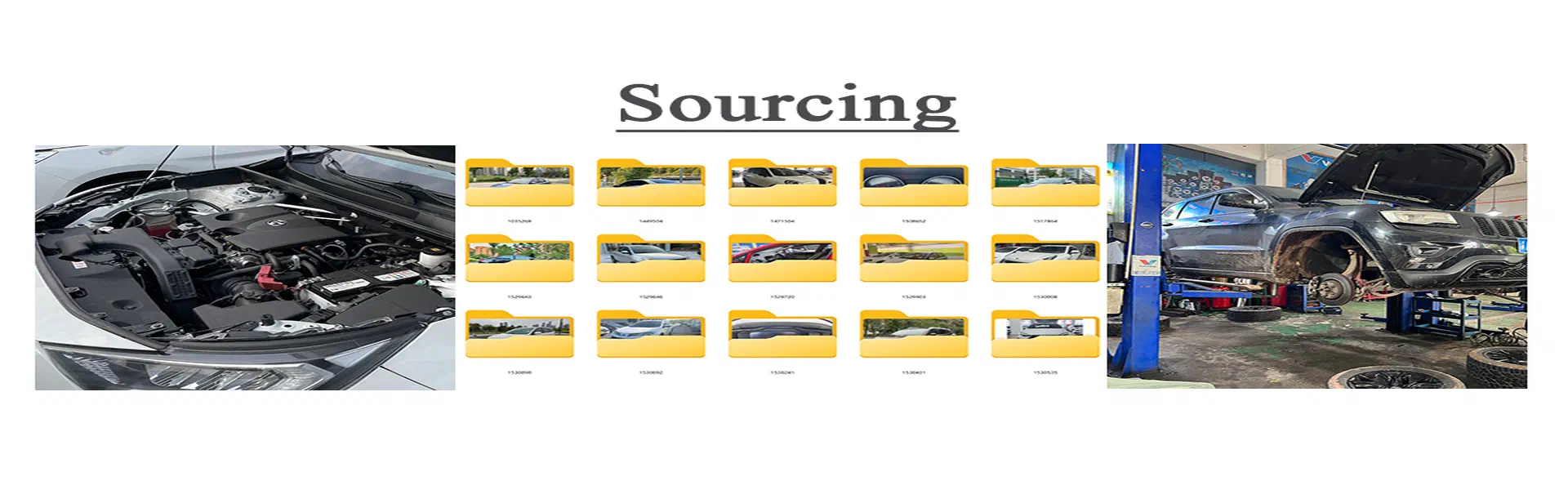
Start with the vehicle’s mileage, service history, and accident record. Ask the exporter for dated photographs, dashboard readings, maintenance invoices where available, and a pre-shipment inspection report. The odometer reading should be consistent with available service records and the vehicle’s visible wear. Low mileage alone does not establish good condition, particularly if the vehicle has spent long periods unused or has an incomplete maintenance history.
Battery health deserves separate attention. Request a battery state-of-health assessment, the method used to obtain it, and any available diagnostic records showing cell voltage differences, fault codes, and charging performance. A dashboard range estimate is not a substitute for a battery assessment because displayed range varies with temperature, driving conditions, and recent energy consumption. Ask whether the vehicle has experienced battery repairs, collision damage, water ingress, or prolonged storage. For plug-in hybrids, check the high-voltage battery as well as the combustion engine, transmission, and charging system.
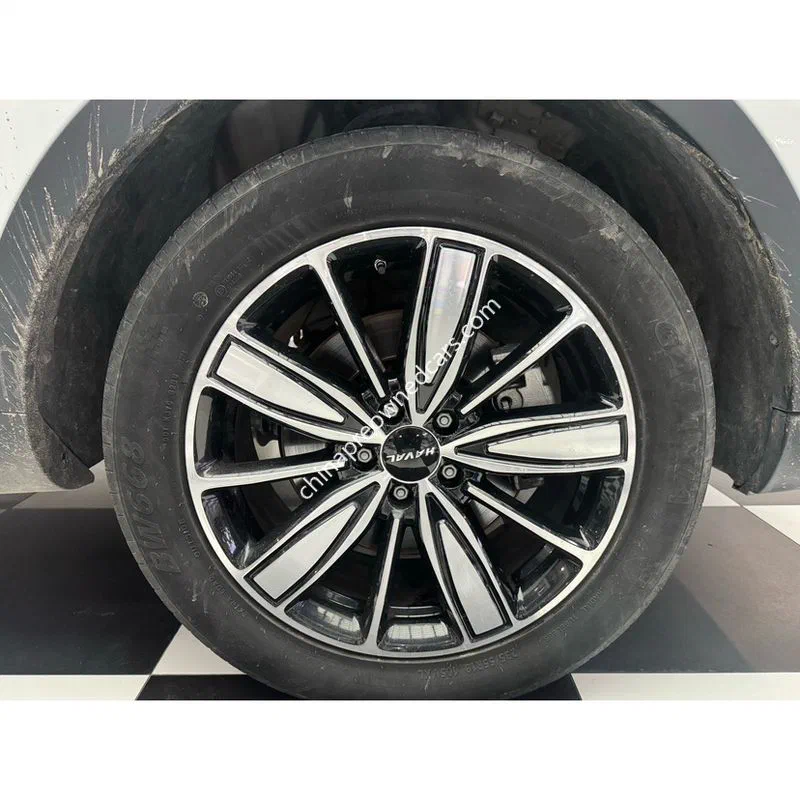
The VIN should match across the vehicle, registration documents, inspection records, and export paperwork. Check for signs of altered identification markings and ask the exporter to explain any discrepancies before proceeding. Accident repairs, repainting, underbody corrosion, suspension wear, tyre condition, and warning lights also require attention. A remote buyer can request a continuous video showing the VIN, odometer, exterior panels, cabin, dashboard with the vehicle switched on, and charging process. Independent inspection is preferable when the purchase value or shipping commitment makes a mistake costly.
Export documentation, shipping, and payment
Before paying a deposit, establish which documents the exporter will provide and at what stage. The transaction should identify the exact vehicle by VIN, agreed condition, included equipment, and payment milestones. Buyers should request the available inspection report, proof that the exporter is authorized to conduct the export, and a clear explanation of the export license and customs declaration process. Final export and customs clearance documents should be supplied as applicable to the shipment. Confirm the bill of lading or other carrier documentation once issued, and check that names, vehicle identifiers, and destination details are consistent.
Shipping arrangements affect both cost and handling. Roll-on/roll-off (RoRo) shipping is generally suitable for vehicles accepted under the carrier’s operating rules, while container shipping can provide more control over loading and separation from other cargo. Electric vehicles may face additional carrier requirements because of their high-voltage batteries and applicable transport classifications. Confirm acceptance, battery documentation, loading conditions, insurance scope, and port charges before booking. Shipping schedules can change because of vessel availability, port congestion, customs processing, or documentation errors; obtain an estimated transit window rather than treating an indicative date as guaranteed.

Payment terms should be written into a pro forma invoice or sales contract. A deposit followed by a balance payment before shipment or against agreed documentation is common in export transactions, but the exact structure varies. Specify when each payment becomes due, which inspection results permit rejection or renegotiation, who bears bank charges, and how refunds are handled if export cannot proceed. Verify the company’s registered identity, business contact details, banking beneficiary, and transaction history where available. Be cautious of last-minute bank-account changes, pressure to pay before inspection, or requests to transfer funds to an unrelated individual. Independent verification is more useful than relying on promotional claims.
Import suitability must be checked before the vehicle is purchased, not after it reaches the port. Buyers in Ghana, Nigeria, Kenya, Uganda, and Tanzania should confirm current rules on vehicle age, emissions where applicable, import duties, roadworthiness, registration, and left-hand-drive eligibility with the relevant authorities or a licensed local clearing agent. Most vehicles in China’s domestic market are left-hand drive, which can restrict their suitability in right-hand-drive markets. For an EV, confirm local charging connector compatibility, available charging options, electricity supply, and access to qualified repair services. A model that appears attractive at purchase may prove difficult to operate if replacement parts, diagnostic equipment, or battery support are limited.
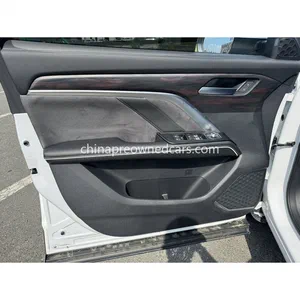
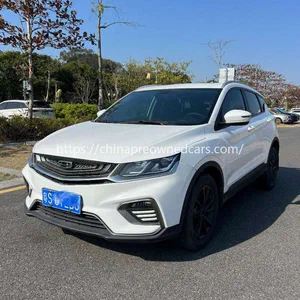
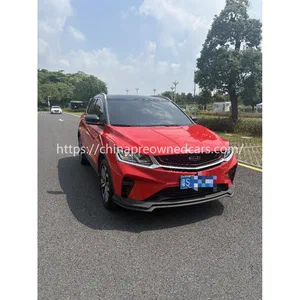
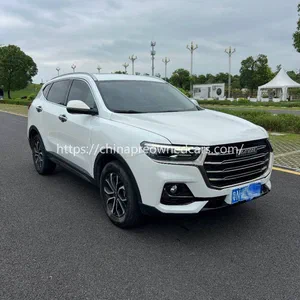
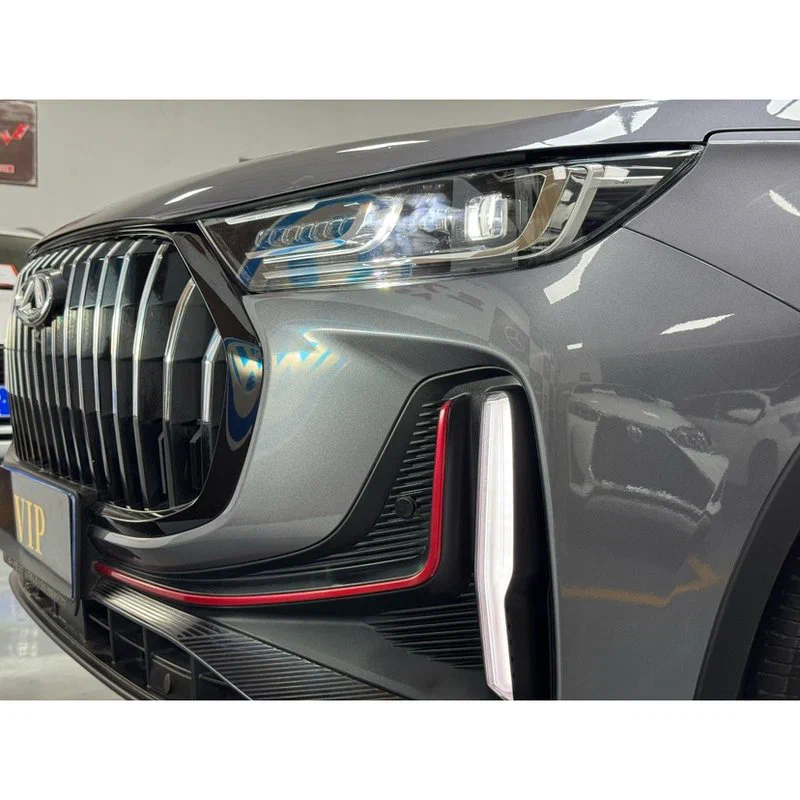
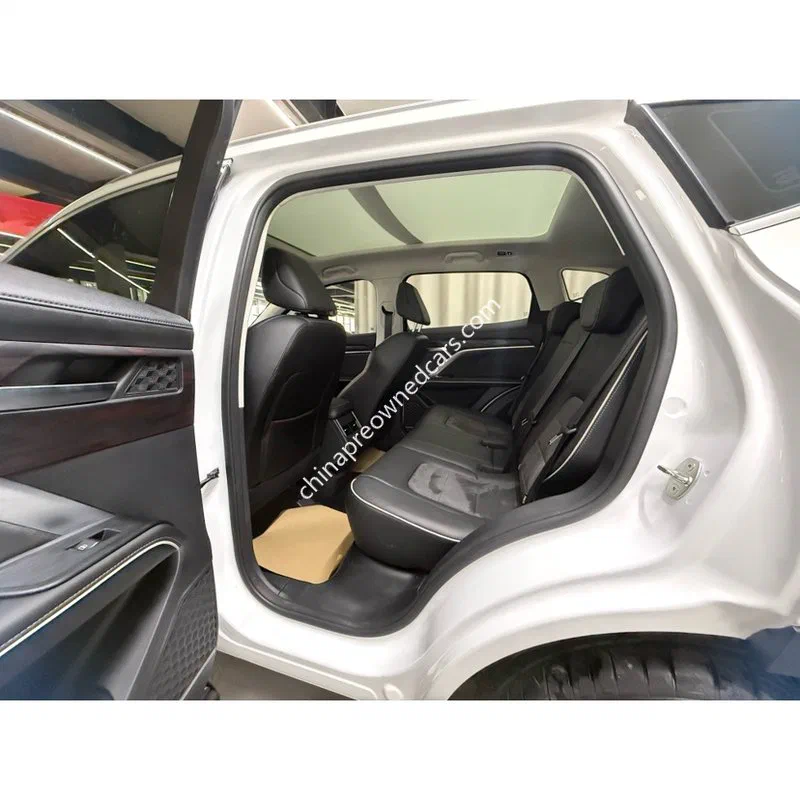
The question of what are the best used electric cars to buy depends on the buyer’s operating conditions and import plan. The BYD Atto 3 is an electric SUV option, while the Chery Tiggo 7 Plus, Chery Tiggo 8 Pro, Geely Coolray, and Haval H6 offer alternatives whose suitability depends on the specific powertrain and vehicle configuration being sourced. Do not assume that every listed model is fully electric or that every configuration is available for a particular shipment. Compare verified specifications, battery or engine condition, service access, and expected running costs. Agree in writing on the inspection standard, documentation, shipping responsibility, and after-sales contact before committing funds. These details help prevent disputes over undisclosed defects, missing paperwork, delayed loading, and unexpected destination charges.
FAQ
Q: What battery information should a used EV exporter provide?
A: Request a battery state-of-health assessment, available diagnostic records, fault-code information, and details of known battery repairs. Confirm how the assessment was performed and whether the results relate to the exact VIN being purchased.
Q: Which documents should buyers request before shipment?
A: Request the vehicle inspection report, VIN-matched sales documents, applicable export authorization, and confirmation of customs declaration arrangements. Obtain shipping documents when issued and verify the destination and vehicle details before relying on them for clearance.
Q: How can buyers reduce the risk of import problems?
A: Confirm current vehicle eligibility, drive-side rules, age restrictions, duties, and registration requirements with the destination authority or a licensed clearing agent before payment. Also verify charging compatibility and local repair support for electric vehicles.