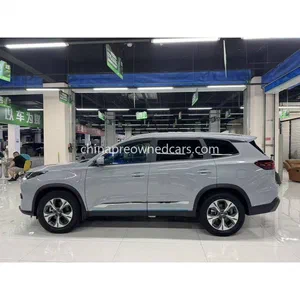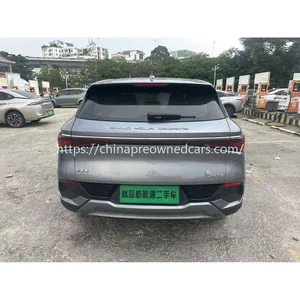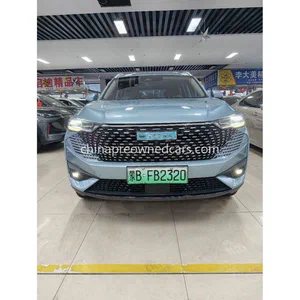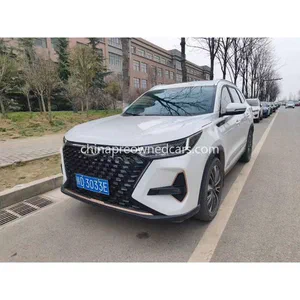

Exporting used electric and hybrid vehicles requires more than checking mileage and exterior condition. Buyers must assess battery state of health, charging compatibility, transport requirements and destination-market suitability before committing to a purchase. For used car lot dealers sourcing vehicles from China, these checks directly affect resale value and the risk of unexpected costs after arrival.
Battery Assessment Before Purchase
Battery state of health (SOH) should be one of the first items on an EV inspection checklist. It indicates the battery’s remaining capacity relative to its original condition. A vehicle with low mileage can still have significant battery degradation if it has experienced frequent fast charging, high temperatures or prolonged storage at a high or low state of charge.
Buyers should request a diagnostic report from the vehicle’s battery management system rather than relying on the dashboard range estimate. The report should identify available capacity, cell voltage differences, battery temperature readings and any recorded battery faults. Where possible, an independent technician should conduct a diagnostic scan and compare the reported SOH with charging and driving performance.
The BYD Atto 3 is an important model to assess through this process. Its battery condition and charging performance should be verified on the individual vehicle, not assumed from the model specification. The same principle applies when sourcing hybrid SUVs such as the Chery Tiggo 7 Plus or Chery Tiggo 8 Pro. Their traction batteries, hybrid systems and combustion engines require separate checks.
Sourcing, Charging and Export Preparation
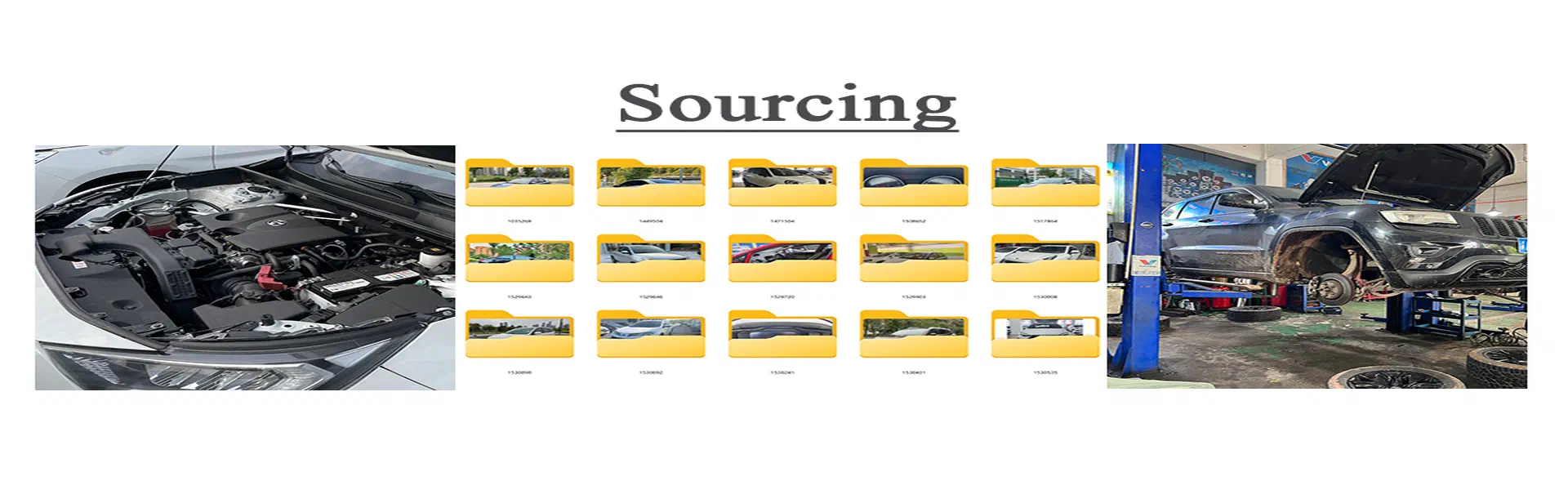
The sourcing channel affects how much information is available before payment. Dealer sourcing may provide easier access to maintenance records, previous ownership information and opportunities for additional inspection. Auction sourcing can offer a wider selection, but inspection windows may be limited and vehicle histories less complete. Auction grades should therefore be treated as preliminary assessments, not proof of mechanical or battery condition.
Before purchase, buyers should verify the VIN against registration and available service records, examine mileage consistency, inspect the underbody and bodywork, and check for accident repairs or water damage. Battery damage deserves particular attention because an impact to the battery enclosure may not be visible from a standard exterior inspection. A written condition report should distinguish cosmetic defects from mechanical faults and identify any diagnostic limitations.

Charging compatibility is another purchasing decision that can affect the vehicle’s resale prospects. Chinese-market EVs commonly use GB/T connectors, while CCS and CHAdeMO are established standards in other markets. Buyers should not assume that a charging station can accommodate every imported vehicle. The availability of compatible public chargers, home charging equipment and adapters should be checked in the intended destination. For Ghana, Nigeria, Kenya, Uganda and Tanzania, local charging infrastructure and access to suitable electrical installations should be assessed before selecting a vehicle. An adapter does not automatically resolve differences in charging protocols or communication systems.
Battery condition also influences resale value through its effect on usable driving range. A vehicle advertised with a particular original range may deliver considerably less after years of use. Buyers should compare the diagnostic SOH, original battery capacity and realistic driving range under local operating conditions. High temperatures, road conditions, driving patterns and charging habits can affect actual performance. A lower purchase cost may not compensate for a battery that limits the vehicle’s appeal to local customers.
Shipping and Commercial Checks
Battery transport requires a separate compliance review. Lithium-ion batteries are subject to dangerous goods requirements, including the relevant provisions of UN 3480 for lithium-ion batteries shipped independently and UN 3481 for batteries contained in or packed with equipment. An EV being shipped with its battery installed is generally assessed under the applicable vehicle and dangerous goods transport provisions, rather than automatically treated as a standalone UN 3480 shipment. The carrier must confirm the correct classification, documentation, packaging or handling requirements and any restrictions relating to battery damage. RoRo and container shipping may both be options, subject to carrier acceptance and route-specific rules.
Before releasing payment, the buyer should agree on the vehicle identification, inspection scope, condition grading, payment milestones and responsibility for export documentation. China’s used vehicle export process requires the relevant export licensing, customs declaration and pre-shipment inspection. The exporter should also provide the commercial invoice, vehicle documentation and shipping paperwork required for the transaction. Confirm whether the agreed price covers inland transport, inspection, customs handling and ocean freight, or whether these are billed separately. Written terms reduce disputes when an inspection identifies defects.
Destination requirements need final confirmation before shipment. Ghana, Nigeria, Kenya, Uganda and Tanzania have their own rules covering vehicle age, emissions, roadworthiness and import procedures. Most Chinese domestic vehicles are left-hand drive, so buyers should also confirm that the destination permits LHD vehicles. Hybrid and electric vehicles may face additional requirements involving battery condition, charging equipment or import classification. These rules can change. The importer should verify current requirements with the relevant authorities or customs broker before the exporter dispatches the vehicle.
FAQ
Q: What is the most important battery check when buying a used EV for export?
A: Battery state of health is a key starting point. Buyers should obtain a diagnostic report and verify capacity, cell voltage differences, temperature readings and fault records.
Q: Can Chinese-market EVs using GB/T charging connectors be exported to Africa?
A: Yes, subject to destination requirements and charging compatibility. Buyers should check local charging infrastructure and confirm whether suitable charging equipment or technically compatible adapters are available.
Q: Do used electric vehicles require special shipping documentation?
A: Yes. Battery classification, carrier dangerous goods requirements and applicable vehicle shipping regulations must be checked before booking. The exporter and shipping company should confirm the required documentation for the selected transport method.