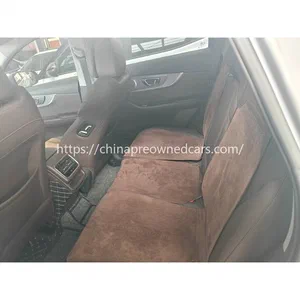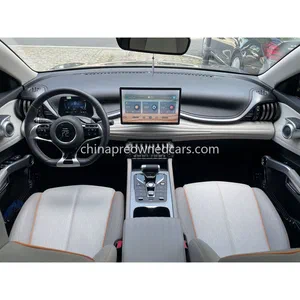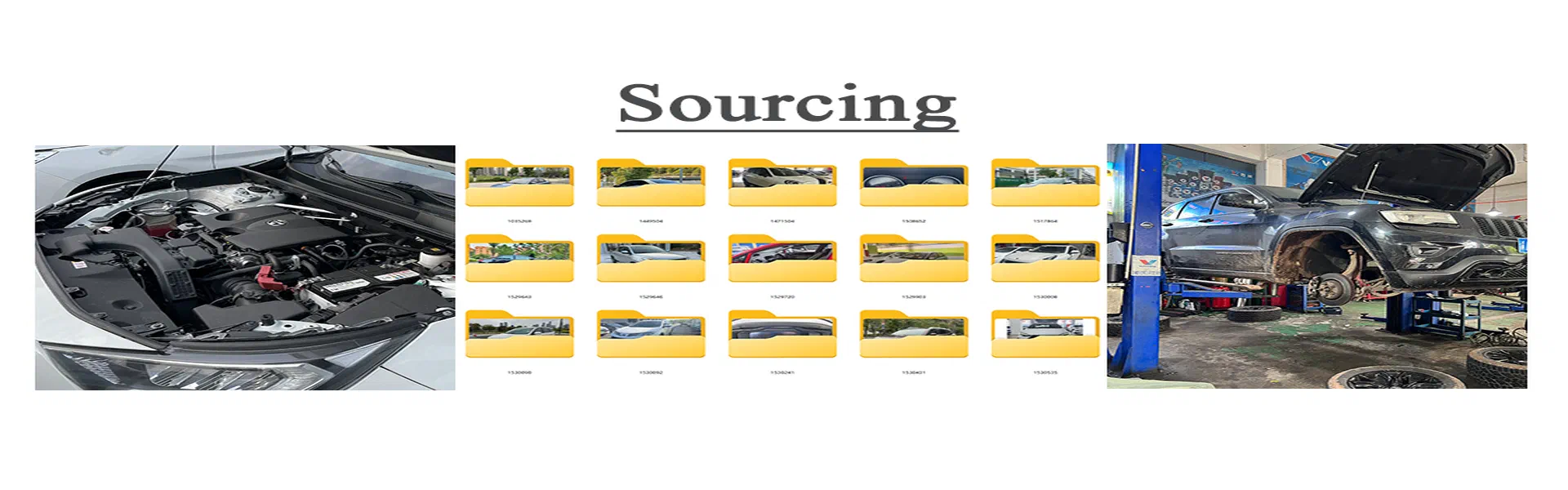
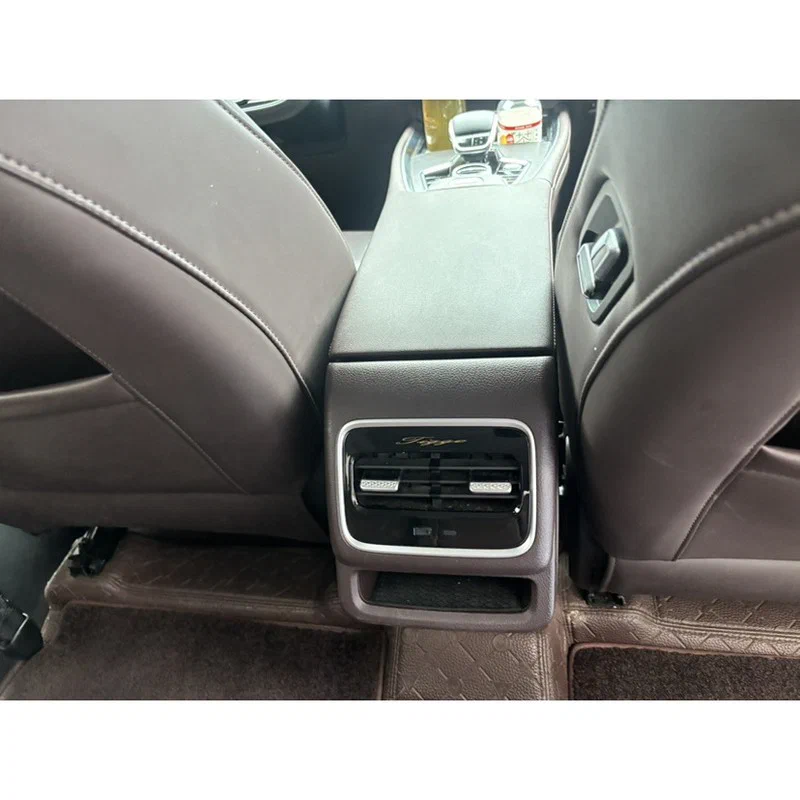
A vehicle pre-shipment inspection ensures that the car meets export standards and destination market requirements before leaving China. It verifies the vehicle’s condition, documentation, and compliance, offering buyers a clear picture of what they are purchasing.
Key Elements of a Pre-Shipment Inspection
The inspection typically covers three main areas: physical condition, technical functionality, and regulatory compliance. Physical checks include examining the exterior for damage, interior wear, and structural integrity. Technical inspections assess engine performance, battery state-of-health for electric vehicles, and roadworthiness. Regulatory compliance ensures that the vehicle meets destination-specific requirements such as emission standards, drive side compatibility, and age limits. In the case of Chinese used SUVs like the BYD Atto 3 or Haval H6, buyers should confirm compatibility with African and Middle Eastern regulations, which may vary significantly.
Practical Guidance for Buyers
Buyers should request a detailed inspection report before committing to a purchase. This report should include VIN verification, mileage records, and condition grading based on industry standards. Vehicles sourced from auctions may offer lower upfront costs but come with higher variability in condition, while dealer-sourced inventory often undergoes more stringent pre-sale checks. Payment terms, including deposits and final settlements, must be clarified with the exporter. Buyers should also consider shipping lead times, which vary depending on whether the vehicle is shipped via RoRo or in containers. Typical timelines range from 15 to 25 days, but this depends on the destination port and logistics arrangements.

Export Logistics and Documentation
Pre-shipment inspection is just one part of the export process. Once the inspection confirms the vehicle’s readiness, exporters proceed with customs clearance, export licensing, and documentation. This includes the bill of lading, commercial invoice, and inspection certificates required by the destination country. Buyers importing to countries like Ghana or Kenya should verify local import regulations, including duties and taxes, to avoid delays. Left-hand-drive vehicles are standard for China-sourced SUVs, and buyers in right-hand-drive markets must ensure compatibility or consider alternative sourcing.

FAQ
Q: What happens if a vehicle fails the pre-shipment inspection?
A: The exporter usually addresses any issues or offers alternative vehicles that meet the required standards.
Q: Are pre-shipment inspections mandatory for all exports?
A: Yes, pre-shipment inspections are required to meet both Chinese export regulations and destination market standards.

Q: Can I arrange my own inspection through a third party?
A: It’s possible, but this should be coordinated with the exporter to ensure all necessary checks align with export procedures.