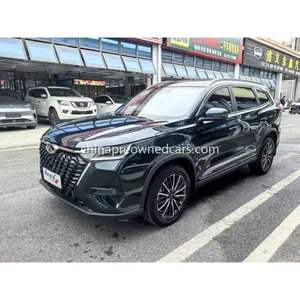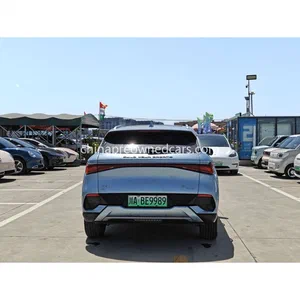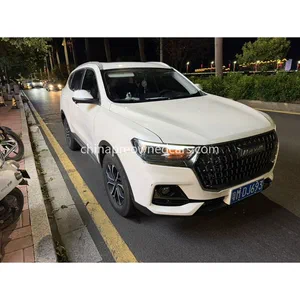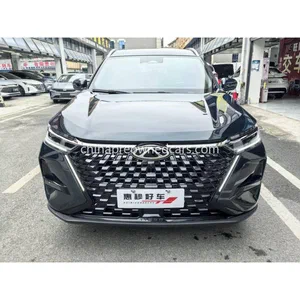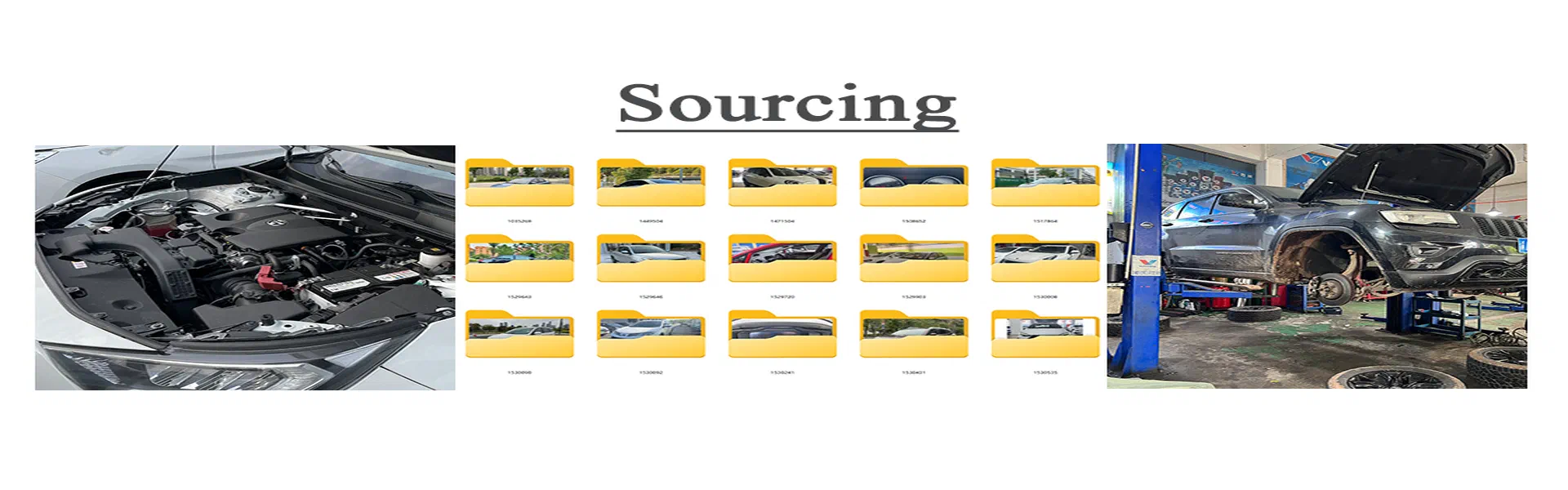
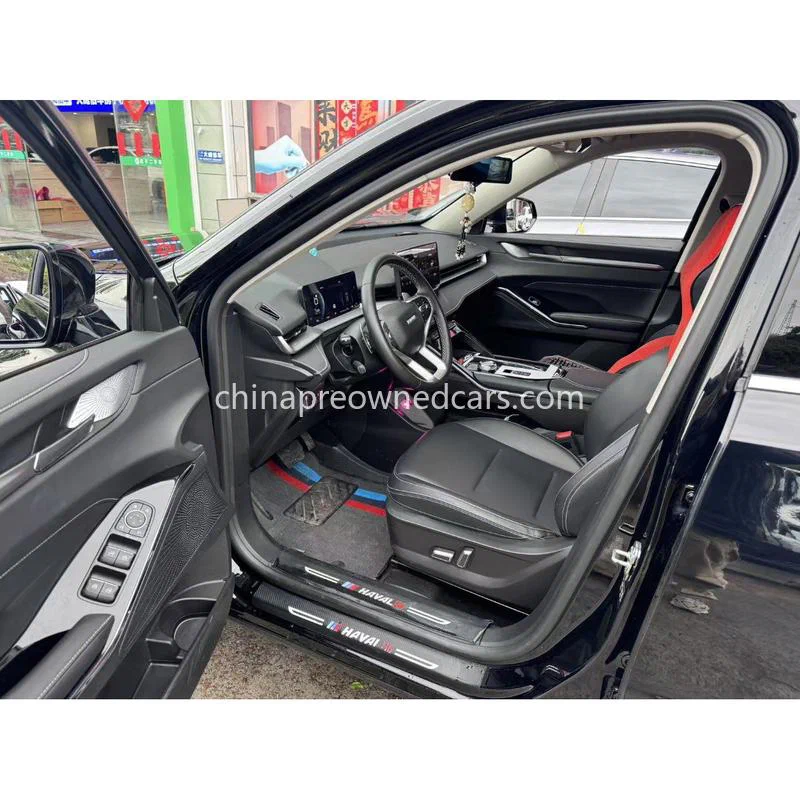
On 11 November 2025 China’s Ministry of Commerce, together with the Ministry of Industry and Information Technology, the Ministry of Public Security and the General Administration of Customs, issued a notice on strengthening used-vehicle export management. Its main provisions took effect on 1 January 2026.
It is a domestic administrative document, and if you are buying in Accra or Lagos it changes what your supplier can and cannot do for you.
The 180-day rule
From 1 January 2026, any vehicle applying for export within 180 days of its first registration requires an additional document: an after-sales service confirmation letter issued by the vehicle’s manufacturer.
That letter must specify the destination country, the vehicle details, and the service network information for the destination — stamped with the manufacturer’s official seal. Without it, no export licence is issued.
The stated purpose is to stop new cars being exported under a used-car label. The practical effect for you is more interesting: for near-new stock, the manufacturer has to acknowledge in writing that service exists in your country before the car can legally leave China.
That is a form of buyer protection that did not exist before, arriving as a side effect of an anti-circumvention measure.
Export licence data must match the registration certificate
The notice requires that export licence applications carry brand, model, first registration date and transfer-for-export date matching the vehicle registration certificate exactly. Registration date and transfer date go in the licence annex. Applications that do not comply are refused, and the Ministry monitors filing quality and reports repeat offenders along with the issuing bodies.
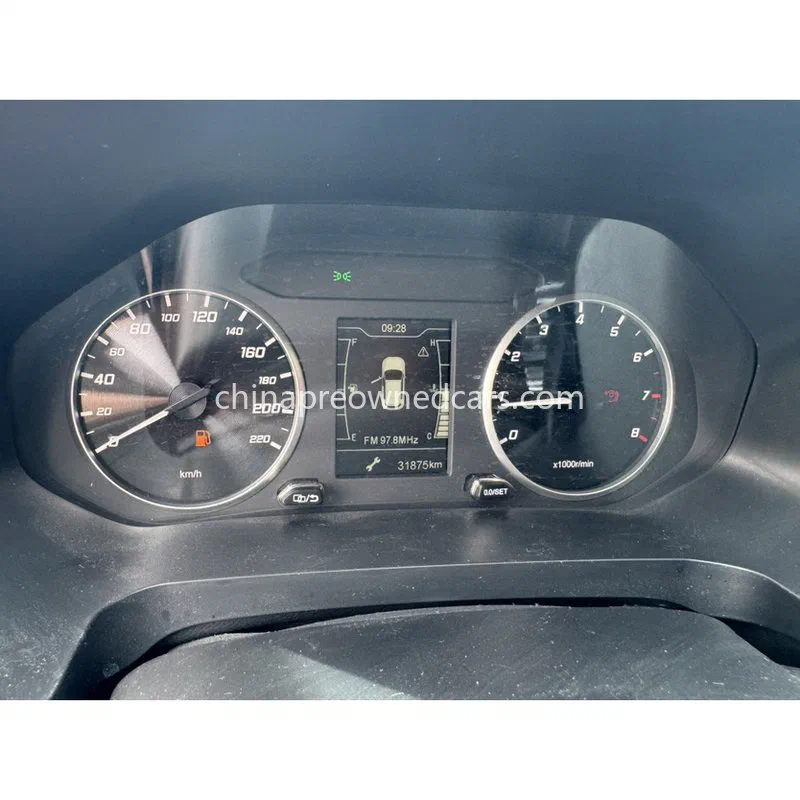
For a buyer this is a traceability improvement. The paperwork travelling with your car is now tied to the vehicle’s registry identity rather than to a description someone typed.
Company-level accountability
Provincial commerce authorities are directed to build credit evaluation systems for used-vehicle exporters, working from a published negative list of bad-faith export behaviour.
Firms with repeated bad-faith conduct — including failing to provide repair technology and spare parts support for exported vehicles, or failing to honour quality assurance obligations — must produce and implement corrective measures, and their rectification record is weighed when their next export licence application is assessed. The rule follows the people, not just the company: setting up a new entity under the same principals or associates does not reset the record.
“Failing to provide spare parts support” is now formally a licensing risk in China. For an importer whose customers need parts three years from now, that is a meaningful change.
Modified vehicles
Exports declared as modified vehicles must include evidence that the modification is genuine, with accurate chassis brand, modified-vehicle brand and model. Where the modification cannot be substantiated, or the product type is not listed in MIIT’s catalogue of road motor vehicle manufacturers and products, or lacks valid compulsory product certification, no licence is issued.
If you have been offered something described as a modified vehicle at an unusual price, this is the framework it now has to survive.
Read alongside Ghana’s new standard
Two regimes are tightening at once, from opposite ends of the same shipment.
China now asks: is this exporter accountable, is the paperwork tied to the registry, and for near-new cars, does service exist where it is going.
Ghana, from 1 October 2026, asks: has each individual unit been inspected in the country of origin by a GSA-approved body, and does it hold a Certificate of Conformance — with flood, fire, structural, spare-parts-assembled, non-kilometre-speedometer and over-15-year vehicles refused outright.
An importer working with a licensed, monitored Chinese exporter and a GSA-recognised inspection body satisfies both. An importer working with whoever quoted cheapest satisfies neither, and finds out at a port.
What this means for price
Compliance costs something. Documentation, inspection and certification are real line items, and the cheapest offers in the market will continue to be the ones skipping them.
The question worth asking a supplier is not whether they can go cheaper. It is which of these steps the cheaper price omits.
Common questions
Q: Does the 180-day rule affect the cars I buy? A: Only near-new stock registered within 180 days of the export application. Typical two-to-five-year-old export stock is unaffected.
Q: What is the after-sales service confirmation letter? A: A manufacturer-issued, stamped document naming the destination country, the vehicle and the service network there. Required for the near-new category since 1 January 2026.
Q: How do I know my exporter is properly licensed? A: Ask which authority issues their export licences and how their filings are checked. A licensed exporter answers that easily; the question itself is diagnostic.
Q: Do these rules make Chinese cars more expensive? A: They add compliance cost. They also remove the cheapest and least accountable end of the supply, which is where most import disputes originated.