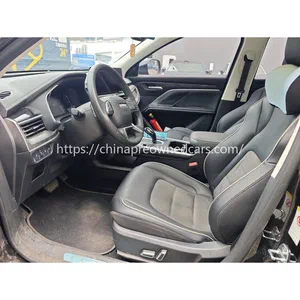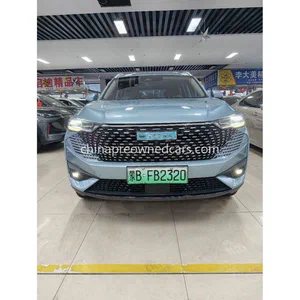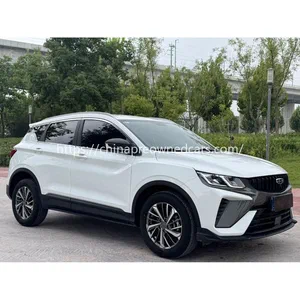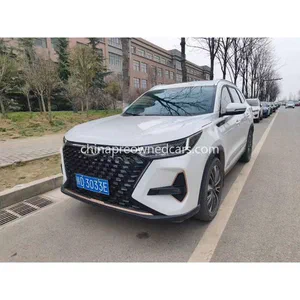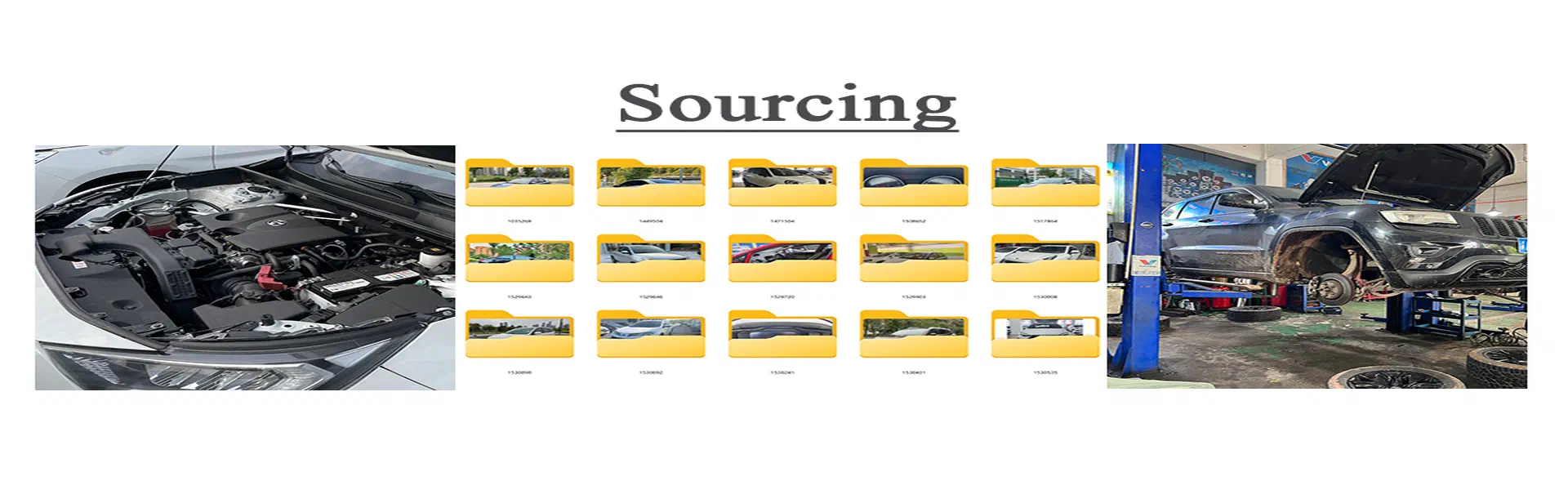
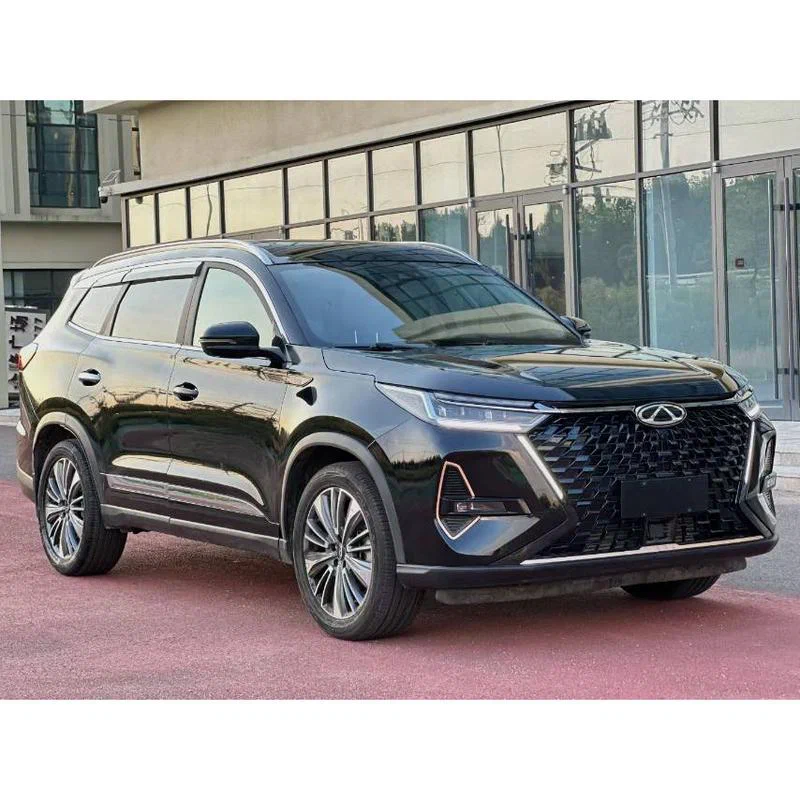
Second hand EVs are previously owned electric vehicles that are inspected and prepared for another owner or export market. Buyers assess them by checking battery condition, vehicle history, mileage records, physical condition, and export suitability before purchase. The same process applies when sourcing second hand cars ev from China for overseas markets.
Assessing a Used EV Before Purchase
A used EV requires different checks from a combustion vehicle because the battery system affects operating range and long-term value. Buyers should request available maintenance records, charging history where available, battery state-of-health information, and diagnostic results from inspection equipment. Battery condition is not judged by appearance alone, and a professional inspection helps identify possible issues.
Vehicle history verification is another important step. The buyer should confirm the VIN, ownership records, accident history where available, and whether the vehicle information matches export documents. Mileage should be reviewed together with service records and overall wear, because a low mileage figure by itself does not describe the full condition of a vehicle.
Chinese domestic sourcing channels usually include dealer networks, used vehicle platforms, and auctions. Dealer sourcing may provide more direct vehicle information and easier communication, while auctions can offer wider selection but require stronger inspection procedures before purchase. For export buyers, the sourcing method matters less than having clear records and an independent condition assessment.
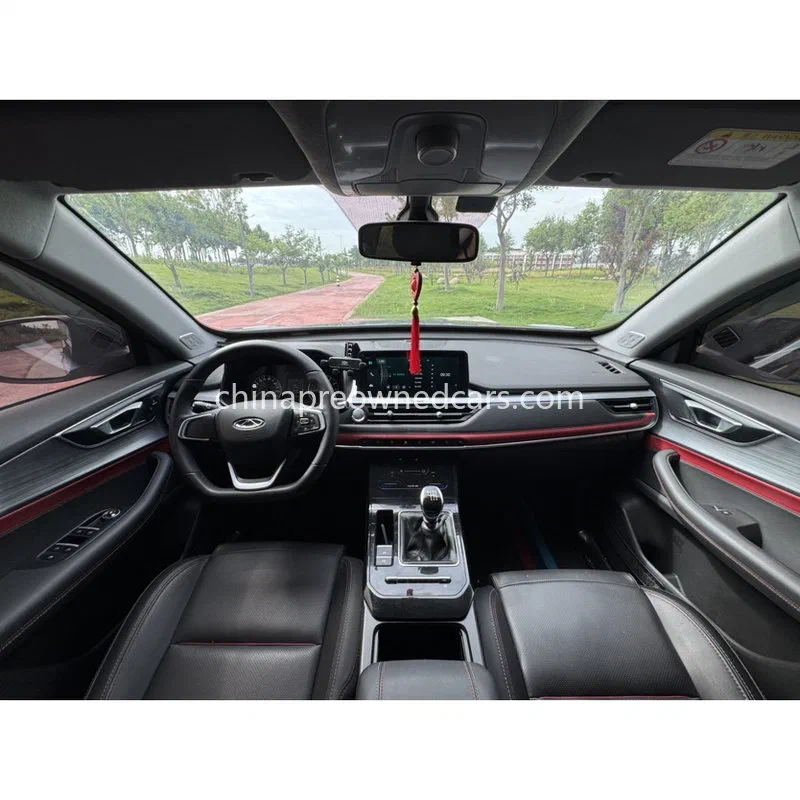
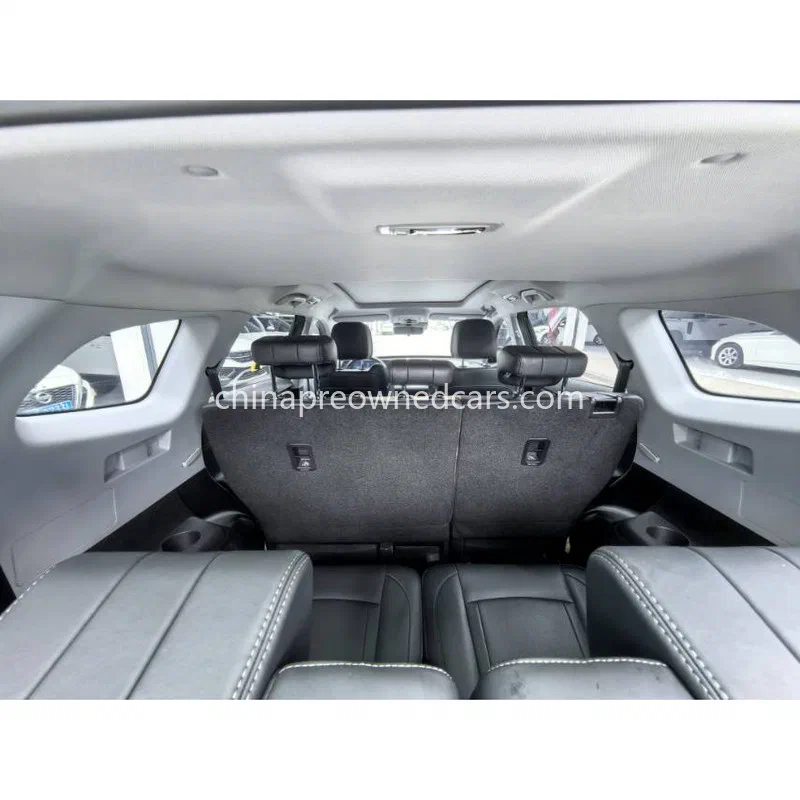
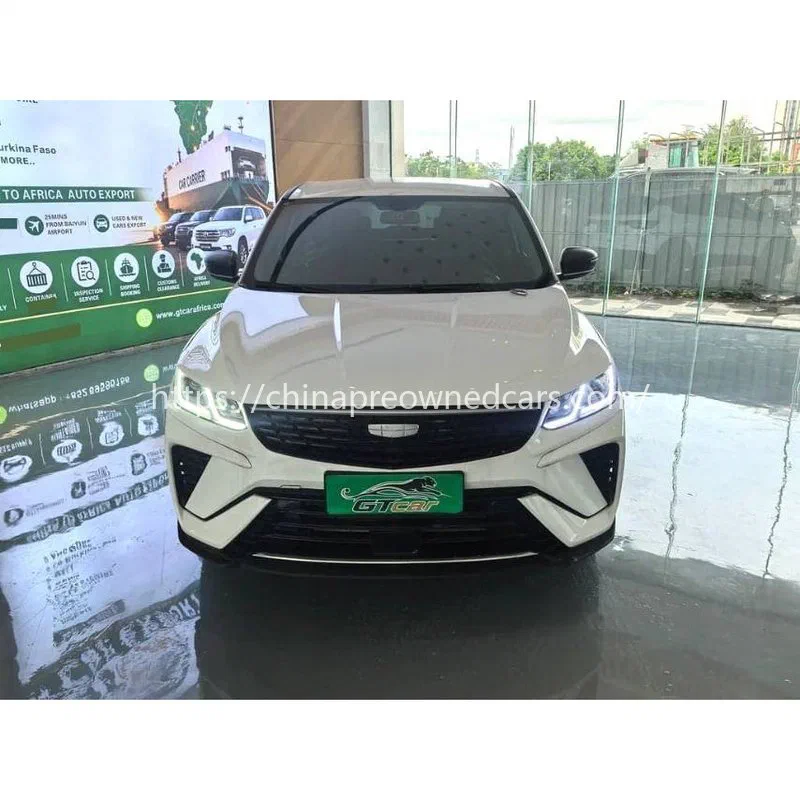
Common export models from China include BYD Atto 3, Chery Tiggo 7 Plus, Chery Tiggo 8 Pro, Geely Coolray, and Haval H6. These vehicles may appeal to buyers in markets such as Ghana, Nigeria, Kenya, Uganda, and Tanzania because SUVs offer practical space and driving flexibility. However, each destination market has its own requirements for vehicle age, emissions, roadworthiness, and import approval.
Export Preparation and Buyer Verification
Before shipment, the exporter arranges export licensing, customs declaration, documentation preparation, and pre-shipment inspection. The inspection process normally checks vehicle condition, identification information, safety items, and export compliance. Buyers should confirm what inspection documents are available before final payment arrangements.
Shipping methods depend on vehicle type, destination port, and logistics planning. Vehicles can be transported by RoRo shipping or loaded into containers. Container shipping may suit certain cargo arrangements, while RoRo is commonly used for vehicles that meet shipping requirements. The final method depends on the exporter, carrier availability, and destination conditions.
Buyers should also review payment terms, delivery arrangements, and after-sales support before completing a transaction. Important points include what documents will be provided, when ownership transfer occurs, how shipping updates are shared, and what assistance is available after arrival. For left-hand-drive markets, most Chinese domestic vehicles are suitable, but buyers should confirm local rules because some countries have different requirements.

The condition grading process should be clear and based on inspection findings rather than general descriptions. A responsible exporter should provide available details about exterior condition, interior wear, battery health for EVs, mechanical status, and any known repairs. Import regulations can change, so buyers should confirm current requirements with local authorities before shipment to avoid problems at customs.
FAQ
Q: How is a second hand EV different from a regular used car? A: A second hand EV requires additional checks on battery health, charging history, and electrical systems. Buyers should review both normal vehicle records and EV-specific inspection information.
Q: What should buyers check before importing a used EV from China? A: Buyers should verify VIN records, condition reports, export documents, shipping arrangements, and destination market requirements. Battery condition and drive-side compatibility should also be confirmed before purchase.