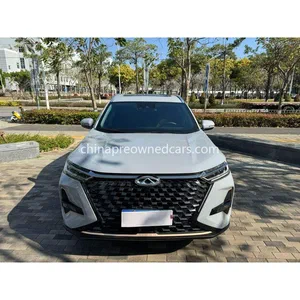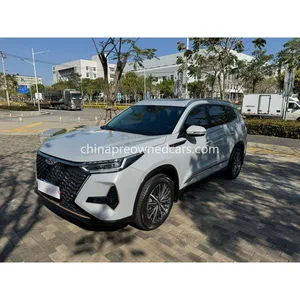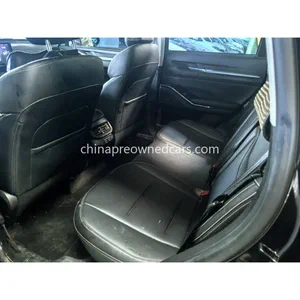
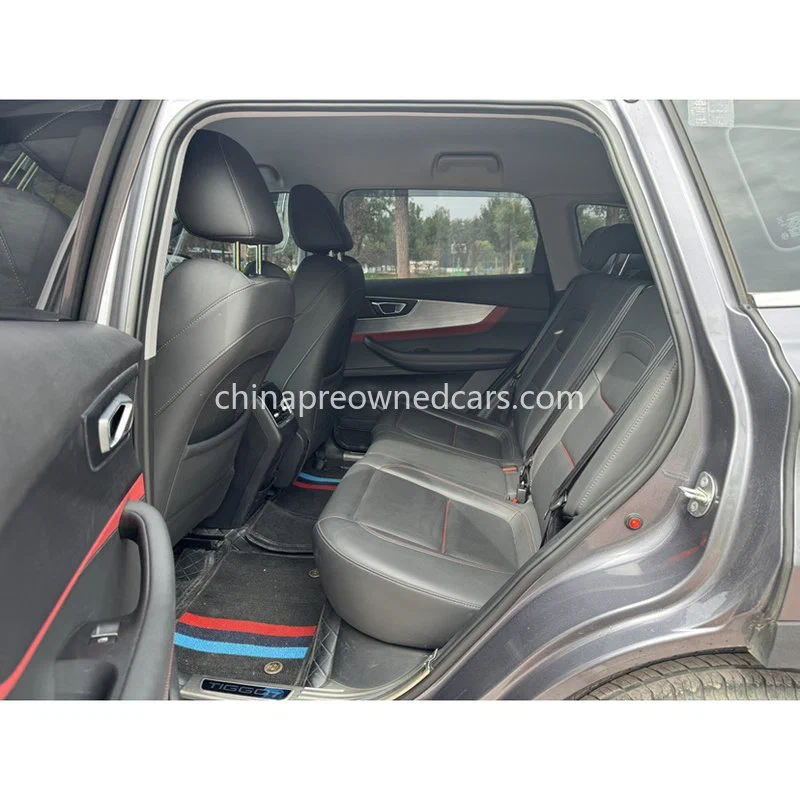
When importing left-hand-drive Chinese vehicles into West Africa and North Africa, the words used, certified, and pre-owned can affect how you judge risk, price, and expected condition. Before sending a deposit, buyers should focus on inspection records, vehicle history, landed cost, and the actual condition of the unit rather than the label alone.
What the labels really mean
A used vehicle is simply a car that has had a previous owner or operating period. It may be in excellent condition or require repairs, depending on mileage, maintenance, accident history, and storage conditions. For importers in Ghana, Nigeria, and other African markets, a low purchase price is only one part of the calculation. Customs duty, freight, port charges, clearance costs, and local preparation can significantly change the final landed cost.
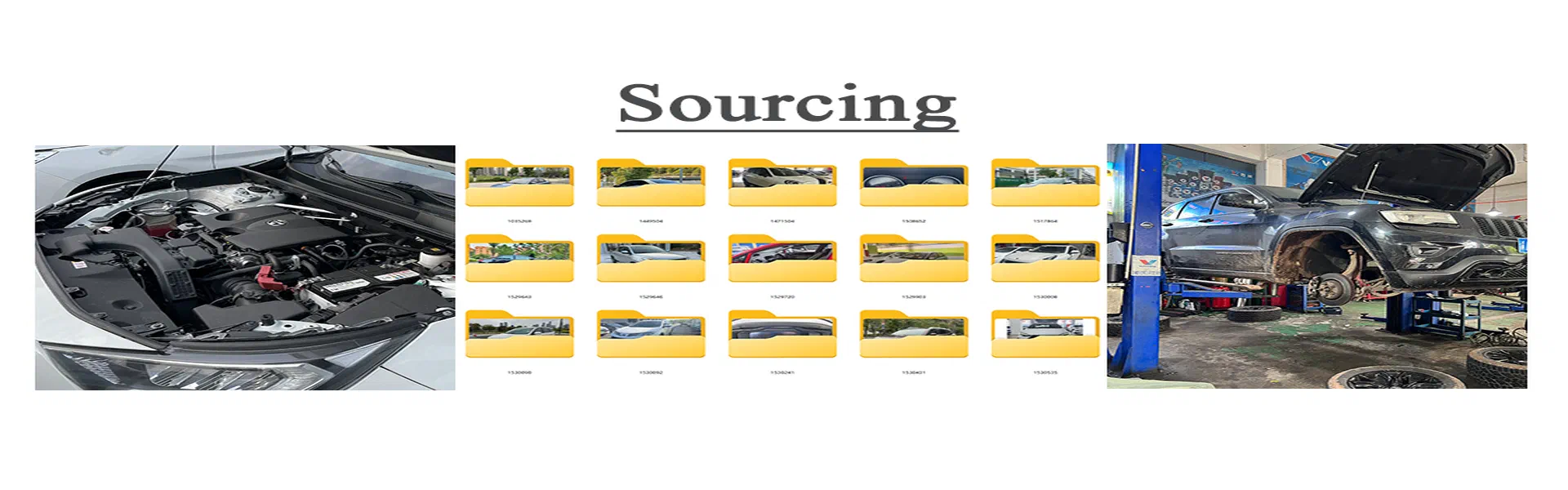
A certified pre-owned vehicle usually means the seller has completed a defined inspection process and confirmed certain standards. However, certification rules vary between exporters. Buyers should request the inspection checklist, photos, service records, mileage verification, and any repair details instead of assuming that “certified” guarantees a factory-like condition.
What matters before shipping from China
For dealers and fleet buyers, vehicle selection should be based on measurable information. A reliable supplier should provide details such as:
- Left-hand-drive configuration suitable for target markets
- Verified mileage and vehicle history
- Maintenance and service records where available
- Accident inspection results
- Battery health reports for electric vehicles
- Exterior and interior condition photos
- Spare parts availability and after-sales support
Shipping terms also affect the buying decision. Under FOB or CIF arrangements, buyers should understand which costs are included and which remain their responsibility. Freight method, such as RoRo or container shipping, can influence risk, timing, and total delivery expenses. Import duty and customs procedures in the destination country should be calculated before finalizing the purchase.
Choosing the right vehicle for resale or operations
The best import is not always the cheapest vehicle at the supplier yard. A model with strong resale value, reasonable fuel economy, available spare parts, and proven durability can produce better returns for a dealer or reduce operating costs for a fleet. Popular Chinese SUVs and passenger vehicles should be evaluated based on local customer demand, road conditions, and long-term ownership costs.
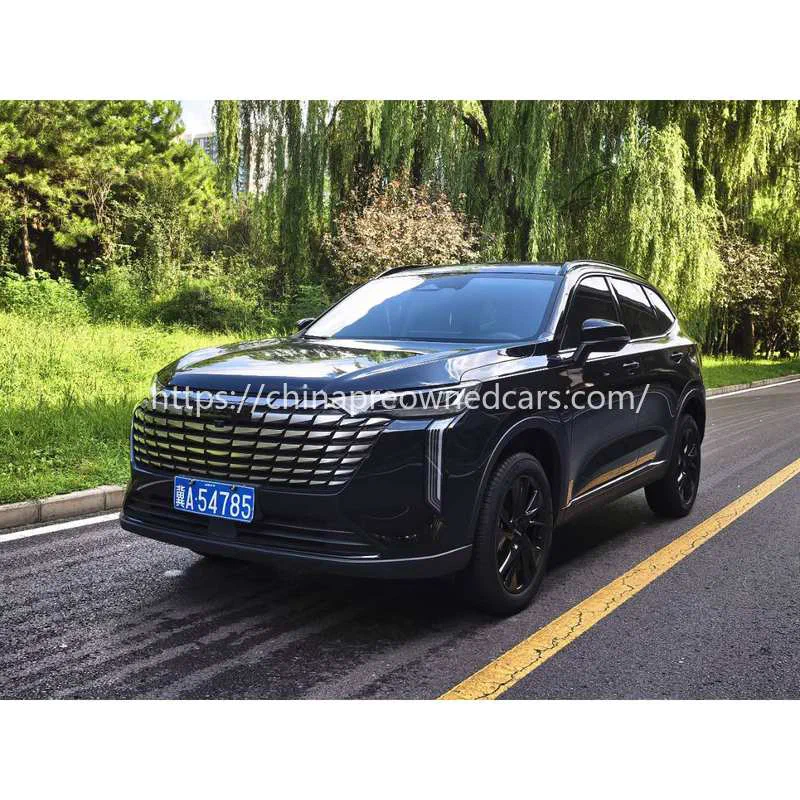
Before wiring a deposit, confirm the contract details, payment terms, shipping documents, and condition agreed with the exporter. A professional supplier should make the inspection process transparent and provide clear documentation from purchase to delivery.
FAQ
Q: Does “certified pre-owned” mean the vehicle has no problems? A: No. Certification depends on the seller’s inspection standard. Buyers should review inspection reports, service history, and vehicle photos before purchase.
Q: What costs should African importers calculate besides the vehicle price? A: Importers should include shipping, insurance if applicable, customs duty, port clearance fees, taxes, and local preparation costs when calculating the landed cost.
Q: Why is vehicle inspection important when buying from China? A: Inspection helps confirm mileage, condition, accident history, and specifications before payment and shipment.