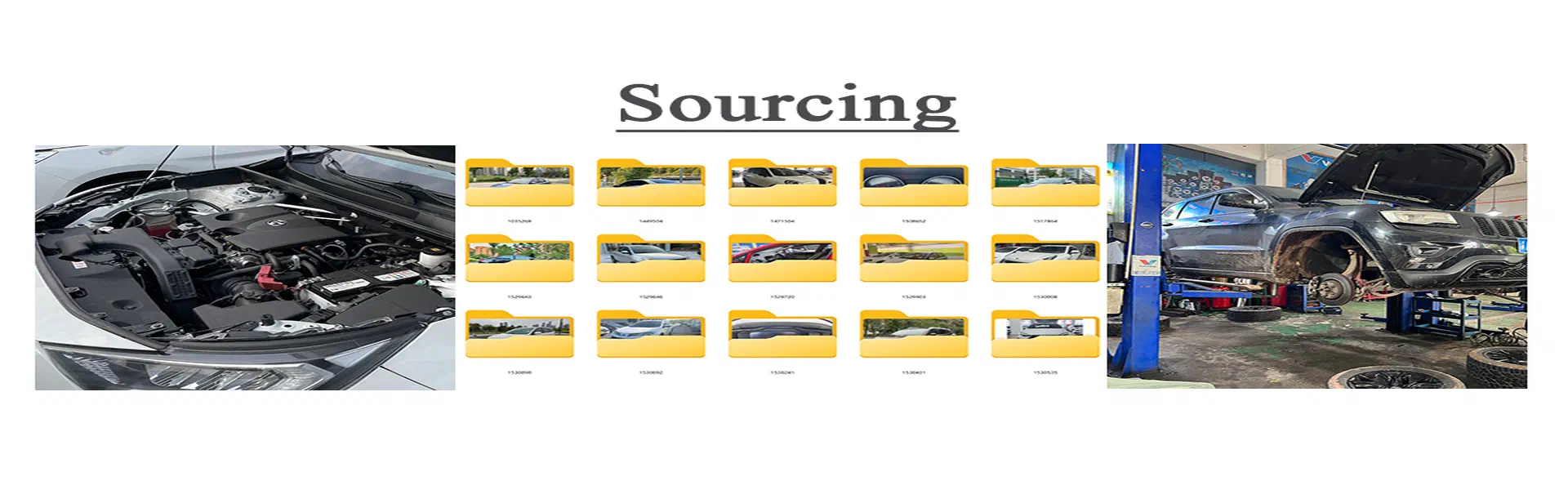
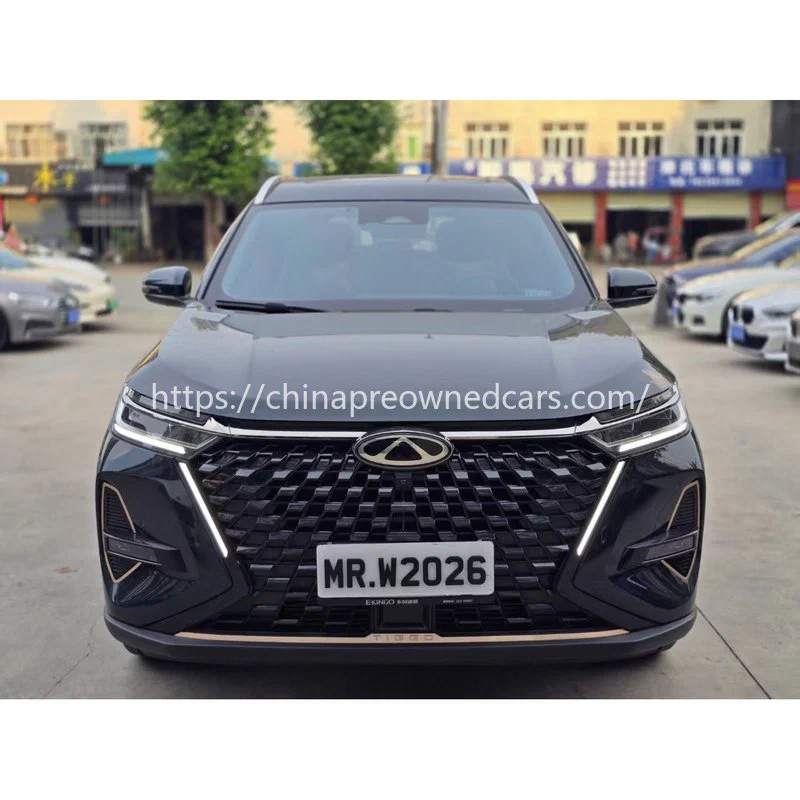
Sourcing a used vehicle from China involves more than selecting a model and agreeing on a purchase price. Buyers need to verify the vehicle’s history and condition, arrange pre-shipment inspection, prepare export documents, and select a shipping method that suits the vehicle and destination. Each stage affects the cost, timing, and risk of the transaction, particularly for shipments to Ghana, Nigeria, Kenya, Uganda, and Tanzania.
The sourcing process starts with choosing a supplier and confirming the vehicle’s identity. Buyers can use buy used cars websites to compare available models, specifications, photographs, and seller information, but an online listing is only the starting point. A dealer purchase may provide more direct communication about the vehicle’s background, while auction sourcing can offer access to a wider selection of pre-owned stock. Auction vehicles require particular attention because descriptions may be brief and inspection access can be limited. Before committing, request the VIN, registration details, manufacturing year, current mileage, service records where available, and photographs of the exterior, interior, engine compartment, and underbody. The VIN should match the vehicle documents and inspection records. Any discrepancy needs clarification before payment.
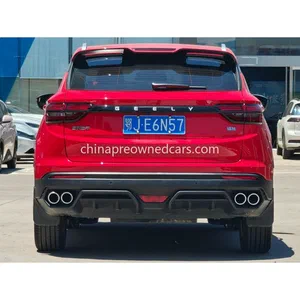
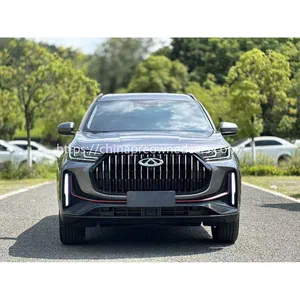
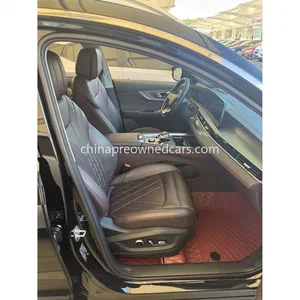
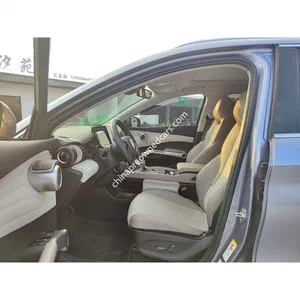
Mileage alone does not establish vehicle quality. A vehicle with relatively low recorded mileage may still have accident damage, poor maintenance, or prolonged storage-related deterioration. Buyers should compare the odometer reading with available service records, interior wear, tyre condition, and diagnostic information. Condition grading should describe identifiable defects rather than rely on broad labels such as excellent or good. A useful assessment separates exterior damage, interior wear, mechanical condition, electrical systems, and signs of previous repairs. For models such as the BYD Atto 3, battery condition deserves separate attention. Request available battery state-of-health information and diagnostic records, and check charging performance, warning messages, and the condition of charging equipment. For the Chery Tiggo 7 Plus, Chery Tiggo 8 Pro, Geely Coolray, and Haval H6, inspection should cover the engine, transmission, suspension, cooling system, and electronic controls. Buyers should receive dated photographs and a written inspection report before authorizing shipment.

Pre-shipment inspection takes place after the vehicle has been selected and before export arrangements are finalized. The inspection should establish whether the actual vehicle matches the agreed specification and identify defects that could affect its export or use after arrival. Typical checks include VIN and document consistency, odometer readings, bodywork, paint condition, glass, lights, tyres, brakes, steering, suspension, engine operation, transmission response, and dashboard warnings. Electronic diagnostics can help identify stored fault codes that may not appear during a short road test. Electric and hybrid vehicles require additional checks of the high-voltage system, battery condition, charging connections, and relevant safety components. The inspection report should record findings, not simply assign a passing label. Any required certification or inspection documentation must be confirmed against the applicable Chinese export process and destination-country rules. An ordinary condition report should not be mistaken for a government certificate or a guarantee of future performance.
Once the vehicle passes the agreed checks, the exporter prepares the documentation for customs declaration and shipment. China’s used vehicle export process requires the appropriate export licensing, customs declaration, and pre-shipment inspection arrangements. The document package commonly includes the commercial invoice, sales contract, vehicle registration or ownership documentation, export declaration information, certificate of origin where required, and bill of lading after loading. The VIN, vehicle description, declared value, consignee details, and shipment information should remain consistent across relevant documents. Errors can delay customs processing or create difficulties when the vehicle reaches the destination port. Buyers should also establish who is responsible for obtaining each document and whether originals, copies, translations, or additional attestations are needed. The certificate of origin may be relevant to import procedures and tariff treatment, but its acceptance and any preferential treatment depend on the destination’s current rules. Documentation should be checked before the vehicle is dispatched to the port, not after the vessel has departed.
Shipping method is another commercial decision. Roll-on/roll-off (RoRo) shipping is commonly suitable for operational vehicles that can be driven onto and off the vessel. It generally avoids the additional handling involved in container loading and can be economical for standard vehicle shipments. However, the vehicle is exposed to more port and vessel handling, and buyers should clarify the carrier’s rules for personal items, fuel levels, keys, and vehicle operating condition. Container shipping is often considered for higher-value vehicles, non-running units where accepted by the carrier, or shipments requiring enclosed transport. It provides physical enclosure during the sea journey, but loading, securing, unloading, and container handling introduce their own risks. The cost comparison should include inland transport, port handling, loading or securing charges, freight, insurance, and destination charges. Neither method removes the need for suitable cargo insurance and a documented pre-loading condition record.
Port handling connects the exporter’s work in China with the importer’s responsibilities at destination. After customs procedures and port acceptance, the vehicle is moved to the designated loading area, processed against shipping instructions, and loaded by the selected method. The shipping line or its agent issues the bill of lading, which records the shipment and identifies the relevant parties and transport details. Buyers should check the consignee name, notify party, destination port, vehicle description, and other particulars before accepting the final document. Transit time depends on the departure port, vessel schedule, transshipment arrangements, shipping method, and destination. Port congestion, customs examination, and documentation corrections can add further delays. The full lead time therefore includes sourcing, inspection, export preparation, inland movement, vessel scheduling, ocean transit, and destination clearance. A quoted sailing schedule is not the same as a confirmed vehicle delivery date.
Destination compliance must be checked before the purchase is finalized. Ghana, Nigeria, Kenya, Uganda, and Tanzania each apply their own import procedures, including rules concerning vehicle age, emissions, roadworthiness, duties, taxes, and documentation. These requirements can change, and buyers should confirm the current position with the relevant customs authority or a qualified local clearing agent. Left-hand drive is another important consideration. Most vehicles sourced from China’s domestic market are LHD, so buyers must verify whether that configuration is permitted and practical for their intended market. A vehicle that meets the export requirements in China is not automatically eligible for registration in the destination country. Payment terms should also be agreed in writing, covering the deposit, inspection approval, balance payment, document release, and responsibility for bank charges. Buyers should avoid paying the full balance solely on the strength of listing photographs. The purchase agreement should specify the vehicle identification details, agreed condition, inspection scope, shipping responsibilities, and remedies if the delivered vehicle materially differs from the documented specification. After-sales support should be discussed before shipment, including access to inspection records, available parts information, and assistance with export-document queries. For used EVs, battery transport arrangements and any carrier-specific restrictions should also be confirmed before booking.
FAQ
Q: What documents are required to export a used car from China?
A: Common documents include the commercial invoice, sales contract, vehicle ownership or registration records, customs declaration information, and bill of lading. A certificate of origin and other supporting documents may also be required depending on the destination country’s import procedures.
Q: Is RoRo or container shipping better for used car exports?
A: RoRo is generally suitable for operational vehicles and may reduce handling costs, while container shipping provides enclosed transport and can suit particular vehicle or shipment requirements. Buyers should compare total freight and handling charges, insurance coverage, carrier restrictions, and the condition of the vehicle before choosing.