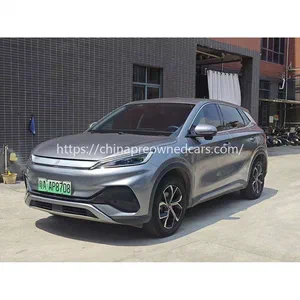

The BYD Atto 3 is a battery-electric SUV that requires a different sourcing and inspection process from a petrol vehicle. For overseas buyers sourcing used units from China, the main considerations are battery condition, vehicle history, charging compatibility, drive side and destination import rules. A careful assessment before purchase helps identify vehicles that are suitable for export and reduces the risk of unexpected costs after arrival.
Understanding the BYD Atto 3 Before Sourcing
The BYD Atto 3 uses a fully electric powertrain, with no petrol engine or conventional transmission. Its front-wheel-drive configuration is relevant when assessing traction and suitability for different road conditions. Buyers should confirm the exact production year, battery version and equipment specification of each unit, since these can differ across model years and domestic-market configurations.
Driving range deserves particular attention. Published range figures are based on defined testing conditions and should not be treated as guaranteed real-world performance. Air conditioning, vehicle load, driving speed, temperature and battery ageing all affect usable range. Buyers sourcing an Atto 3 should request the original battery specification and compare it with the vehicle’s current estimated range. For Ghana, Nigeria, Kenya, Uganda and Tanzania, the practical question is whether the available charging network supports the intended routes and daily operating pattern.
The Atto 3 is a left-hand-drive model in the Chinese domestic market, which suits buyers in markets where LHD vehicles are accepted. However, Kenya, Uganda and Tanzania operate left-side traffic systems, making steering position and local registration rules particularly important. Most Chinese domestic inventory is LHD. Buyers should confirm whether a specific vehicle can legally be registered before arranging payment or shipment.
How to Assess a Used Atto 3 in China
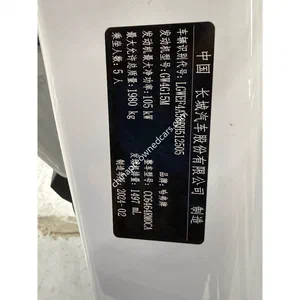
A proper sourcing assessment begins with the vehicle identification number (VIN), registration documents and ownership records. These should be checked against the vehicle itself. The buyer should establish whether the Atto 3 has been involved in a major collision, flood exposure, structural repair or insurance claim. Mileage is another important reference, but an odometer reading alone does not establish vehicle condition. Service records, inspection findings and available electronic vehicle data should be compared for consistency.
Battery health is the most important technical checkpoint. Ask for a recent battery state-of-health assessment rather than relying on the dashboard’s remaining driving range. The inspection should cover battery management system fault records, cell voltage differences, charging performance and any evidence of battery enclosure damage. Underbody inspection is particularly relevant because impacts from road debris or uneven surfaces can damage battery protection components. Any warning related to battery temperature, insulation resistance or charging should be investigated before purchase.
Condition grading provides a practical way to compare vehicles sourced from different sellers. A typical assessment may classify units as excellent, good, fair or requiring repair. An excellent-grade vehicle should have limited cosmetic wear and no identified major structural damage, while a good-grade unit may show normal use-related marks. Fair-grade vehicles may need cosmetic or mechanical attention. These descriptions are not universal certification standards. The exporter should provide photographs, inspection findings and a written explanation of any defects behind the assigned grade.
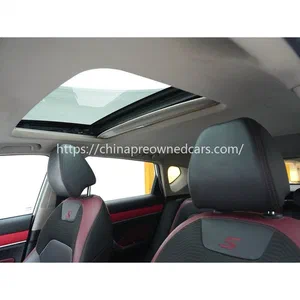
The phrase used car how to check should translate into a documented inspection rather than a visual assessment alone. A qualified inspector should examine the body panels, paint consistency, chassis, suspension, steering, tyres, brakes, cabin electronics and charging equipment. The Atto 3’s infotainment system, cameras, sensors, climate control and driver-assistance functions should also be tested. Buyers should request cold-start-equivalent electronic checks, diagnostic fault scans and photographs of the VIN plate and battery identification details. Any discrepancy between the inspection report and the seller’s description should be resolved before funds are released.
Sourcing, Payment and Export Preparation
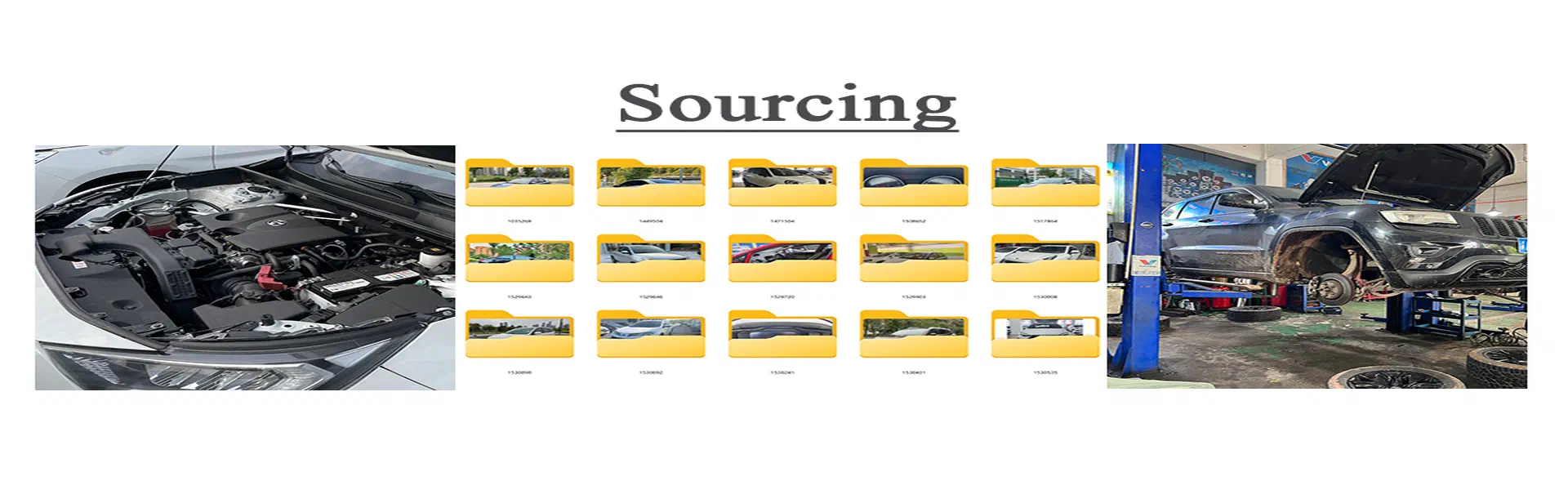
Dealer sourcing and auction sourcing involve different levels of risk. A dealer may provide more direct access to service records, vehicle demonstrations and additional inspection opportunities. However, the buyer still needs independent verification. Auction vehicles can offer access to a wider selection, but descriptions may be brief and repair histories less complete. Auction grading should not replace an independent inspection, particularly for electric vehicles. For the Atto 3, a low purchase price is not a sufficient reason to accept missing battery information or unclear ownership records.
Payment terms should be agreed in writing before the transaction proceeds. The purchase agreement should identify the exact vehicle, VIN, agreed condition grade, included equipment, inspection requirements and responsibility for export documentation. A practical arrangement is to complete vehicle verification before the final payment, with the payment schedule and any deposit conditions clearly stated. Buyers should also establish who pays for inspection, inland transport, port handling and shipping. These costs can materially change the landed cost.
Chinese used vehicle exports require the appropriate export licensing, customs declaration and pre-shipment inspection. Documentation should be checked for consistency across the purchase agreement, ownership records, export paperwork and shipping documents. The exporter then arranges shipment by Roll-on/Roll-off (RoRo) vessel or container. RoRo is generally suitable for operational vehicles that can be driven onto the vessel. Container shipping offers a different handling arrangement and may suit buyers who prefer enclosed transport or need to consolidate cargo. The choice depends on vessel availability, destination port arrangements and total logistics costs.
For the Atto 3, shipping preparation also involves battery-related requirements. The vehicle’s battery condition, charge level and transport classification may affect carrier acceptance and documentation. Buyers should confirm these requirements with the exporter and shipping provider before booking. At destination, import rules must be checked independently. Ghana, Nigeria, Kenya, Uganda and Tanzania may apply different vehicle age restrictions, inspection procedures, tax classifications and registration requirements. Emission rules for electric vehicles may differ from those for combustion vehicles, but this does not remove other import conditions. Charging connector compatibility, local service support and access to replacement components should also be assessed. Comparing the Atto 3 with combustion SUVs such as the Chery Tiggo 7 Plus, Geely Coolray and Haval H6 can help buyers determine whether an electric vehicle fits their operating conditions and maintenance arrangements.

FAQ
Q: What is the most important check when buying a used BYD Atto 3 from China?
A: Battery state of health is a priority, alongside VIN verification, mileage consistency and accident history. Buyers should obtain a diagnostic report and inspect the battery enclosure before confirming the purchase.
Q: Can a Chinese-market BYD Atto 3 be exported to African countries?
A: It can be considered for export to markets such as Ghana, Nigeria, Kenya, Uganda and Tanzania, subject to current import and registration rules. Buyers must verify steering position acceptance, vehicle age restrictions, documentation and charging compatibility before shipment.