Exporting a used SUV from China involves a series of detailed procedures that ensure compliance with regulations and meet the expectations of international buyers. This article outlines the key steps in pre-shipment inspection, export documentation, shipping methods, and port handling, offering practical insights for buyers sourcing vehicles through a used automobile dealership.
Pre-Shipment Inspection and Certification
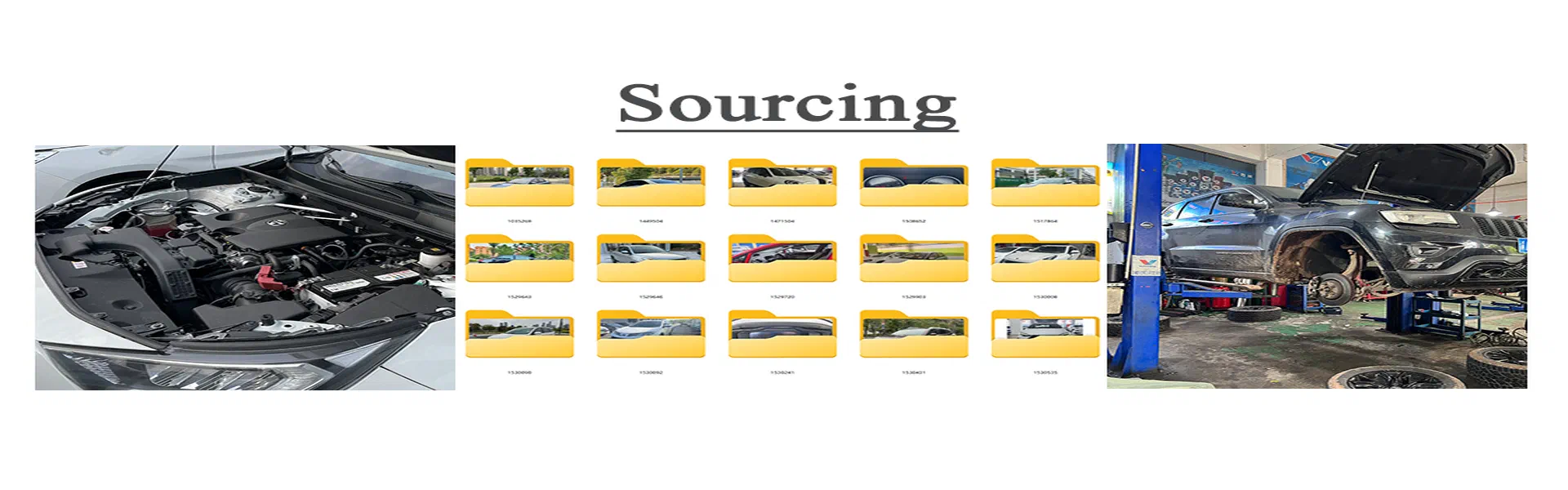
Before export, every vehicle undergoes mandatory pre-shipment inspection to confirm its condition and compliance with destination market requirements. Inspections typically evaluate the vehicle’s mechanical state, exterior condition, and interior features. For electric and hybrid SUVs like the BYD Atto 3 or Haval H6, battery state-of-health testing is crucial to assess performance and safety. Certification, issued by authorized inspection agencies, attests to the vehicle’s roadworthiness and conformity with local standards. Buyers should verify inspection certificates and match them against the vehicle identification number (VIN) to ensure accuracy.
Export Documentation

Once inspection is completed, the exporter prepares essential documentation for customs clearance and shipping. Key documents include the customs declaration, bill of lading, and certificate of origin, among others. Proper documentation ensures smooth processing at both the departure and arrival ports. For buyers, confirming these documents before shipment is critical; discrepancies can lead to delays or additional fees. Working with experienced exporters familiar with destination market requirements minimizes these risks.
Shipping Methods: RoRo vs Container
Vehicles are shipped either via roll-on/roll-off (RoRo) vessels or in containers, each method offering distinct advantages. RoRo shipping, where vehicles are driven directly onto the ship, is typically more cost-effective and faster. However, vehicles are exposed to potential exterior damage during transit. Container shipping provides higher protection by enclosing vehicles, making it suitable for higher-value units or destinations with rough transit conditions. Buyers should weigh cost, transit risks, and destination port facilities when choosing a shipping method.
Port Handling and Lead Times
At the destination port, vehicles undergo unloading, customs inspection, and final clearance before being handed over to buyers or their agents. Port handling efficiency varies by country; markets like Ghana or Kenya may have different customs processing times. Shipping lead times depend on vessel schedules, chosen shipping method, and port operations. Buyers should plan for an average lead time window and coordinate with the exporter to track shipments effectively.
Practical Buyer Guidance
Buyers sourcing through a used automobile dealership should verify the vehicle’s history, mileage, and condition grading. Inspection reports should be cross-checked against the VIN for consistency. Payment terms should be clearly understood, including deposit requirements and accepted currencies. Shipping lead times and after-sales support, such as assistance with spare parts or warranty claims, are essential considerations for long-term ownership. Buyers should also confirm destination market regulations, including vehicle age limits, emission standards, and roadworthiness requirements.
FAQ
Q: What does pre-shipment inspection cover?
A: It covers mechanical condition, exterior and interior state, and compliance with local market standards. For EVs, battery health is also assessed.
Q: Why is container shipping preferred for some markets?
A: It offers better protection against exterior damage, particularly for high-value vehicles or destinations with riskier transit conditions.
Q: How can buyers ensure documentation accuracy?
A: Buyers should cross-check all documents, especially the VIN and certification details, and work with experienced exporters to avoid discrepancies.