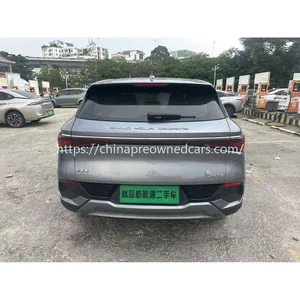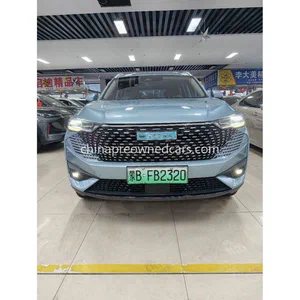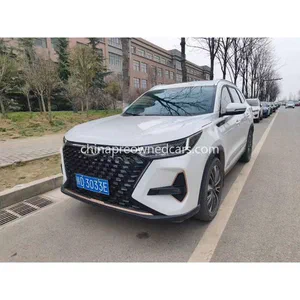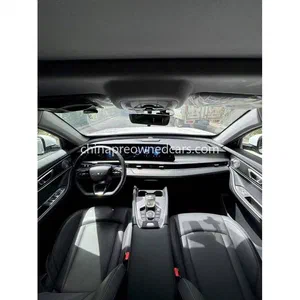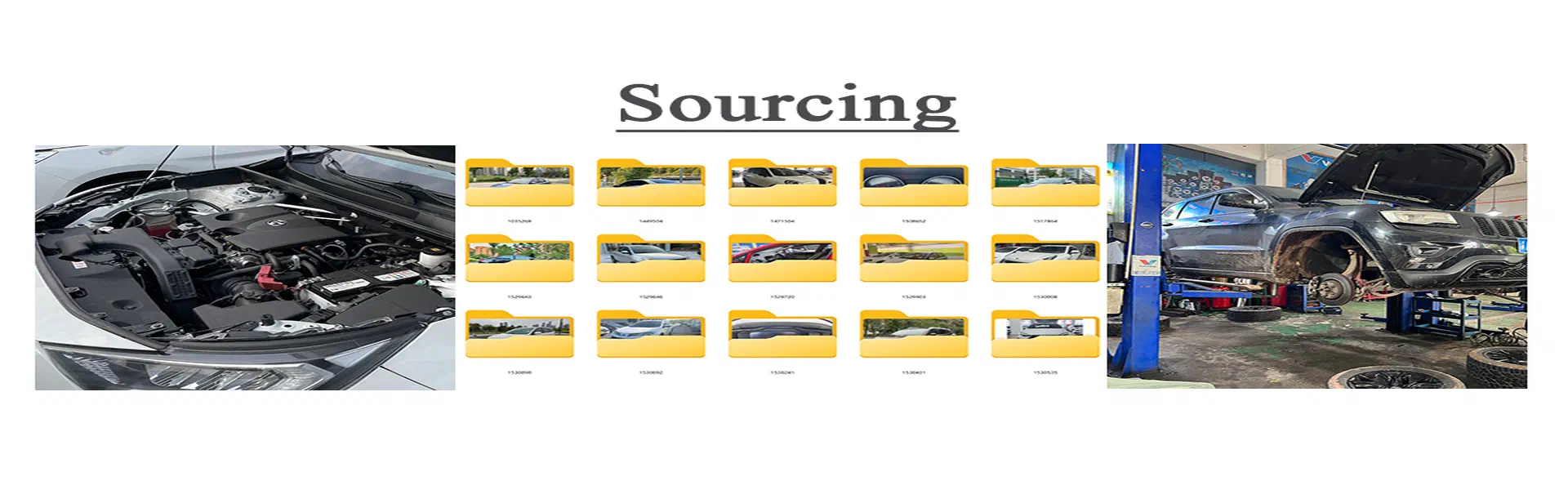
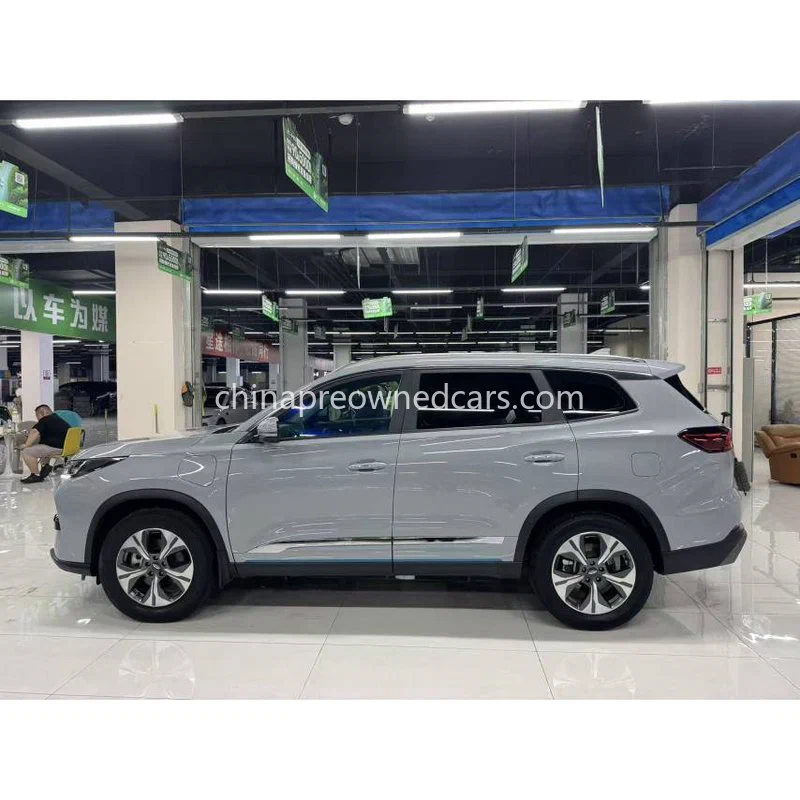
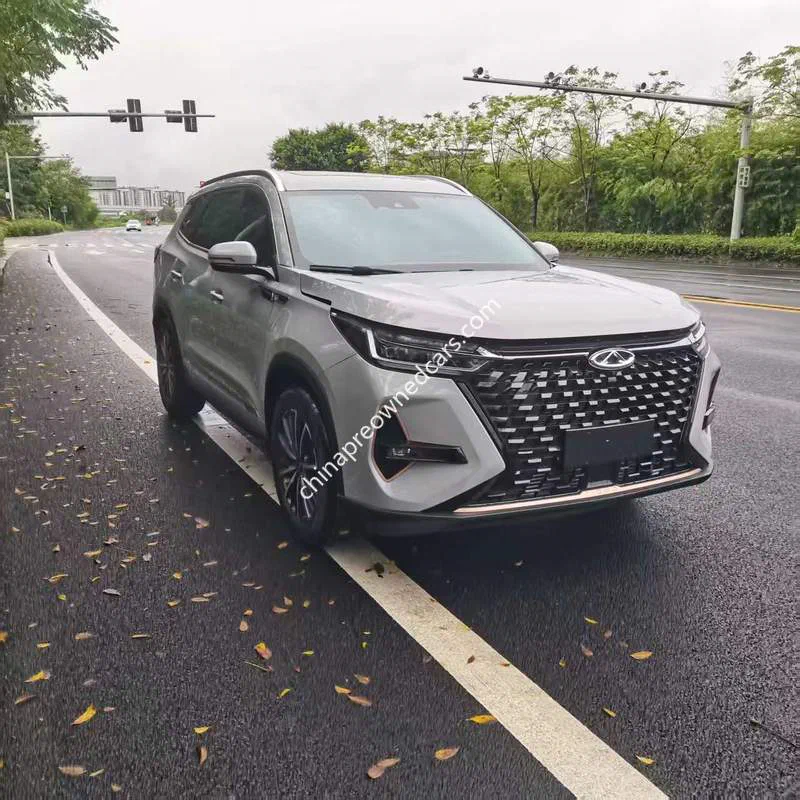
Exporting a second hand car electric requires more than checking body condition and odometer readings. Battery state of health, charging compatibility, transport classification and destination regulations all affect whether a vehicle is practical to import and resell. Buyers sourcing electric and hybrid SUVs from China should verify these factors before confirming a purchase or arranging shipment.
Battery health and export suitability
Battery state of health (SOH) estimates the battery’s remaining capacity relative to its original condition. It should be assessed alongside the vehicle’s reported mileage, service records and charging history. A diagnostic report can help identify capacity loss, cell-voltage imbalance and recorded battery faults, but its findings should be reviewed against the manufacturer’s specifications. A dashboard range estimate alone is not sufficient evidence of battery condition.
For models such as the BYD Atto 3, buyers should request a vehicle-specific diagnostic report and confirm whether the reported SOH comes from the battery management system or an independent test. The inspection should also cover the high-voltage system, charging inlet, onboard charger, cooling equipment where fitted, and visible signs of damage. Battery condition influences resale value because degradation reduces usable range and may increase future repair costs. Range should be assessed under realistic operating conditions, including air-conditioning use, road conditions, payload and local temperatures. Hybrid vehicles require additional checks of the combustion engine, transmission and hybrid battery.
Charging compatibility and shipping requirements
China-market electric vehicles commonly use GB/T charging connectors, while CCS1, CCS2 and CHAdeMO serve different vehicle and charging networks. Compatibility cannot be assumed from the destination country alone. Importers serving Ghana, Nigeria, Kenya, Uganda or Tanzania should verify the exact connector fitted to the vehicle, local charger availability, supported charging protocols and any practical limits of adapters. An adapter does not guarantee compatibility with every charging station. Buyers should also check whether local workshops can diagnose the vehicle and source replacement charging components.
Battery transport needs separate attention. Lithium-ion batteries shipped as cargo may fall under UN 3480 when transported separately, while vehicles containing installed batteries are generally classified under UN 3556 when powered by lithium-ion batteries under the applicable dangerous-goods framework. The shipping classification, documentation, battery condition requirements and carrier acceptance must be confirmed for the actual consignment. Exporters also need the required export licensing, customs declaration and pre-shipment inspection arrangements. RoRo shipping may suit operational vehicles accepted by the carrier, while container shipping can offer different handling and protection options. The choice depends on carrier rules, vehicle dimensions, route and cost.
Pre-purchase checks for overseas buyers
Before payment, request the VIN, dated photographs, diagnostic results, service history where available, charging test evidence and a written description of known faults. Confirm whether the vehicle is fully electric or hybrid, its original market specification, charging connector and included accessories. Inspection findings describe the vehicle at the time of examination; they do not guarantee future performance. Buyers should also establish what the seller’s condition grading covers and whether the report identifies battery capacity or merely records that the vehicle starts and drives.
Destination compliance is equally important. Most Chinese domestic vehicles are left-hand drive, so importers must verify whether LHD vehicles are permitted for registration and road use in the intended market. Age limits, emissions rules for hybrids, roadworthiness requirements and import procedures can change. Confirm current requirements with local authorities or a qualified customs broker before shipment. For electric vehicles, check the availability of suitable charging points and replacement parts, since limited charging access can reduce buyer demand and resale value even when battery health is acceptable.

FAQ
Q: Is battery state of health enough to assess a used electric vehicle?
A: No. SOH should be considered alongside diagnostic fault codes, charging performance, service history and physical inspection of the high-voltage system.
Q: Can every Chinese electric vehicle charge at public stations in Africa?
A: No. Compatibility depends on the vehicle’s connector and charging protocol, the station’s equipment and local infrastructure, so these should be verified before purchase.