Judge a used car website by what it refuses to leave out. Photographs and a price are easy; every listing has those. The four facts that decide whether a vehicle is worth importing are the ones that cost the seller something to publish.
The four facts a listing owes you
A verified odometer reading, described as verified. “40,000 km” is a claim. “Odometer verified genuine at 40,000 km” is a statement someone has staked their credibility on. The difference in wording is the difference in meaning.
Registration date, not just model year. A car registered in June 2024 and a 2024 model registered in December are different assets for depreciation, warranty and — under China’s export rules since 1 January 2026 — for whether a manufacturer after-sales confirmation letter is required at all. Registration within 180 days of export application triggers that requirement.
Named defects. Repainted panels, replaced components, previous repair work. A listing describing a used car with no imperfections whatsoever is either describing an unusually good car or omitting things.
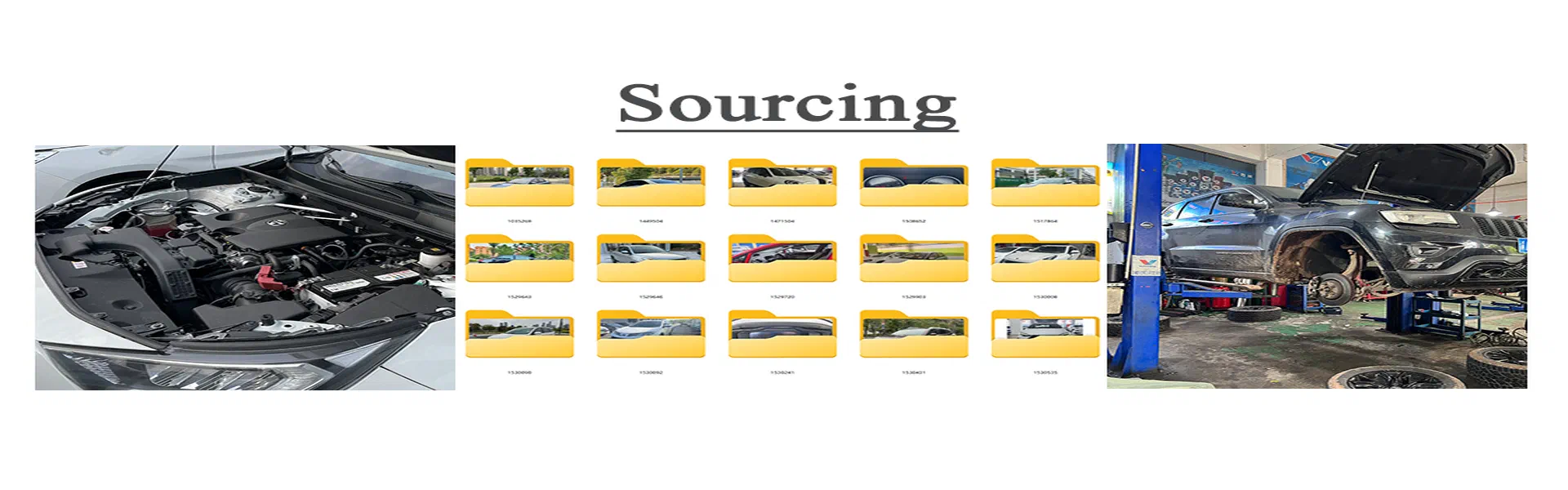
Who inspected it, and can you read the report. Not “fully inspected” — which body, and is the document available.
What the silences tell you
A missing VIN or chassis number means you cannot pre-check duty. Ghana’s ICUMS assesses duty from the chassis number or VIN plus make, model and year, so without it you cannot estimate landed cost before committing.
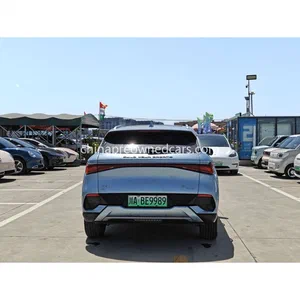
A single wide-angle photograph of each side usually means panel-level detail was not wanted in the record. Look for wheel-arch, sill, boot-well and engine-bay shots.
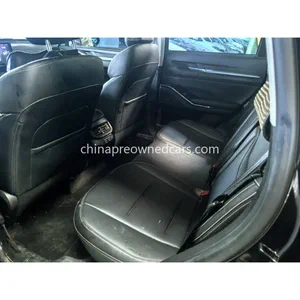
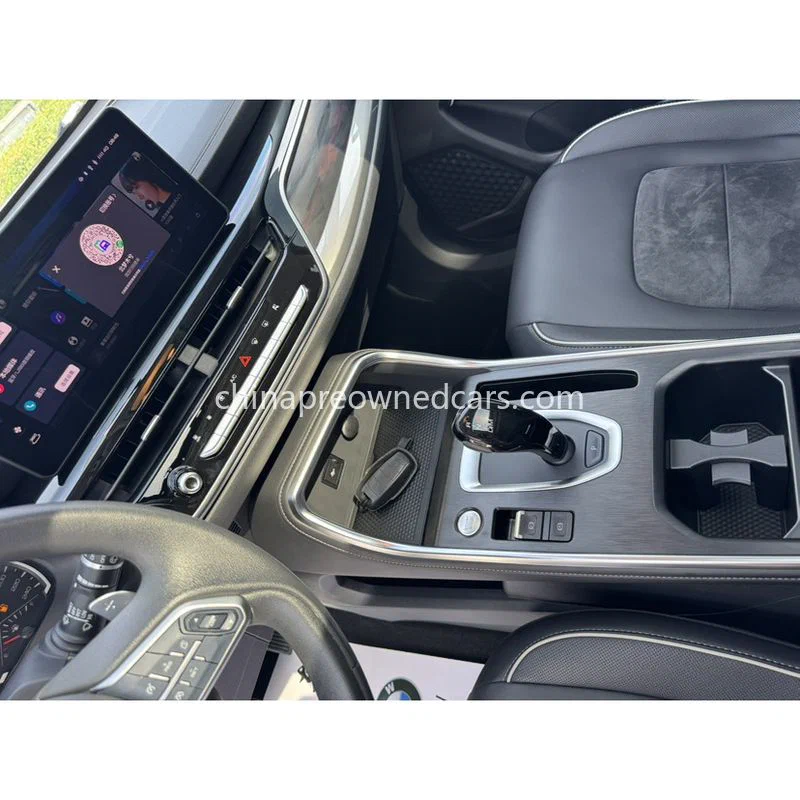
No mention of trim level means the specification is negotiable after you have paid. On Chinese cars trim differences are large — heated and ventilated seats, 360-degree cameras, autonomous emergency braking, panoramic roofs all vary by trim within the same model year.
No stated location or readiness means you do not know whether the car exists where the seller says it does.
How we publish, and why
Every unit on our site carries the vehicle’s own stock number as its identifier, because that number is the only reliable way to distinguish two same-model, same-colour cars. Change the identifier and you have changed the car.
Each listing states model year, trim in full, verified mileage, colour, FOB Nansha price, registration month, engine, transmission, location and readiness — plus a condition list written in plain sentences and an inspection statement naming that an independent third-party report accompanies the vehicle.
Where a car has had paintwork, a replaced part or previous repair, that goes in the condition list. We would rather lose an enquiry to honest disclosure than win it and spend three months arguing at a port.
Prices carry the date they were listed. After a month our pages automatically flag that the figure may have moved rather than presenting a stale number as current — because a price without a date is not information.
What no website can tell you
Your landed cost, exactly. A site can show FOB and estimate duty. The figure that counts comes from your clearing agent against the actual valuation for your VIN. Anyone publishing an exact duty figure for an unfiled shipment is guessing.
Whether the car suits your buyer. Ground clearance, cooling and parts availability depend on the roads and the workshops your customer actually uses.
Compliance for your specific import. From 1 October 2026 Ghana requires a Certificate of Conformance issued in the country of origin by a GSA-approved body, per vehicle, before shipment. A listing can tell you a car is eligible. Only the certificate makes it importable.
Reading a platform against a dealer
Platform listings are more consistent in format. Dealer listings often carry more specific knowledge because someone has physically owned the car.
Format consistency is not accuracy. A standardised report from a body you cannot evaluate is not better evidence than a detailed description from a seller who answers questions. Ask both the same question — what did the inspection find that you would rather it had not — and compare the answers.
Common questions
Q: What makes a good used car website? A: Verified mileage described as verified, registration dates, named defects, a readable inspection report, and prices that carry a date.
Q: Why do listings omit the VIN? A: Sometimes privacy, sometimes because it prevents independent checking. You need it to estimate duty in Ghana’s ICUMS, so ask for it before committing.
Q: Should I trust a listing with no reported flaws? A: On a used car, treat it as a prompt for questions rather than good news. Ask specifically about paint, panel replacement and previous repair.
Q: Can I see the inspection report before paying? A: You should be able to. If a seller will not share the report before payment, that is a decision they have made about the transaction.