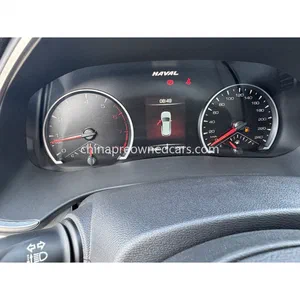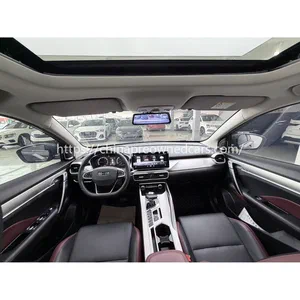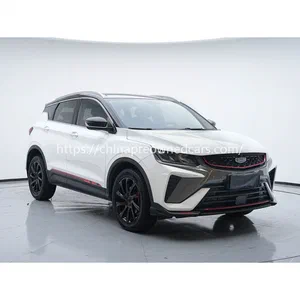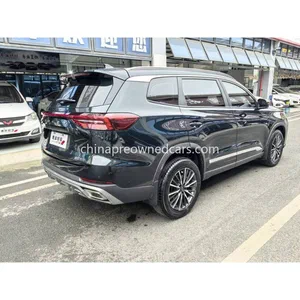

When deciding between RoRo and container shipping for importing a used vehicle from China, buyers must weigh factors like cost, security, and practicality. RoRo shipping, where vehicles are driven directly onto specialized ships, is typically more economical and faster for single units. Container shipping offers greater protection against environmental exposure and theft, making it suitable for high-value vehicles or bulk shipments. Understanding these options is critical when sourcing vehicles like the BYD Atto 3 or Haval H6 from exporters in China.
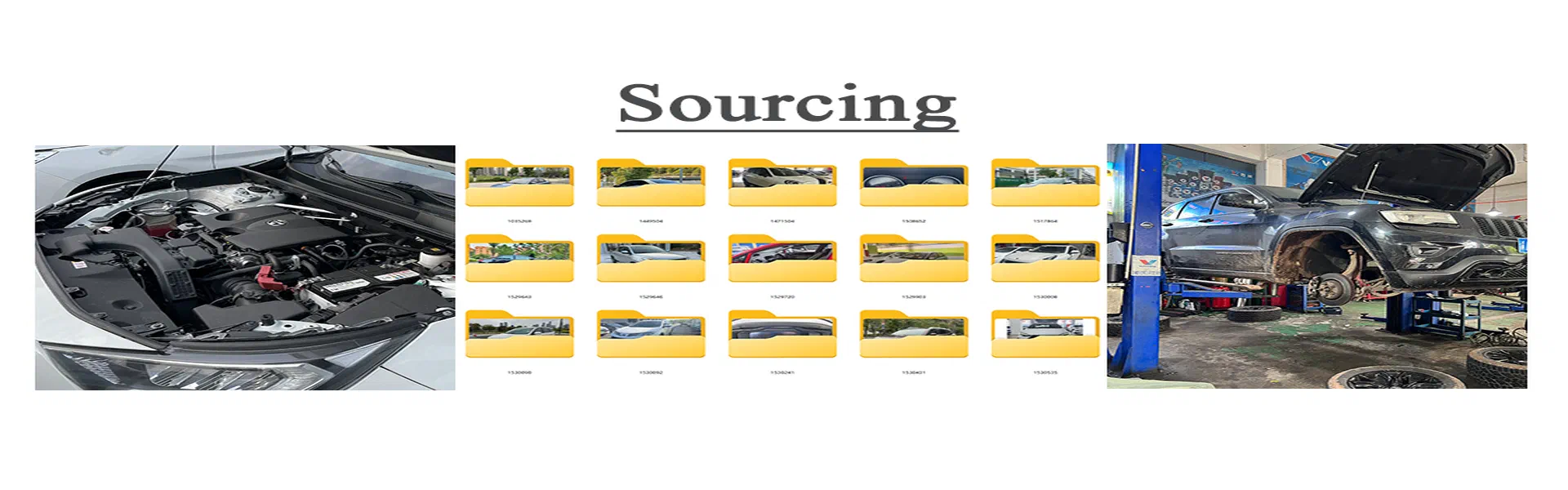
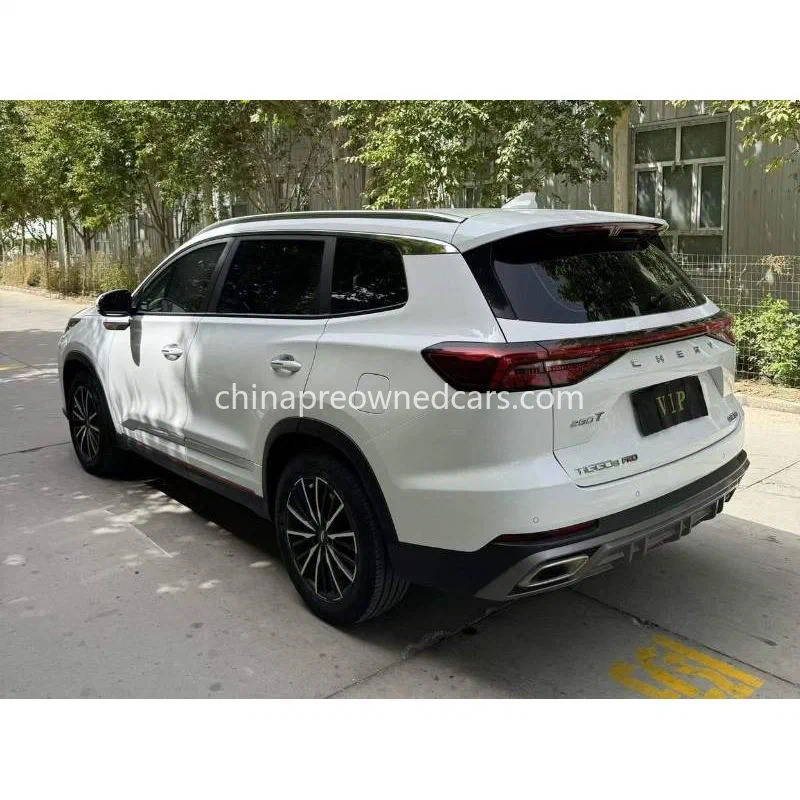
Before committing to a purchase, buyers should verify the vehicle’s condition comprehensively. Key checks include mileage, service history, accident record, and battery health for electric models. For instance, a Chery Tiggo 8 Pro’s battery state-of-health can significantly impact long-term usability. Additionally, confirm the VIN authenticity to ensure the vehicle has not been tampered with. Reliable exporters provide detailed inspection reports, which are essential for evaluating condition grading prior to export. Buyers should request these along with the export license, customs clearance paperwork, and shipping documentation.
Assessing the exporter’s credibility is equally important. Look for exporters with a proven track record, strong customer references, and clear communication channels. Payment terms should be carefully reviewed; standard practice often involves a deposit followed by final payment upon shipping confirmation. Buyers should beware of hidden costs or rushed timelines, as these can signal potential issues. A trustworthy exporter will maintain transparency about shipping lead times and costs for RoRo and container options.
Export logistics demand careful coordination, especially for markets in Africa like Ghana or Kenya. Vehicles sourced from China are predominantly left-hand drive, which aligns with import regulations for most African countries but not all. Buyers must confirm current requirements regarding vehicle age limits, emissions standards, and roadworthiness rules. Pre-shipment inspection is mandatory, ensuring compliance with destination regulations. RoRo shipping is generally preferred for its efficiency, though container shipping may be advised for sensitive cargo.
Common challenges include delays in customs clearance and discrepancies in inspection reports. Buyers should ensure all documentation provided by the exporter is accurate and complete to avoid such issues. After-sales support is another factor to consider, especially for hybrid SUVs and electric models like the Geely Coolray. Spare parts availability and charging infrastructure in the destination market can directly affect usability. Proper planning mitigates risks and facilitates a smoother import process.

FAQ
Q: What’s the main advantage of RoRo shipping? A: RoRo shipping is cost-effective and quicker for single vehicle shipments, making it ideal for standard exports.
Q: How can I verify battery health in a used electric vehicle? A: Request a detailed battery state-of-health report from the exporter and confirm the inspection details.
Q: What documents should I expect from an exporter in China? A: Inspection report, export license, customs clearance paperwork, and shipping documentation are essential.