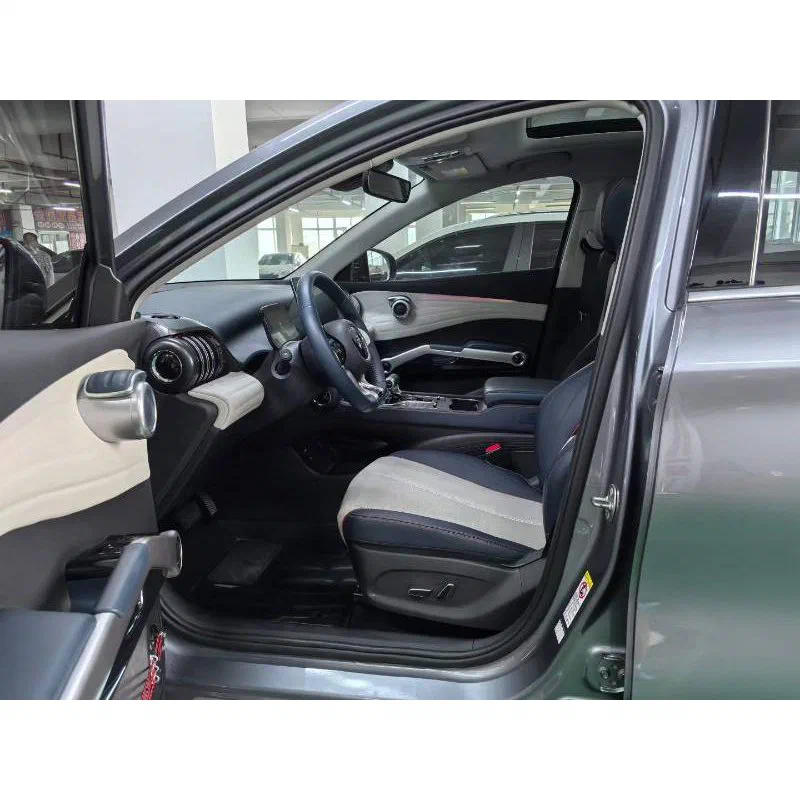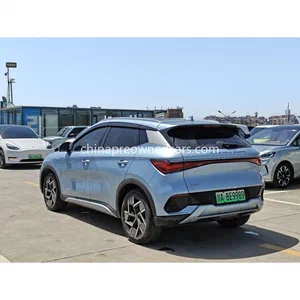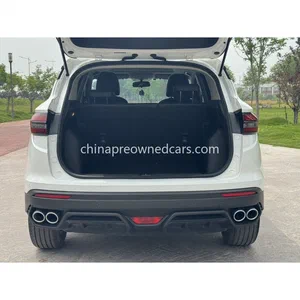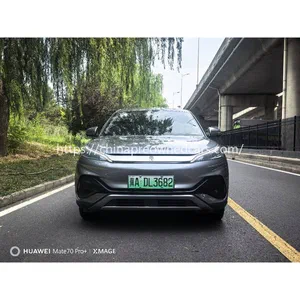
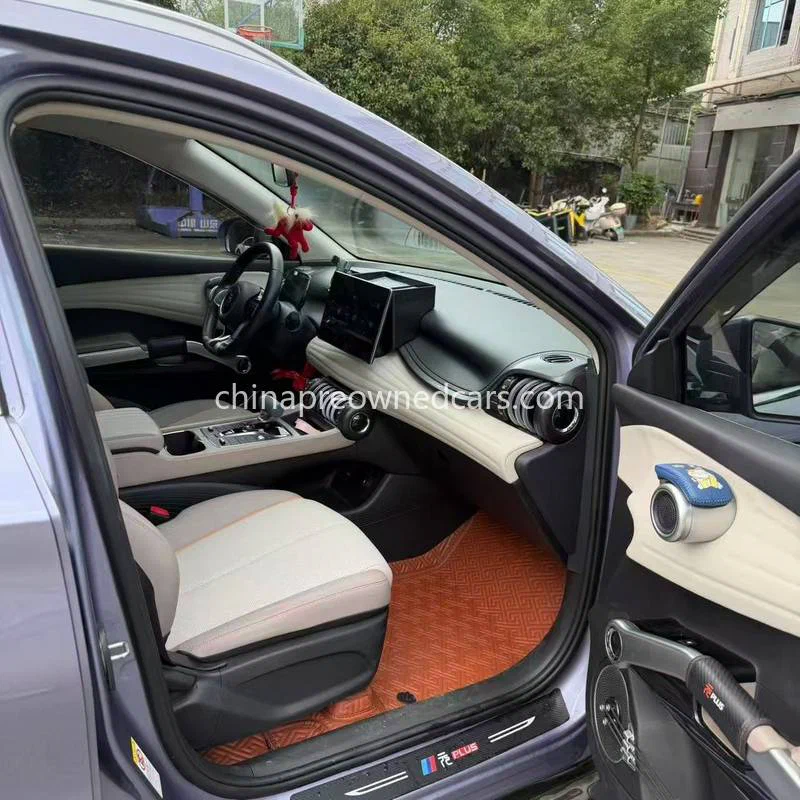
African markets present unique demands on imported vehicles, particularly hybrid SUVs. Buyers in Ghana, Nigeria, Kenya, Uganda, and Tanzania must consider factors such as left-hand drive compatibility, age and emission limits, and road conditions. Hybrid SUVs like the BYD Atto 3, Chery Tiggo 7 Plus, and Haval H6 offer a balance of fuel efficiency and durability, suited to regions with mixed urban and rural infrastructure. These models are also well-matched to the growing interest in new energy vehicles, though charging infrastructure remains uneven across the continent.
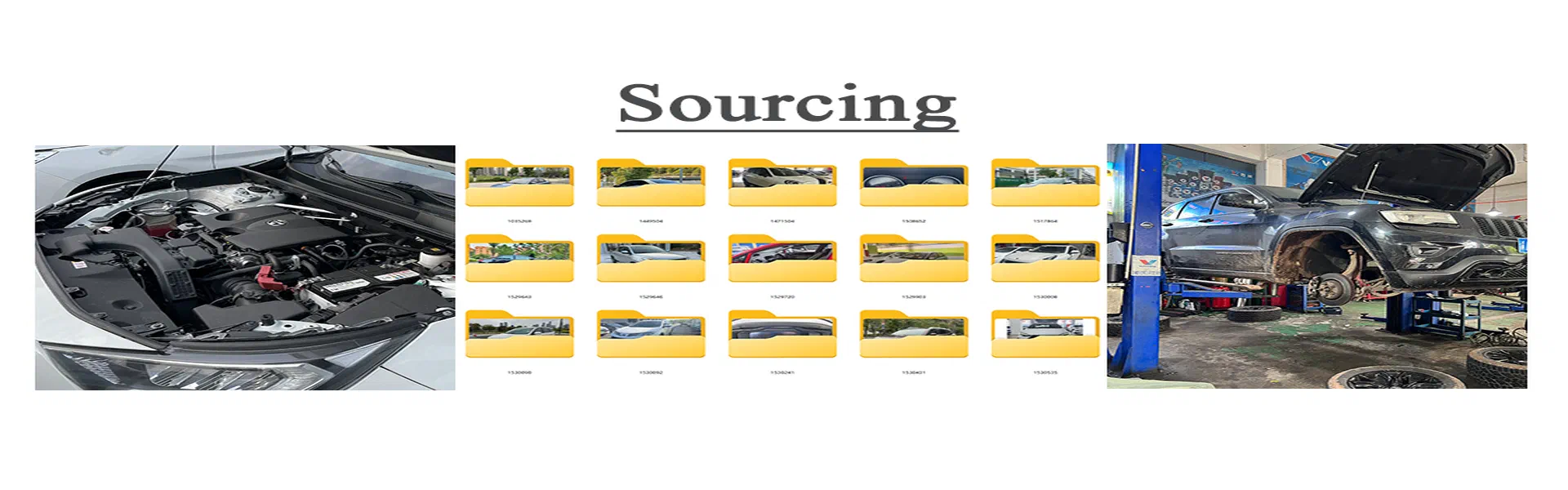
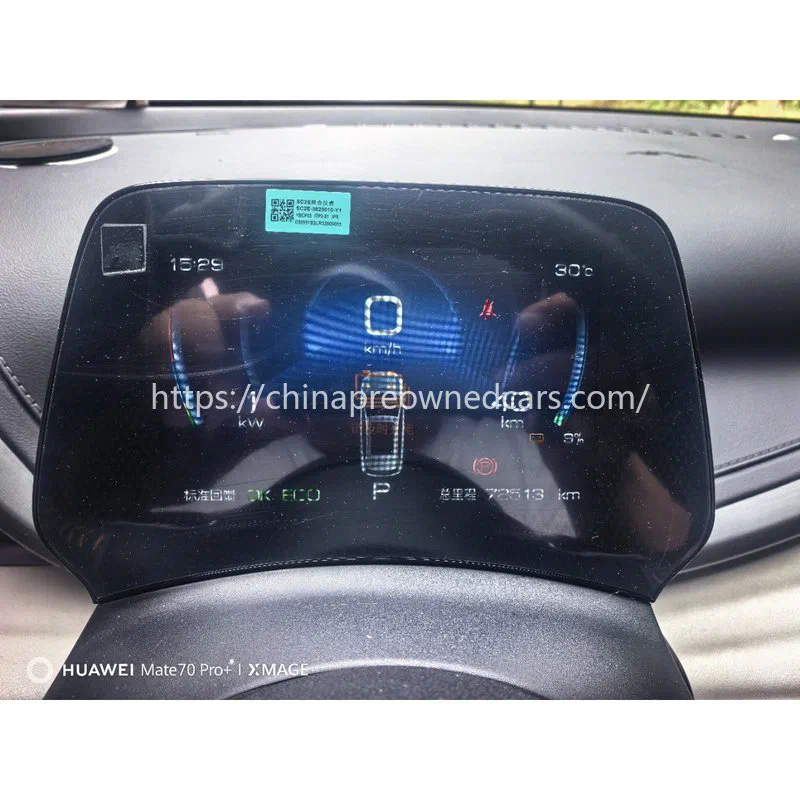
Before purchasing, verifying a vehicle’s condition and history is a critical step. Exporters typically provide condition grading and pre-shipment inspection, but buyers should confirm key details such as mileage, service history, and any prior damage. For hybrid SUVs, battery state-of-health is particularly important, as replacement costs can be significant. Ensuring compatibility with local import regulations—including permissible vehicle age and emission standards—will avoid complications at customs. Most vehicles in this exporter’s inventory are left-hand drive, aligning with the region’s road requirements, but buyers should still check specific market needs.

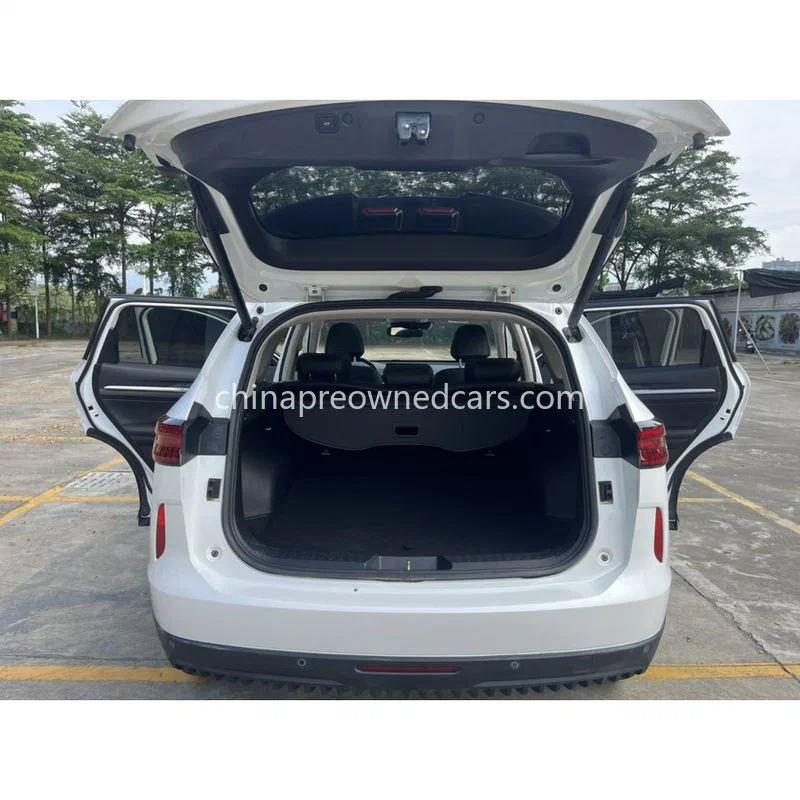
Shipping options, documentation, and payment terms are also practical considerations. Hybrid SUVs can ship via RoRo for cost efficiency or in containers for added security. Buyers should confirm that the exporter handles customs clearance, export licensing, and any required inspection reports. Payment terms may include partial prepayment with balance on delivery, but buyers must clarify this upfront. Lead times typically depend on shipping schedules, so planning ahead is essential. After-sales support, particularly for hybrid systems, can add long-term value, making reputable exporters a priority.
FAQ
Q: What should I verify about a hybrid SUV’s battery before purchase?
A: Check the battery’s state-of-health and confirm it meets acceptable performance levels, as replacement costs can be high.
Q: How do I ensure a vehicle meets my market’s import regulations?
A: Research your country’s current rules on vehicle age, emissions, and roadworthiness, and confirm that the exporter provides compliant documentation.