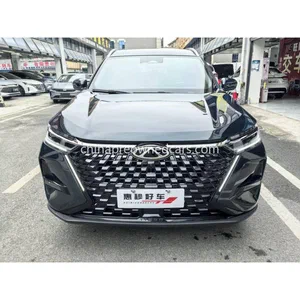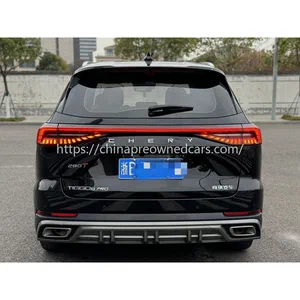
When assessing the cost of exporting used electric or hybrid SUVs from China, several technical and logistical factors require careful attention. These include the battery’s state of health, compatibility of charging connectors with the destination market, adherence to international battery transport regulations, and the infrastructure for EV charging in the target region. Each of these elements can influence not only the upfront cost but also the long-term value of the vehicle in the export market.
Battery State-of-Health and Longevity
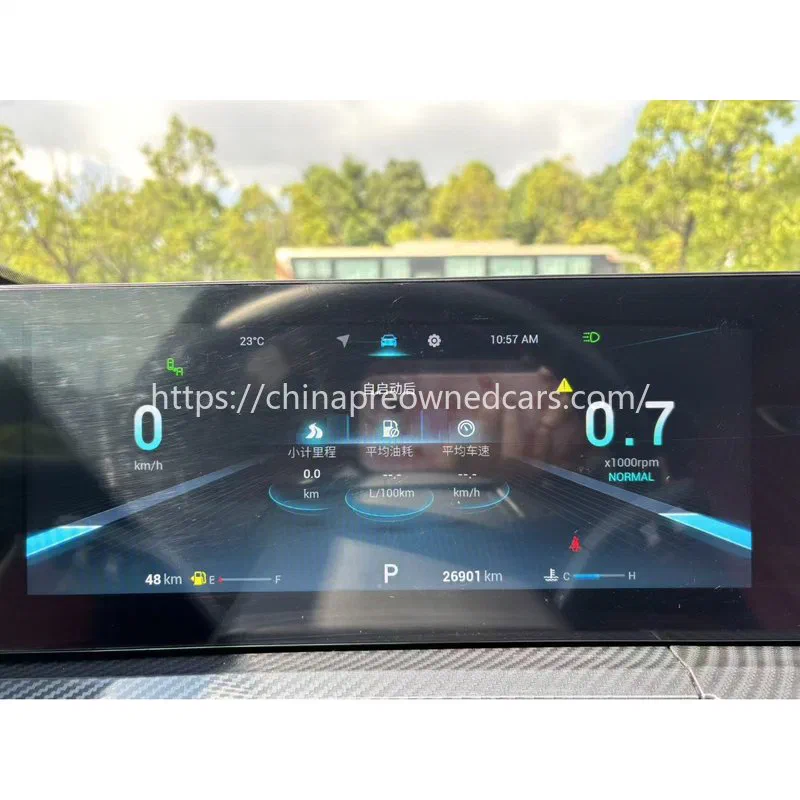
For electric and hybrid vehicles, the battery state-of-health (SOH) is a primary determinant of cost and resale value. Buyers should obtain detailed records on the battery’s age, number of charge cycles, and capacity retention. A battery with significant degradation will not only reduce the vehicle’s range but may also necessitate costly replacement, impacting profitability. Some exporters use diagnostic tools to measure SOH, but buyers should request the specific data and, if possible, verify it independently.
Charging Connector Standards
Charging compatibility is a critical consideration for EV exports. Chinese-market EVs typically use the GB/T charging standard, which may not align with the infrastructure in all destination markets. For example, while parts of Africa are beginning to adopt CCS or CHAdeMO standards, GB/T chargers are still uncommon. Buyers may need to budget for adapter solutions or confirm local compatibility before completing a purchase. Understanding the charging ecosystem in the destination market is essential to avoid costly retrofits or limited usability.
Battery Transportation and Safety Regulations
Lithium-ion batteries, classified as dangerous goods under UN 3480, require specific precautions during transport. This is especially important for sea freight, which is the most common mode of export. Compliance with international shipping regulations, including proper packaging, labeling, and documentation, is mandatory. Buyers should confirm that the exporter complies with all relevant safety protocols and provides the necessary paperwork, as non-compliance may result in delays, fines, or seizure of goods.
Destination Charging Infrastructure

The availability of charging infrastructure in the target market significantly affects the operational practicality and resale value of EVs. Markets like Kenya and Ghana are making strides in EV adoption, but charging networks are still under development. Buyers targeting such markets should consider whether the vehicles being sourced will be viable for daily use and whether additional investments in home charging solutions or public infrastructure are required.
Range and Battery Degradation
Range is a critical factor for EVs, particularly in regions where charging stations are sparse. Used vehicles may have a diminished range due to battery degradation, which is exacerbated by factors such as frequent fast charging or operation in extreme temperatures. Buyers should verify the original range specifications and compare them with the current range performance to assess suitability for the destination market. Inaccurate range expectations can lead to poor customer satisfaction and reduced resale potential.
Vehicle History and Condition Grading
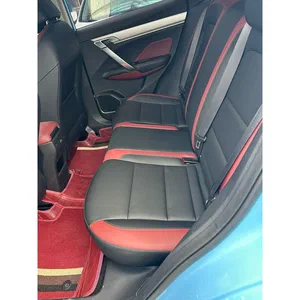
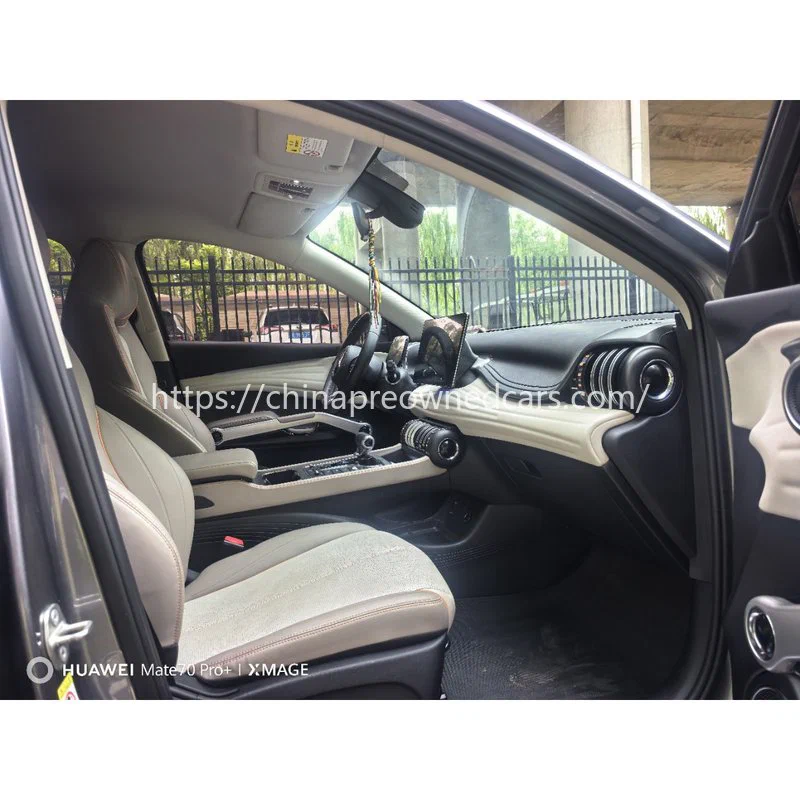
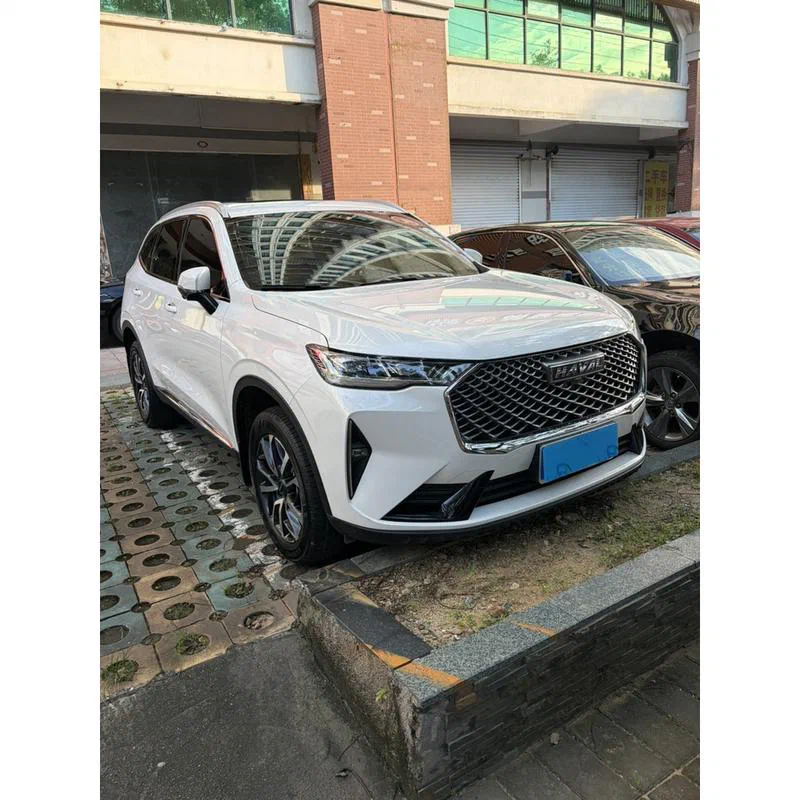
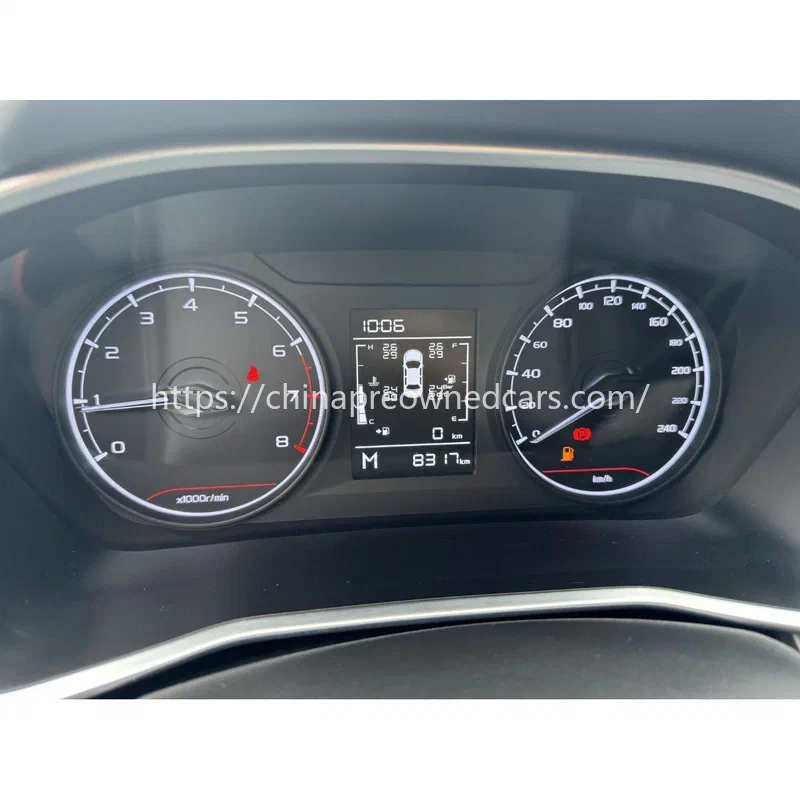
Before purchasing, buyers should assess the overall condition of the vehicle, including mileage, accident history, and maintenance records. Exporters like ChinaPreOwnedCars.com often provide condition grading and third-party inspection reports, but buyers should ensure these align with their standards. A thorough pre-shipment inspection can identify potential issues, such as hidden damage or non-operational systems, that could result in unexpected costs upon arrival.
Payment Terms and Shipping Lead Times
The financial terms and logistics of the purchase can also impact the overall cost. Buyers should verify the payment structure, whether it’s a lump sum or staged payments, and ensure that terms for refunds or disputes are clear. Shipping lead times can vary based on the mode of transport (RoRo or container) and the destination port’s efficiency. A typical shipping timeline ranges from several weeks to two months, depending on the route and handling at both ends.
FAQ
Q: What is the typical lifespan of a used EV battery?
A: The lifespan of an EV battery varies but is often between 8-15 years, depending on usage, maintenance, and environmental conditions.
Q: Can Chinese EVs with GB/T connectors be used in markets like Ghana or Kenya?
A: GB/T connectors are less common in these markets. Buyers should verify compatibility with local charging stations or consider purchasing adapters.