
Exporting electric and hybrid vehicles involves several technical considerations that are crucial for ensuring compliance with regulations and meeting market needs. This article discusses key aspects such as battery assessment, charging standards, and practical steps for sourcing these vehicles for export, particularly focusing on the African, Middle Eastern, and South American markets.
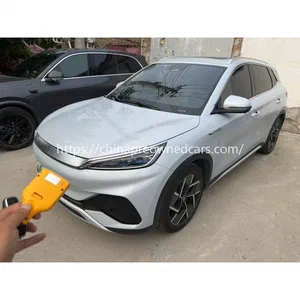
Assessing the state of health of a vehicle’s battery is essential before purchase. Buyers must check the battery capacity and degradation levels since these factors directly influence the vehicle’s performance and resale value. Many used electric vehicles, such as those from BYD and Chery, will have varying battery states based on their usage history. Verifying battery health using diagnostics tools or reports from previous owners helps ensure that the vehicle will meet the operational standards expected in the destination market.
Charging infrastructure is another critical aspect to consider. Different markets utilize varying charging standards, such as GB/T, CCS, and CHAdeMO. Buyers should confirm which standard is prevalent in their target market to avoid compatibility issues. For instance, while CCS is commonly used in many European countries, GB/T is standard in China. Ensuring that the vehicles sourced are compatible with the charging networks in their intended markets will facilitate easier adoption and usage.
When exporting vehicles, compliance with battery transport regulations is paramount. Vehicles containing lithium-ion batteries, classified as UN 3480 dangerous goods, require specific handling and documentation during shipping. Exporters must ensure that appropriate packaging, labeling, and declarations are in place to avoid complications during transit. This is particularly relevant for electric vehicles, where battery state and transport regulations differ significantly from those for combustion engine vehicles.
Range and battery degradation also impact the resale value of electric vehicles in export markets. Buyers should assess the expected range of the EV models they are interested in and consider how battery health may affect this over time. A vehicle with significant degradation may not perform well in markets where long-range travel is common. Understanding these factors will help buyers make informed decisions about the suitability of vehicles for their markets.

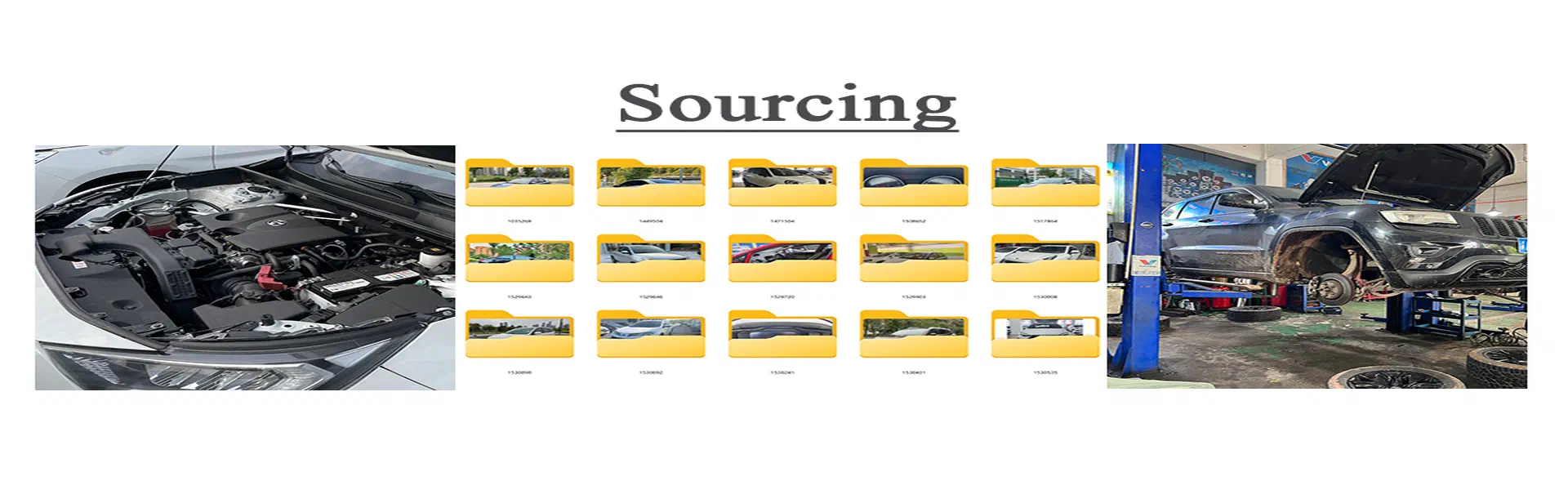
Sourcing electric vehicles can be done through either dealers or auctions. Each method has its pros and cons. While dealers may provide more comprehensive vehicle histories and after-sales support, auctions can offer lower prices. Buyers should consider their specific needs and the reputation of the sellers. Whichever sourcing method is chosen, a thorough inspection process is crucial. This includes verifying the VIN, reviewing the vehicle history, and confirming the condition grading.
Finally, understanding payment terms and shipping lead times is essential when exporting used electric vehicles. Payment methods may vary, and buyers should ensure they are comfortable with the terms before proceeding. Shipping can typically take 15-25 days depending on the method chosen, such as RoRo (Roll-on/Roll-off) or container shipping. Each option has its own logistical considerations, so selecting the right method based on budget and urgency is important for a smooth transaction.
FAQ
Q: What should I check before purchasing an electric vehicle for export? A: Verify the vehicle’s battery state of health, mileage, condition grading, and ensure it meets the charging standards of your target market.
Q: What are the common methods for sourcing used electric vehicles? A: Vehicles can be sourced from dealers, who may offer more detailed histories and support, or through auctions, often at lower prices but with less assurance of condition.