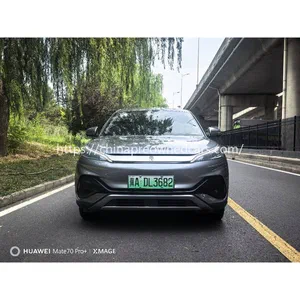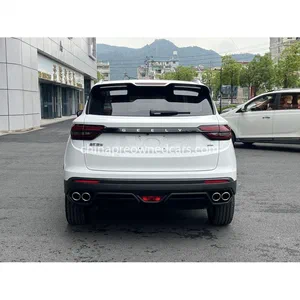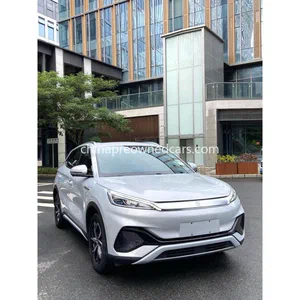
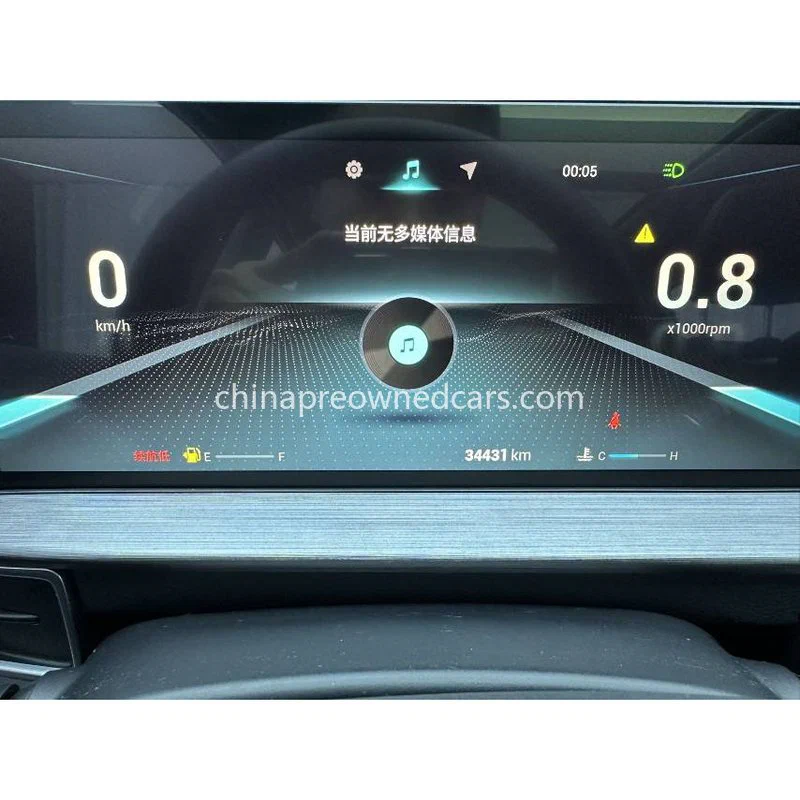
Hybrid and internal combustion engine (ICE) SUVs offer distinct advantages for export markets, particularly for off-road use. This article examines key factors influencing the choice between these powertrain options, focusing on suitability for African markets such as Ghana, Nigeria, and Kenya. For buyers sourcing from China, understanding these differences is vital for selecting vehicles like the BYD Atto 3, Haval H6, or Chery Tiggo models.
Hybrid SUVs combine electric motors with combustion engines, offering better fuel efficiency compared to traditional ICE vehicles. This advantage can translate into lower running costs in regions where fuel prices are high or supply is unpredictable. However, hybrids require compatible charging infrastructure for optimal use, which may be limited in some rural or off-road areas. On the other hand, ICE SUVs like the Haval H6 or Chery Tiggo 8 Pro provide simpler maintenance and wider availability of spare parts in many export destinations, making them more practical where service networks for hybrid technology are underdeveloped.

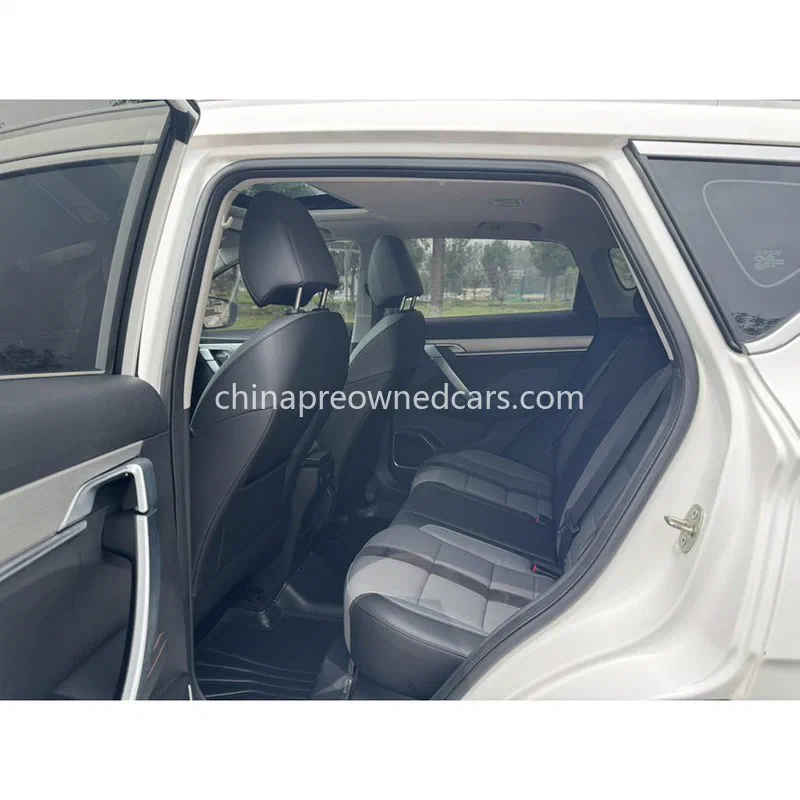
Emission standards and import regulations significantly affect the viability of vehicle exports. Hybrid SUVs often meet stricter emission requirements, which can be a deciding factor for buyers targeting countries with tighter environmental standards. For example, the BYD Atto 3 meets advanced emission norms and is equipped with an electric-only mode suitable for urban areas. Conversely, ICE SUVs may face restrictions based on vehicle age or emissions compliance, especially as many African nations adopt Euro-standard benchmarks. Buyers should confirm the latest rules for their destination market before making a purchase.
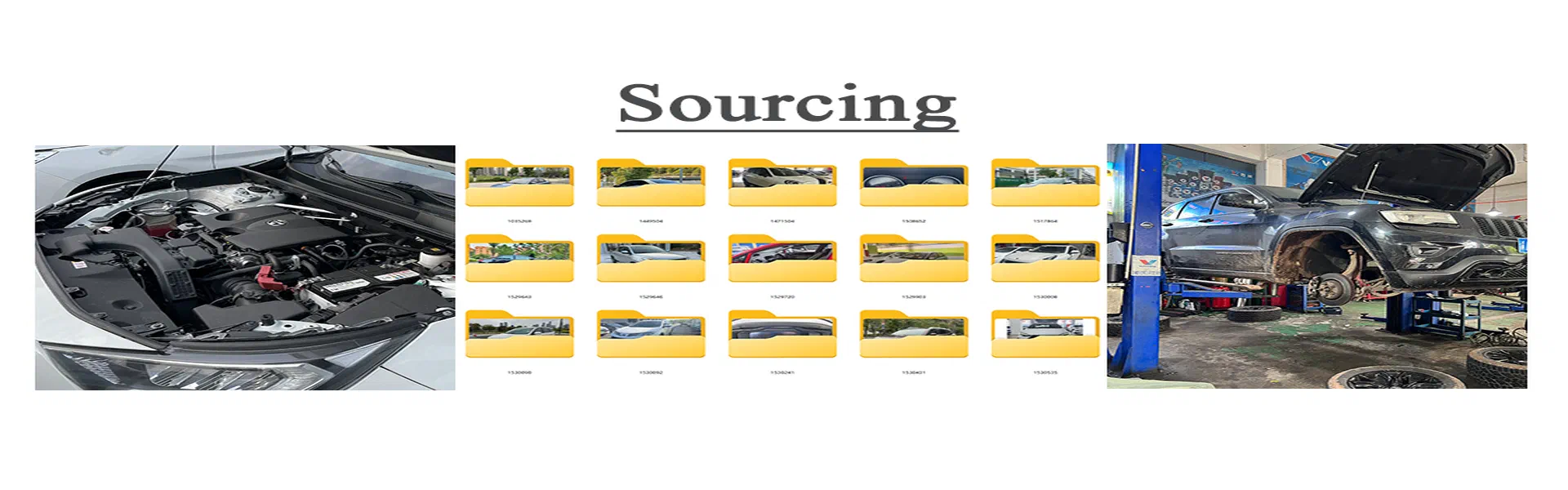
The choice of left-hand versus right-hand drive also matters. Most Chinese domestic vehicles, including those in this exporter’s inventory, are left-hand drive. This fits markets like Ghana and Nigeria but excludes purely right-hand-drive destinations unless vehicles are specifically sourced. Buyers should also verify mileage and condition grading during the pre-purchase inspection process to ensure suitability for rugged terrain and off-road applications.
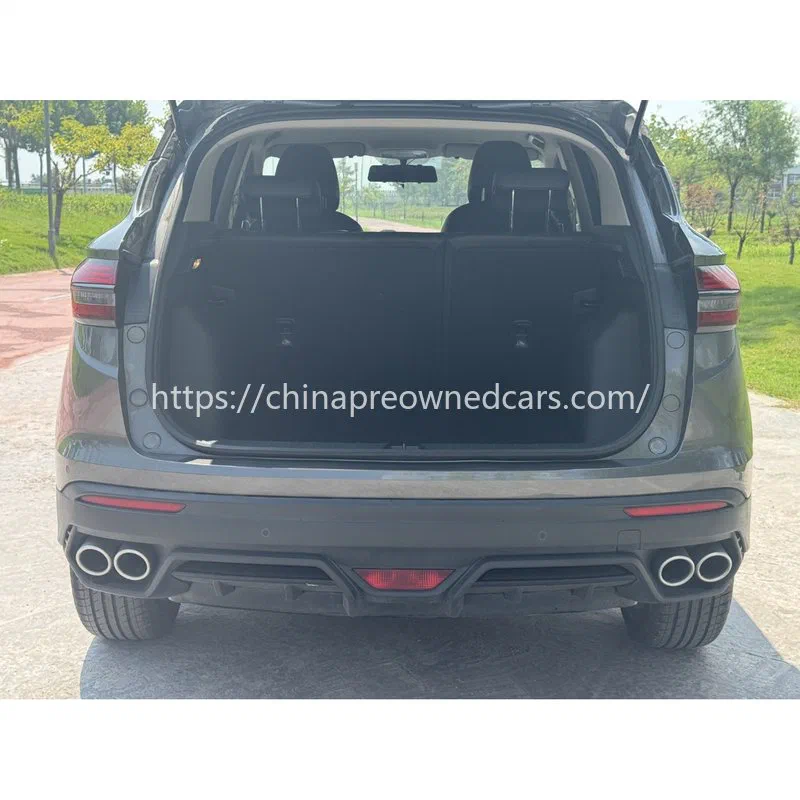
Shipping and export logistics further complicate the decision. Hybrid SUVs, especially electric models, require battery state-of-health verification and adherence to international battery transport regulations, adding a layer of complexity. ICE SUVs, shipped via RoRo or container methods, face fewer such challenges. Regardless of the choice, buyers must ensure all export documentation, customs clearance, and pre-shipment inspections are completed to avoid delays at destination ports.
FAQ
Q: Are hybrid SUVs suitable for off-road use in rural Africa?
A: Hybrids can be suitable, but their effectiveness depends on the availability of charging infrastructure. ICE SUVs may offer easier maintenance in remote areas.
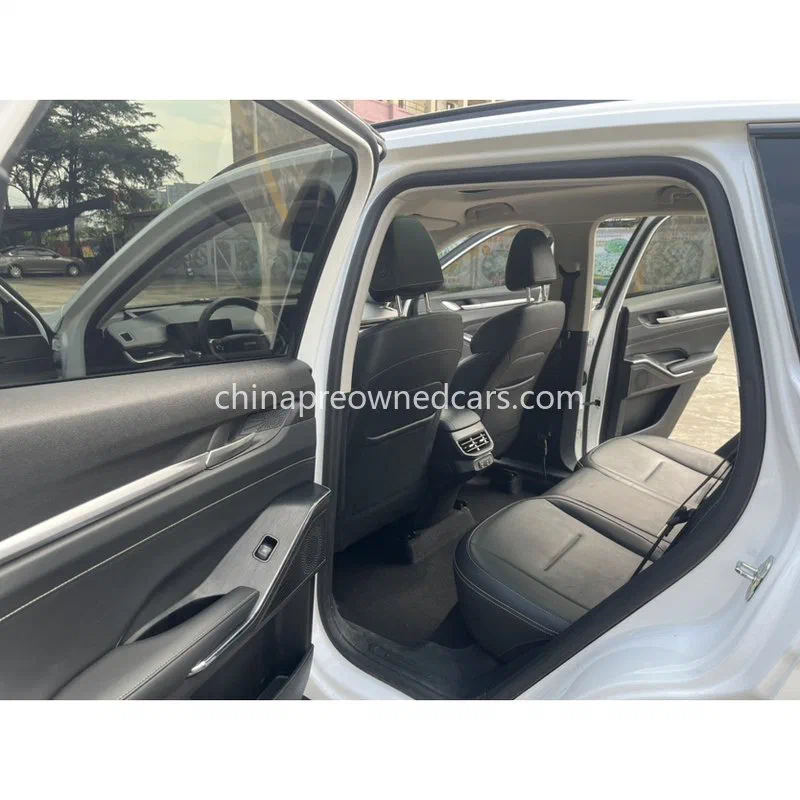
Q: What should I verify before purchasing a used hybrid SUV from China?
A: Check the vehicle’s battery state of health, mileage, and compatibility with emission standards in the target market.