Assessing the condition of a used SUV is a crucial step in determining its market value and suitability for export. Buyers need to understand how condition grading works, what inspections cover, and the limitations of guarantees. This article explains practical steps to evaluate pre-owned vehicles and highlights the importance of verifying claims before purchase.
Key Factors in Vehicle Condition Grading
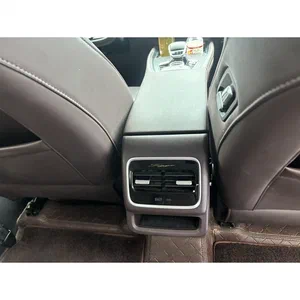
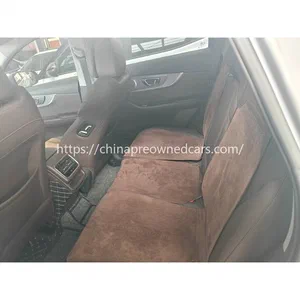
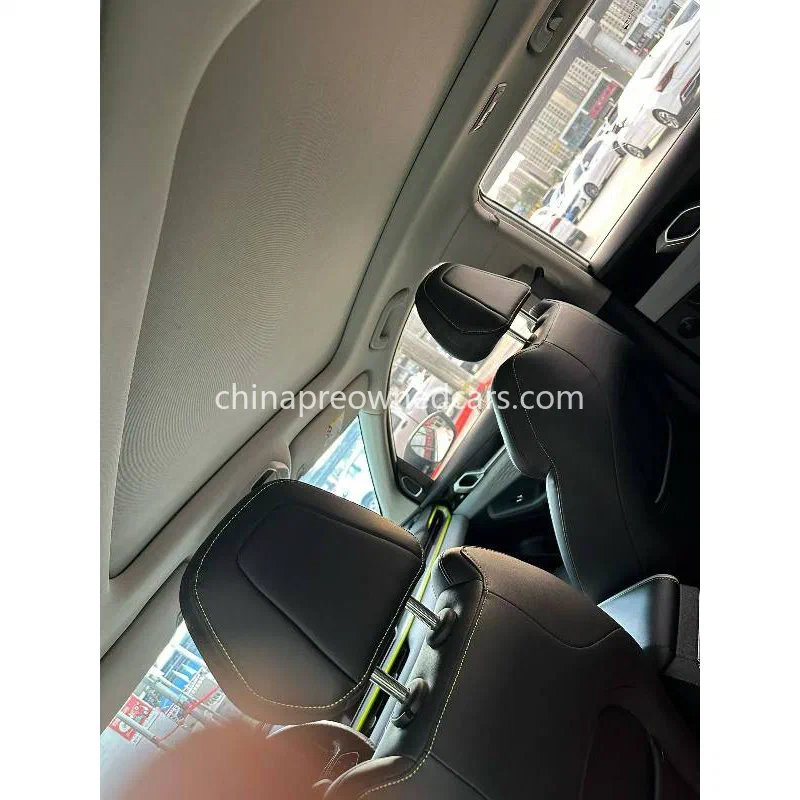
Used vehicles are typically graded based on their cosmetic condition, mechanical health, mileage, and service history. Cosmetic grading includes the exterior and interior appearance, with attention to dents, scratches, upholstery wear, and dashboard integrity. Mechanical health assessments focus on engine performance, suspension, braking systems, and fluid levels. Mileage bands—categorized as low, moderate, or high—can significantly influence the list price of used cars, as lower mileage often correlates with reduced wear. A documented service history provides insight into maintenance consistency, helping buyers judge whether the vehicle has been properly cared for.

Inspection and Verification
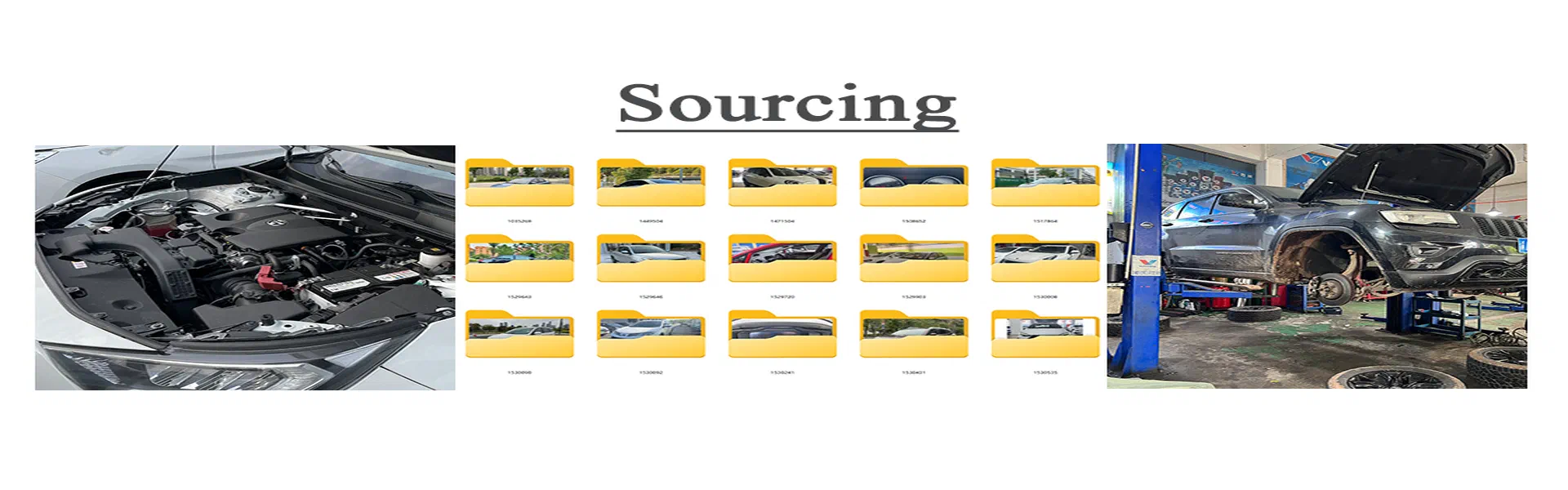
Pre-shipment inspections are mandatory for vehicles exported from China and generally include roadworthiness checks, emission compliance tests, and verification of the Vehicle Identification Number (VIN). While comprehensive, these inspections do not cover every aspect of a vehicle’s condition. For example, they may not evaluate battery health in electric SUVs or identify latent mechanical issues. Buyers should request detailed inspection reports, compare grading criteria, and, if possible, arrange third-party appraisals. Exporters offering dealer-grade vehicles often conduct additional checks, but buyers should verify the scope of these assessments.
What “Export-Grade” Really Means
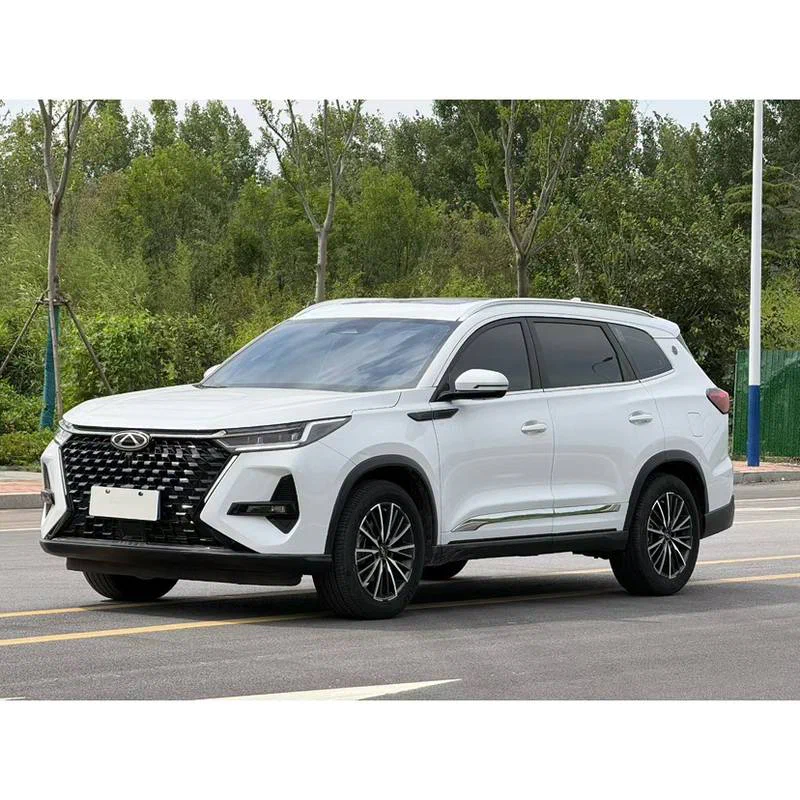
Export-grade used SUVs are prepared to meet the general requirements of destination markets. This often includes ensuring compliance with roadworthiness standards, documentation for customs clearance, and compatibility with left-hand drive systems. Vehicles labeled as dealer-grade may have undergone further cosmetic and mechanical reconditioning to align with retail standards. Buyers should scrutinize these claims by asking for inspection certificates, reviewing high-resolution photos, and confirming compliance with market-specific regulations such as emission standards and vehicle age limits.
Red Flags to Watch For
Certain condition issues can significantly impact the long-term value and usability of a used SUV. Excessive rust, frame damage, or signs of water intrusion should prompt further investigation. In electric SUVs, battery state-of-health reports are critical; degraded battery performance can lead to costly replacements. Buyers should also be cautious of vehicles with incomplete service histories or inconsistencies in VIN records. Confirming these aspects prior to purchase helps mitigate risks associated with hidden defects.
FAQ
Q: What does a pre-shipment inspection cover? A: Pre-shipment inspections typically check roadworthiness, emissions compliance, and VIN verification, but may not include detailed evaluations of battery health.
Q: How can I verify the accuracy of a dealer-grade claim? A: Request inspection reports, review detailed images, and confirm compliance with destination market regulations before relying on dealer-grade claims.