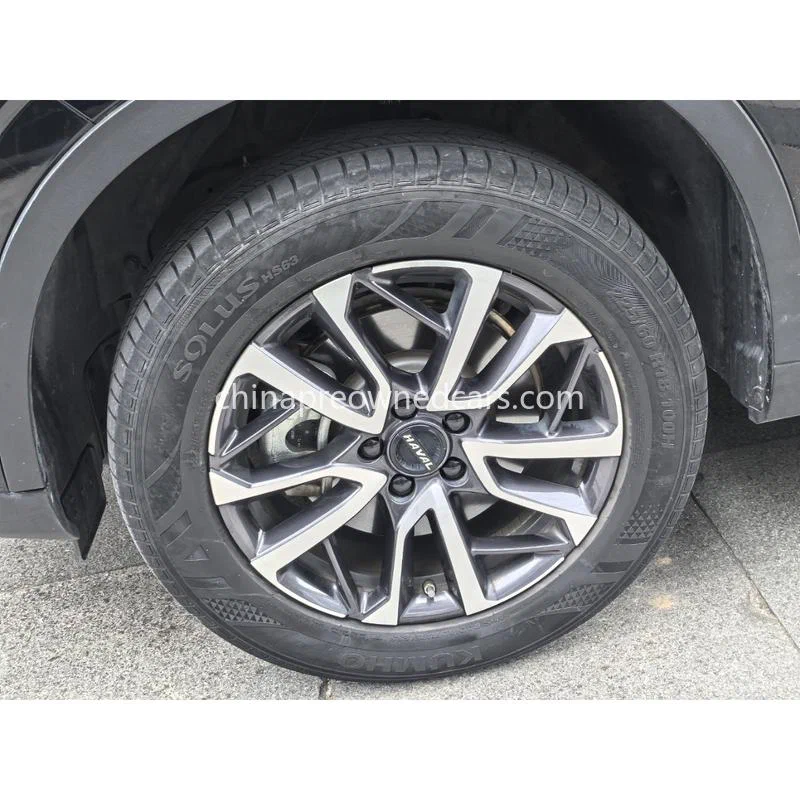
Moving a used vehicle from China to an overseas buyer involves more than selecting a model and arranging a vessel. The export process includes vehicle sourcing, condition verification, pre-shipment inspection, export documentation, customs clearance, port handling and international shipping. Each stage affects the condition of the vehicle on arrival and the time required to complete the transaction.
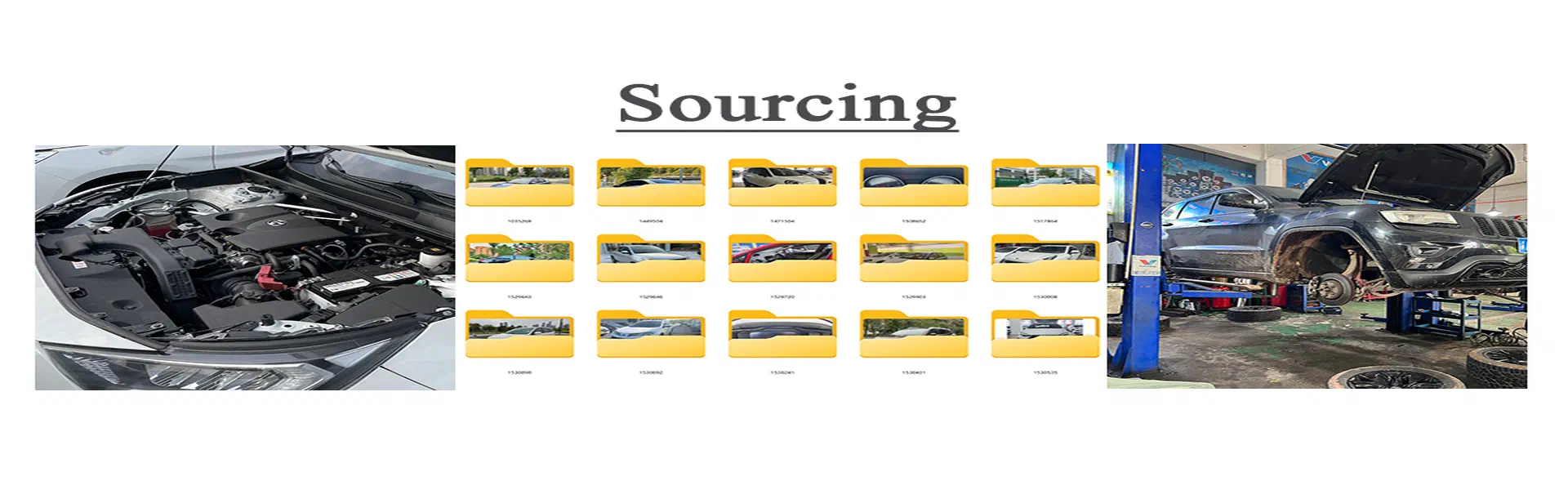
The first stage is sourcing. Buyers can purchase through established exporters, domestic vehicle dealers or auction channels in China. Dealer sourcing generally allows more direct communication about vehicle specifications, maintenance records and previous ownership. Auction sourcing can offer a wider selection, but available information may be limited, and vehicles may require additional checks before purchase. Buyers comparing cars for sale used dealer listings should establish who owns the vehicle, whether the seller is authorized to arrange export and whether the quoted price includes inspection and preparation. For Chinese-brand SUVs, available sourcing options include the BYD Atto 3, Chery Tiggo 7 Plus, Chery Tiggo 8 Pro, Geely Coolray and Haval H6. The actual selection depends on availability and the buyer’s requirements.
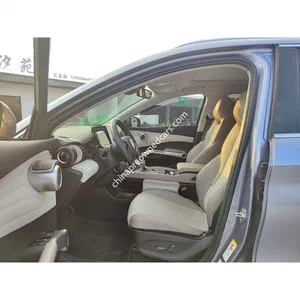
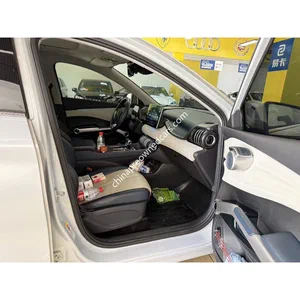
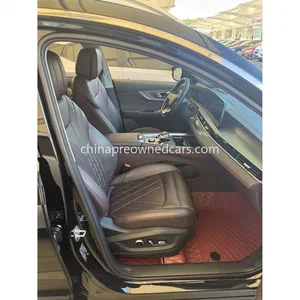
Before confirming a purchase, the vehicle’s identity and history need verification. The vehicle identification number (VIN) should match the registration documents, physical identification plates and inspection records. Mileage should be compared against available maintenance records, service invoices and electronic diagnostic information. A low odometer reading alone does not establish good condition. Buyers should also request information about previous accidents, structural repairs, flood exposure and ownership changes. Condition grading provides a useful starting point for comparing vehicles, but grading standards can differ between sellers. A written assessment should distinguish cosmetic wear from mechanical defects, paint repairs and damage affecting structural components. Recent photographs of the exterior, interior, engine compartment and underbody help establish a reference before payment and shipping.

Pre-shipment inspection takes place after the vehicle has been selected and before it leaves China. The inspection should cover the body panels, paint condition, glass, lights, tyres, suspension, brakes, steering, dashboard warning indicators and essential electrical systems. Engine operation, transmission performance and fluid leaks also require attention on combustion and hybrid vehicles. For electric models such as the BYD Atto 3, battery state of health (SOH), charging performance, diagnostic fault codes and available battery information deserve particular attention. A battery percentage displayed on the dashboard is not a substitute for an SOH assessment. Hybrid vehicles require checks of both their combustion and electric systems. The exporter should provide an inspection report with dated photographs and recorded findings. Any inspection certificate required for export or destination-country clearance must be confirmed separately, since the applicable certification and testing requirements depend on the vehicle and importing market.
Once the inspection findings have been reviewed, export documentation can proceed. Chinese used vehicle exports require the appropriate export licensing, customs declaration and applicable pre-shipment inspection procedures. The exporter coordinates the vehicle’s export eligibility and prepares the paperwork for customs submission. Common shipping documents include the commercial invoice, packing list where applicable, bill of lading and certificate of origin when required by the buyer or destination authorities. The bill of lading records the shipment and identifies the vessel, ports and consignee. A certificate of origin identifies where the vehicle originates, although its issuing requirements depend on the applicable trade and customs procedures. Vehicle details, VIN, consignee information and declared values must remain consistent across the documents. Errors can delay customs processing or prevent the buyer from completing import clearance. Copies should be reviewed before the original shipping documents are released.
The next decision is the shipping method. Roll-on/roll-off (RoRo) shipping is generally suitable for vehicles that can be driven onto and off a vessel. The vehicle travels in a designated vehicle deck, reducing the need for container loading and unloading. RoRo can be economical for standard passenger vehicles, although departure schedules and available routes depend on shipping operators. Container shipping provides a different arrangement. One or more vehicles can be secured inside a container, with suitable blocking and lashing to limit movement during transit. This method offers greater control over cargo separation and can provide additional protection against exposure during handling. However, loading, securing, container availability and handling add costs. Poor loading practices can still cause scratches or impact damage. Buyers should compare the complete freight quotation, insurance arrangements, port charges and destination handling costs rather than judging either method by its initial shipping price alone.
After vessel booking, the vehicle moves through export port handling. Depending on the arrangement, it is delivered to the port directly or transported from a storage facility to the designated loading area. Port personnel check the shipping instructions and cargo information before the vehicle is accepted for loading. RoRo vehicles undergo the relevant terminal procedures, while container shipments require loading, securing and container documentation. Following vessel departure, the exporter or shipping agent provides the available shipment details and bill of lading information. Transit time varies according to destination, vessel routing, transshipment requirements, port congestion and sailing frequency. Preparation, customs processing and vessel scheduling also take time. Buyers should therefore distinguish the period from purchase to vessel departure from the subsequent sea transit period. A quoted lead time should identify which stages it covers, rather than presenting the entire process as a single guaranteed delivery window.
Payment arrangements and destination preparation should be agreed before shipment. A written pro forma invoice should identify the vehicle, VIN, purchase amount, included services, inspection arrangements, shipping method and payment milestones. Buyers should clarify when the deposit becomes non-refundable, when the balance is due and what happens if inspection findings differ materially from the original description. Payment should follow verified company and banking details, with changes to account information independently confirmed. Import preparation is equally important. Ghana, Nigeria, Kenya, Uganda and Tanzania have their own rules covering vehicle age, emissions, roadworthiness, customs valuation and import procedures. Most Chinese domestic vehicles are left-hand drive, which may restrict their suitability in markets requiring right-hand-drive vehicles. Buyers must confirm current destination requirements before committing funds. Used EVs also need specific consideration of battery condition, charging compatibility and applicable battery transport rules. Insurance coverage, warranty limitations, spare parts availability and post-arrival technical support should be agreed in writing. These checks prevent avoidable problems after the vehicle reaches its destination port.
FAQ
Q: What documents are needed to export a used car from China?
A: Common documents include the commercial invoice, customs declaration, bill of lading and certificate of origin where required. Export licensing and applicable inspection documentation must also be arranged according to current Chinese export procedures and destination requirements.
Q: Is RoRo or container shipping better for used cars?
A: RoRo is often suitable for standard vehicles when regular vehicle-carrying services are available. Container shipping offers more control over cargo separation and securing, but generally involves additional loading and handling costs.