The hardest problem in importing used vehicles is not price. It is that decisions get made before anyone has physically examined the car — from photographs, auction sheets, broker assurances and informal recommendations.
That gap is where disputes over accident history, odometer readings, flood damage, repainting and repair quality come from. Closing it is a sequence, and the order matters because each step is cheaper than the one after it.
Step 1: Documents before pictures
Ask for the vehicle registration certificate details and check that the brand, model and first registration date match what you were told. Under China’s export framework the export licence must carry information matching the registration certificate exactly, so any discrepancy at this stage will surface later anyway — better it surfaces before you pay.
Confirm the seller can produce de-registration paperwork proving the vehicle was lawfully removed from the Chinese register for export. A seller who is vague here is not a seller.
Step 2: Verify the odometer against something
The number on the dashboard is a claim. Verification means cross-checking service records and the vehicle’s electronic history for consistency.
What you are looking for is not a low number, it is a coherent story: servicing at intervals consistent with the mileage, and wear consistent with both. A car with 40,000 claimed kilometres and a worn driver’s seat bolster, polished pedal rubbers and a third set of tyres is telling you something the odometer is not.

Step 3: The five condition checks that carry border consequences
Ghana’s incoming standard makes several of these regulatory rather than merely commercial. From 1 October 2026, used vehicles are prohibited from import if they are flood-damaged, fire-damaged, carry chassis or safety-cage damage, are assembled from spare parts, or lack a speedometer reading in kilometres per hour.
So the inspection now has to answer:
- Flood evidence. Silt in recesses, corrosion in unusual places, musty smell, water lines in the boot well, moisture in lamp units.
- Fire evidence. Heat discolouration, replaced looms, mismatched under-bonnet components.
- Structural integrity. Chassis rails and safety cage — broken, cracked, bent or twisted. This requires measurement, not opinion.
- Assembly integrity. Panel gaps, mismatched panel dates, evidence of two cars becoming one.
- Speedometer units. Kilometres per hour, which Chinese domestic cars have — worth confirming rather than assuming.
Step 4: Drive it, specifically the gearbox
The DCT gearbox is the known weak point across the popular Chery and Haval models. It is reliable when its fluid service has been done and expensive when it has not.
An idling test tells you nothing. It has to be tested under load — pulling away on an incline, low-speed manoeuvring, shift quality when warm. A report that does not mention gearbox behaviour under load has not tested the thing most likely to cost you money.
Step 5: Insist the findings are written down
The point of an inspection is the record, not the reassurance. A written report from an independent appraiser is what you can act on, refer to and if necessary argue from.
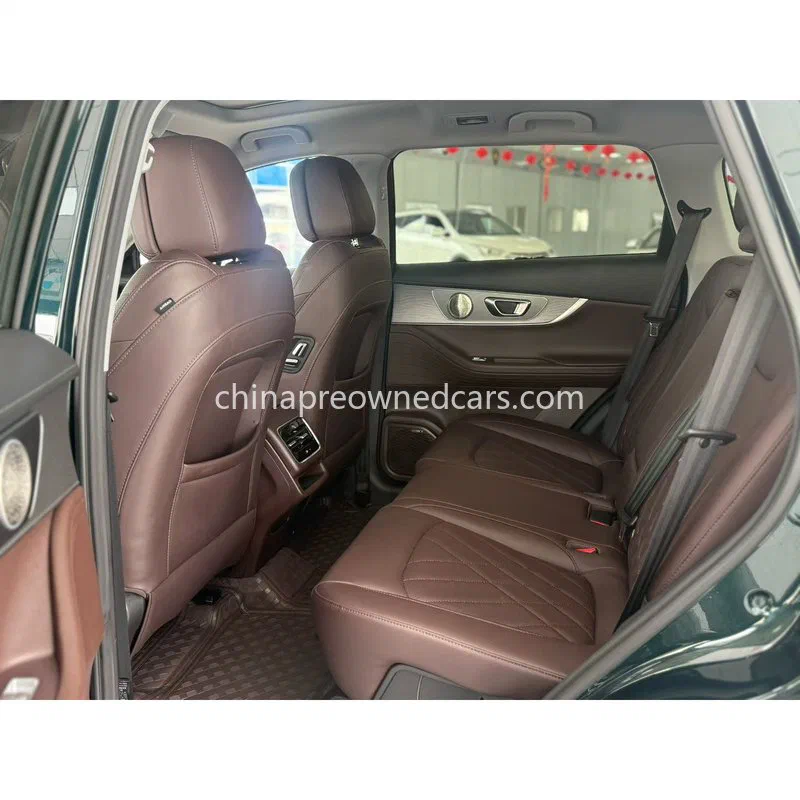
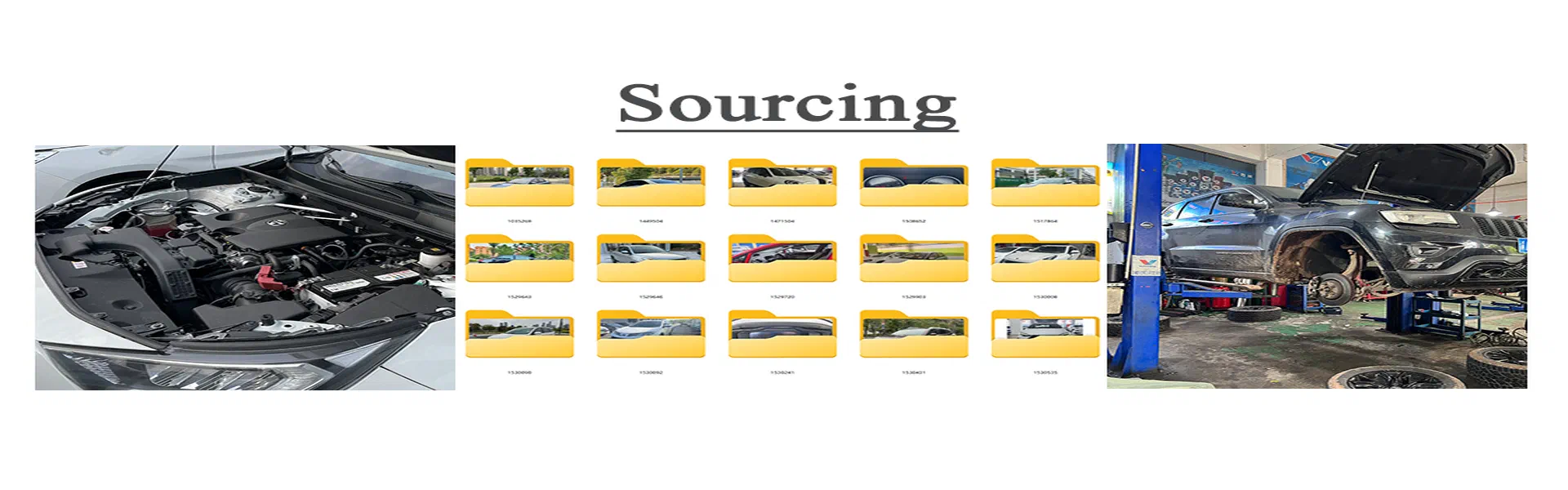
We commission a full inspection at a professional Chinese vehicle appraisal agency on every unit before export, and the independent third-party report goes with the car. Where an inspection finds repainted panels, replaced components or repair work, that belongs in the condition disclosure — not smoothed away. A buyer who learns about a repair from the report is a customer. A buyer who discovers it at the port is a dispute.
What changes from October 2026
Ghana’s requirement is not a version of this process, it is this process made mandatory: inspection in the country of origin, by a GSA-approved third-party body, with a Certificate of Conformance issued per vehicle before shipment. Vehicles that do not meet the requirements are refused entry on arrival.
Practically, this means verification stops being something you do to protect yourself and becomes something without which the shipment does not work. Build the CoC into your pre-shipment timeline now rather than in September.
Which bodies the GSA will approve, and what the certificate will cost, were not settled in the notice. Ask the GSA Vehicle Homologation Unit directly at [email protected] or 030 398 0177.
Common questions
Q: Can I rely on photographs and an auction sheet? A: No. Neither detects flood damage, structural repair or odometer inconsistency reliably, and both are produced by someone with an interest in the sale.
Q: What is the most commonly hidden defect? A: Odometer alteration, followed by repaired structural damage. Both are detectable by competent inspection and close to invisible in pictures.
Q: Who should carry out the inspection? A: An independent third-party appraiser with no stake in the transaction. For Ghana from October 2026, it must be a GSA-approved body operating in the country of origin.
Q: Does an inspection report replace a warranty? A: No. It documents condition at a point in time. That is valuable and it is not a warranty — anyone claiming otherwise is overselling.