
Second-hand SUV grading should assess mileage, age, cosmetic condition, mechanical health and maintenance history together. For export buyers sourcing vehicles from China, a consistent inspection process helps distinguish ordinary wear from defects that could affect shipping, registration or resale. The grading method also needs to account for the vehicle’s powertrain, intended operating conditions and destination-market requirements.
Mileage is a useful starting point, but it does not establish a vehicle’s condition on its own. A lower-mileage SUV may have spent long periods parked, received poor maintenance or accumulated damage during short urban trips. A higher-mileage vehicle may have a more complete service record and fewer unresolved faults. Buyers evaluating 2nd hand suv cars should compare the odometer reading with service invoices, maintenance records, inspection notes and available electronic data. Mileage bands can help organize a shortlist: lower, moderate and higher mileage relative to the vehicle’s age and typical use. These categories are screening tools, not universal quality grades. Annual mileage should be considered alongside engine hours where available, driving environment and evidence of heavy use. If records show unexplained gaps or inconsistent readings, the discrepancy should be investigated before the vehicle is accepted for purchase.
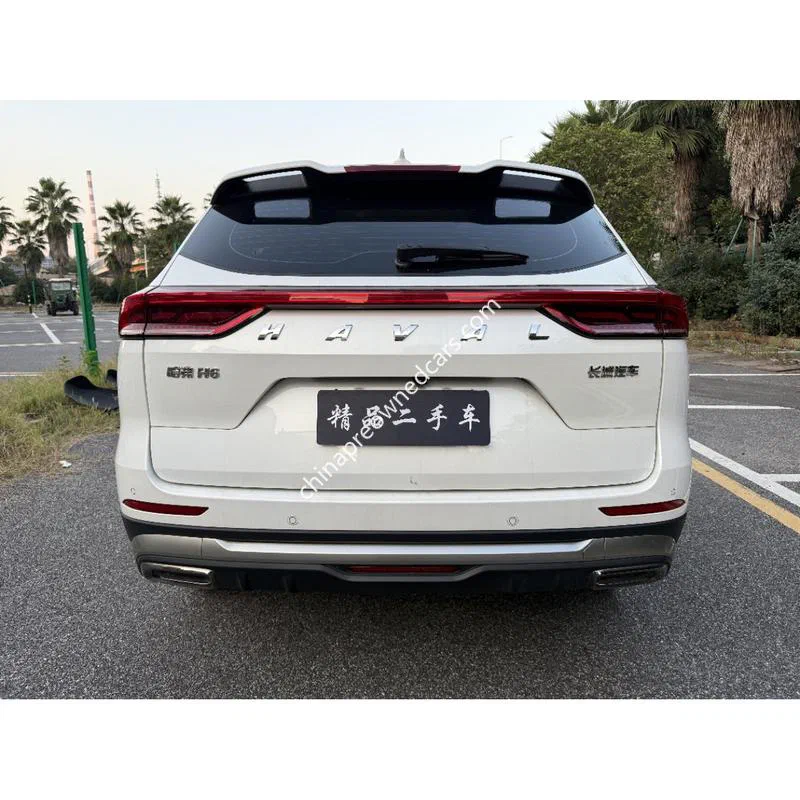
Vehicle age provides another reference point, particularly when estimating wear and checking export eligibility. Rubber seals, suspension bushings, hoses, tires and interior materials can deteriorate with time, even when the odometer reading is low. Age also affects parts availability and the likelihood that certain maintenance items will need replacement soon. For models such as the BYD Atto 3, Chery Tiggo 7 Plus, Chery Tiggo 8 Pro, Geely Coolray and Haval H6, buyers should compare the vehicle’s model year, production details, equipment specification and documented maintenance rather than relying on the registration date alone. A grading report should identify visible age-related deterioration and distinguish routine wear from damage requiring repair. Before committing to an export purchase, the importer must also confirm the current vehicle-age rules in the destination country. Requirements can change, and the age calculation method may differ from the assumptions used in the seller’s domestic records.
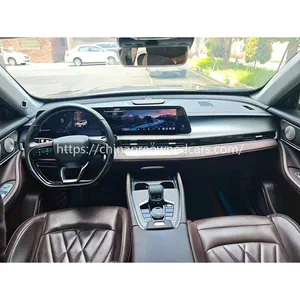
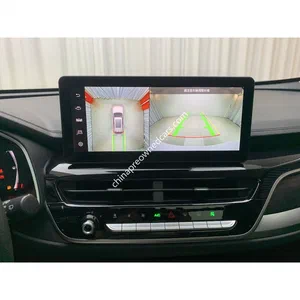
Cosmetic grading should be based on recorded observations rather than labels such as excellent or good without supporting evidence. The inspection should cover paint condition, dents, scratches, panel alignment, glass, lamps, wheels, tires, seat upholstery, dashboard surfaces and cargo-area trim. Photographs taken in consistent lighting help buyers compare vehicles and identify differences that a brief walkaround might miss. Uneven paint texture, overspray, mismatched panels or inconsistent gaps can indicate previous body repairs, although none proves structural damage by itself. Inspectors should look for corrosion where relevant, signs of water entry, damaged underbody components and evidence of poor-quality repairs. The report should separate minor cosmetic defects from issues affecting safety or structural integrity. Buyers should request close-up images of identified damage, along with wider views showing its location. Cosmetic grading cannot establish the full quality of a repair or reveal concealed damage behind panels; those questions may require additional testing or specialist assessment.

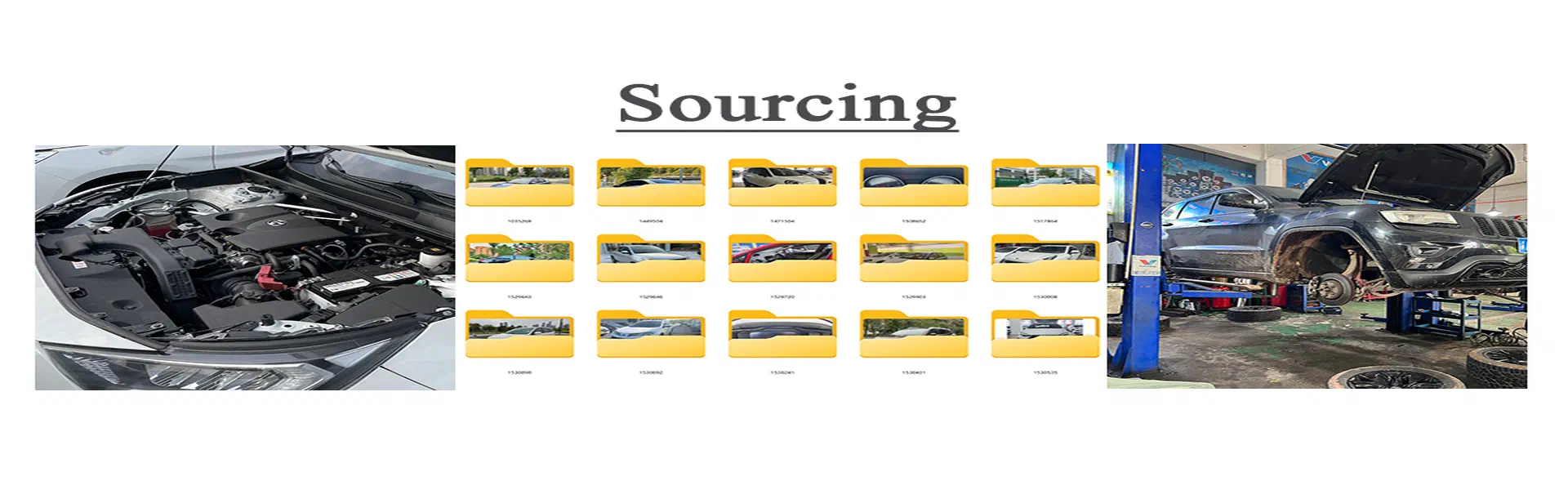
Mechanical grading requires more than starting the engine and checking whether the vehicle moves. An appropriate inspection can include a cold start, warning-light checks, fluid and leakage assessment, diagnostic fault-code reading, braking and steering checks, suspension inspection, tire wear analysis and a road test where conditions permit. Abnormal engine noise, smoke, overheating, transmission hesitation, uneven braking or recurring warning lights should be documented and investigated. A diagnostic scan is useful, but it does not prove that every system is healthy. Fault codes may have been cleared, intermittent faults may not appear during testing, and some mechanical problems require measurements or component-level examination. Buyers should ask which checks were completed, which were unavailable and which defects remain unresolved. A pre-shipment inspection records findings within its stated scope and at a particular time; it is not a guarantee against future breakdowns. Where the report identifies a material defect, the buyer should obtain a repair estimate or arrange a more detailed assessment before agreeing to the final condition and payment terms.
Electric and hybrid SUVs need additional checks that do not apply in the same way to conventional petrol vehicles. For a used BYD Atto 3, battery state of health is an important part of the assessment, but the reported percentage should be supported by a defined test method, diagnostic output and the date of testing. Battery capacity, charging performance, fault history, cooling-system condition and visible damage to the battery enclosure may also warrant review. A dashboard range estimate alone is not a reliable battery-health measurement because it varies with temperature, driving history and energy consumption. Hybrid vehicles require checks of both the combustion powertrain and the electric drive system, including relevant battery and charging components. Buyers should also establish which charging connector and equipment specification the vehicle has, and whether local charging infrastructure supports its use. Battery transport requirements must be addressed separately during export planning. These checks can reveal important risks, but a standard inspection may not establish long-term battery degradation or the cost of a future battery replacement.

Terms such as export-grade and dealer-grade are useful only when the seller defines the standard behind them. They are not universal grades with a single internationally accepted meaning. A practical export-grade specification should state the acceptable cosmetic defects, mechanical requirements, documentation available and any repairs required before dispatch. Dealer-grade may refer to a seller’s own resale criteria, so buyers should request the actual grading scale rather than assume that the label means manufacturer certification or a warranty. Verification begins with the vehicle identification number (VIN), model year, configuration and ownership or registration documents available for review. Buyers should compare these details with inspection photographs, diagnostic records and the export documents prepared for the transaction. In China, the export process involves the applicable export licensing arrangements, customs declaration and required pre-shipment inspection. The vehicle’s condition report should be distinguished from customs paperwork and shipping records, since each serves a different purpose. A vehicle that passes a condition assessment may still fail to meet an import rule in Ghana, Nigeria, Kenya, Uganda or Tanzania. Left-hand-drive compatibility, vehicle-age restrictions, emissions requirements, roadworthiness rules and registration eligibility must be checked against current destination-country requirements.
Before payment is finalized, buyers should turn the grading report into a written acceptance checklist. It should identify the vehicle, mileage shown at inspection, observed defects, diagnostic results, included accessories, outstanding repairs and any records that remain unavailable. The buyer should establish whether the agreed condition applies before or after repairs and request updated photographs or a follow-up inspection for material work. Odometer consistency, signs of flood or fire damage, structural repairs, missing warning lights, fresh underbody coatings that obscure inspection and reluctance to provide VIN details all warrant closer scrutiny. None is conclusive in isolation, but unexplained discrepancies should not be dismissed. The purchase agreement should define the inspection standard, payment milestones, responsibility for repair costs and the process for resolving a material mismatch between the documented condition and the vehicle presented for shipment. Shipping by roll-on/roll-off (RoRo) or container does not improve the vehicle’s underlying condition; buyers should also confirm loading arrangements, shipping documents and the procedure for reporting transport damage. chinapreownedcars.com can coordinate vehicle sourcing, inspection, export documentation and shipping arrangements, while buyers should retain copies of the evidence used to approve the specific unit.
FAQ
Q: Does low mileage mean a used SUV is in better condition?
A: No. Mileage must be assessed alongside age, maintenance records, mechanical test results and signs of previous damage. A well-maintained higher-mileage vehicle may be a better purchase than a neglected low-mileage one.

Q: What should an export buyer request before approving a used SUV?
A: Request the VIN, dated inspection report, detailed photographs, available service records, diagnostic findings and a clear list of known defects. Confirm destination-country import eligibility separately, since a vehicle’s condition grade does not establish that it can be registered locally.