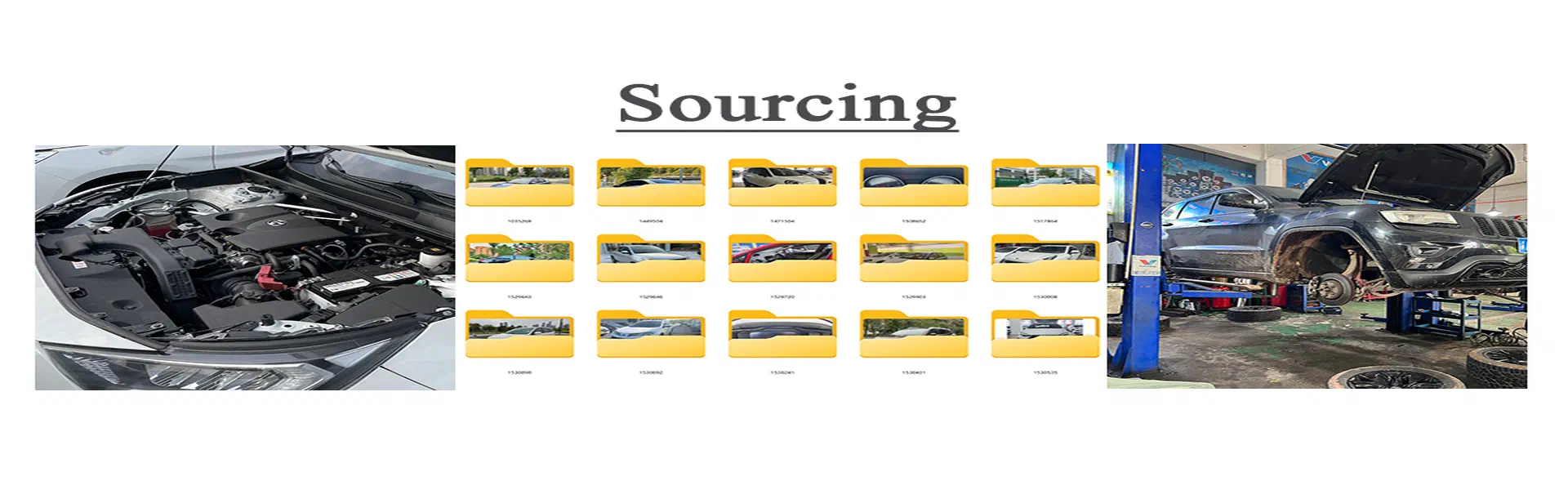
Evaluating used vehicles is essential for ensuring quality and reliability before making a purchase. This involves understanding how vehicles are graded based on their condition, as well as the inspection processes that take place prior to export. Buyers should also be aware of how to verify claims made by sellers and identify potential red flags.
Vehicle Condition Grading
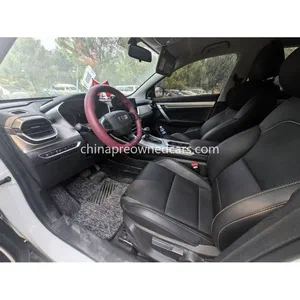
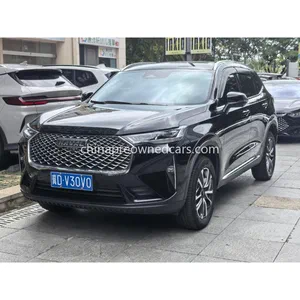
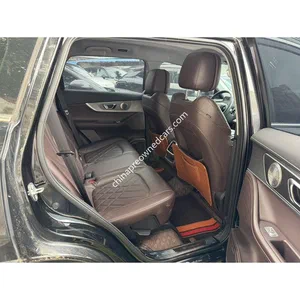
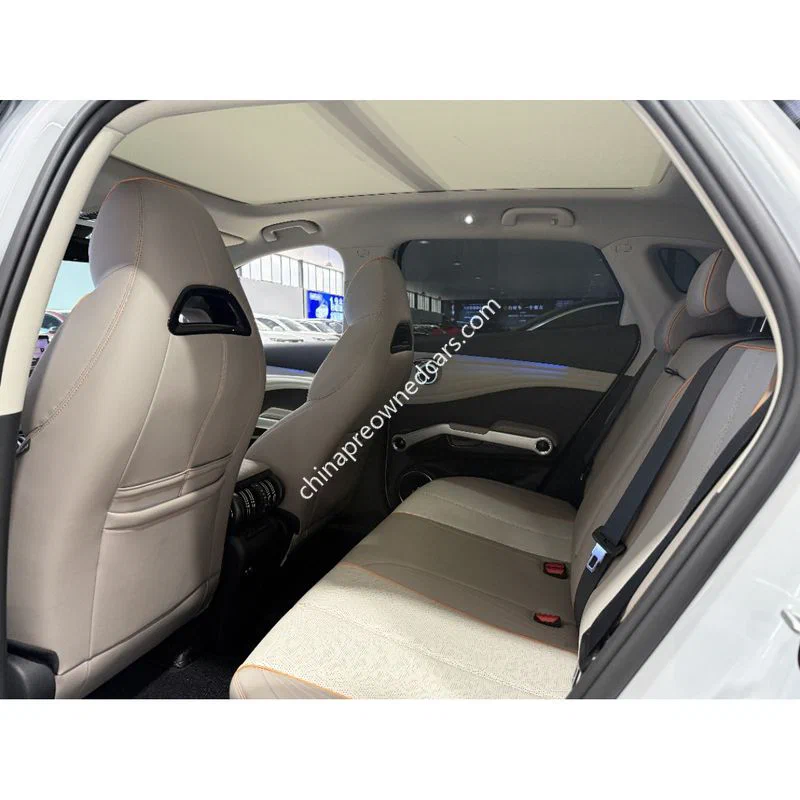
Used vehicles are typically graded on a scale that considers both cosmetic and mechanical conditions. Cosmetic grading looks at the exterior and interior for any signs of wear, such as scratches, dents, or stains, while mechanical health assesses the engine, transmission, and other critical components. Mileage also plays a key role; vehicles with lower mileage often indicate less wear. Service history can provide insights into maintenance practices and potential issues, making it a vital document to review. Understanding these aspects helps buyers gauge whether the vehicle is export-grade or dealer-grade. Export-grade vehicles are usually in better condition and are more likely to meet the import regulations of destination markets.
Inspection and Verification
Pre-shipment inspections are crucial in the used vehicle export process. These inspections cover various aspects, including mechanical functionality and cosmetic condition, but may not always include a comprehensive evaluation of the vehicle’s history. Buyers should verify the vehicle identification number (VIN) to check for any past accidents or title issues. Furthermore, potential buyers should request documentation regarding battery health for electric vehicles, as this can significantly affect performance and resale value. Ensuring that the vehicle meets specific requirements, such as left-hand drive for most African markets, is also important.
Export Procedures and Requirements
Exporting used vehicles from China involves multiple steps, including customs clearance and the choice between RoRo (Roll-on/Roll-off) or container shipping. Each method has its advantages; RoRo is generally more cost-effective for larger shipments, while container shipping offers added protection for high-value vehicles. Documentation is essential throughout this process, including export licenses and customs paperwork, which must comply with the regulations of the destination country. Buyers should familiarize themselves with these requirements, as they can vary significantly between markets like Ghana, Nigeria, Kenya, Uganda, and Tanzania.

FAQ
Q: How can I verify a vehicle’s condition before purchasing?
A: Buyers should request a detailed inspection report, service history, and check the VIN for any past incidents.
Q: What are the shipping options for used vehicles from China?
A: The two main shipping methods are RoRo and container shipping, with each having its own benefits depending on the vehicle’s value and type.
Q: Are there specific requirements for electric vehicles being imported?
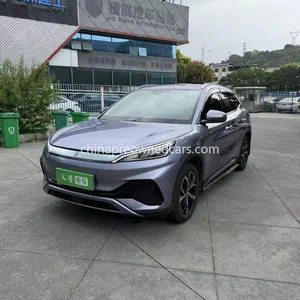
A: Yes, buyers should check for battery health and ensure compliance with local regulations regarding electric vehicle imports.