Choosing a used vehicle exporter requires more than comparing the advertised price and photographs. Overseas buyers need to verify the vehicle’s condition, confirm the seller’s legal standing, review export documentation, and understand payment and shipping arrangements before transferring funds.
1. Verify the vehicle, not just the listing
Start with the vehicle identification number (VIN), model year, mileage, and available service records. Ask for clear photographs of the VIN plate, chassis markings, odometer, dashboard, engine compartment, and exterior panels. The VIN should match the vehicle documents and inspection records. Any discrepancy needs an explanation before payment.
Mileage alone does not establish condition. Compare the odometer reading with service invoices, inspection notes, and visible wear on the steering wheel, pedals, seats, and tires. Request details of previous accidents, repainting, structural repairs, flood exposure, and replaced components. A low reading without supporting records is not proof of limited use. Buyers comparing second hand car dealerships should apply the same checks to online exporters, since a professional-looking website cannot establish a vehicle’s history.
2. Match the vehicle to the destination market
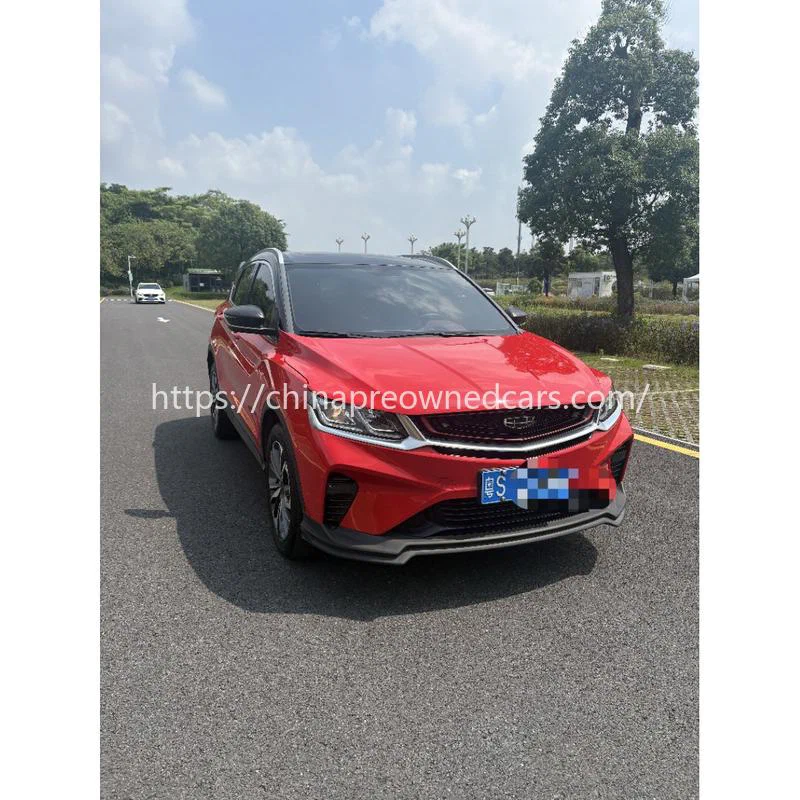
The right vehicle depends on local import rules, driving conditions, maintenance access, and fuel or charging infrastructure. China’s used vehicle export inventory includes models such as the BYD Atto 3, Chery Tiggo 7 Plus, Chery Tiggo 8 Pro, Geely Coolray, and Haval H6. Buyers should compare individual configurations rather than assume that every model has the same equipment or powertrain.
For an electric vehicle, request a battery state-of-health assessment, diagnostic results, charging history where available, and information about battery faults or repairs. Battery capacity affects usable range, while charging compatibility affects everyday operation. Hybrid vehicles also require checks of their high-voltage battery and combustion powertrain. For Ghana, Nigeria, Kenya, Uganda, and Tanzania, confirm current vehicle-age limits, emissions rules, roadworthiness requirements, and import eligibility before committing. Most Chinese domestic vehicles are left-hand drive, so the destination’s rules on steering position must be checked. Never assume that a vehicle accepted in one country will qualify in another.
3. Request evidence from the exporter

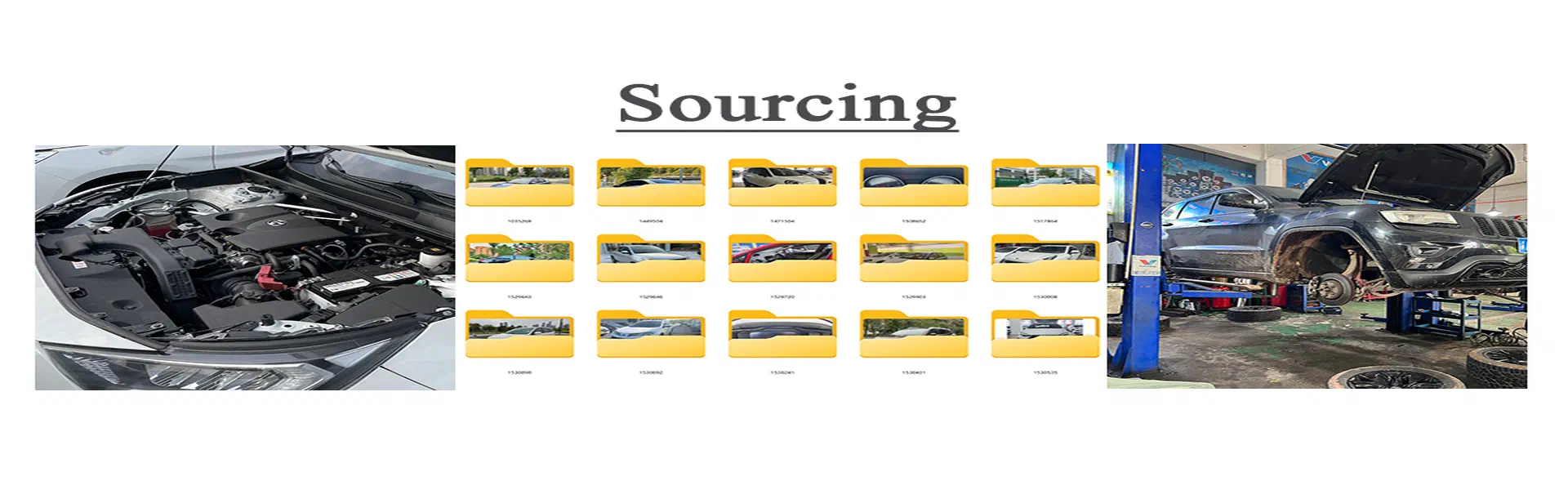
A credible exporter should explain how it sources vehicles, who conducts inspections, and which documents will be provided at each stage. Request a written inspection report covering exterior damage, interior condition, mechanical operation, diagnostic findings, tire condition, and any identified defects. For EVs, the report should include battery test results and explain the testing method where possible.
Check the exporter’s registered business details, contact information, physical business presence, and consistency across invoices, contracts, and bank instructions. Ask for a sample of its export paperwork with sensitive information removed. The exporter should be able to explain the applicable export licensing process, customs declaration, and pre-shipment inspection arrangements. Confirm which party is responsible for each step and when the relevant documents become available. References from previous buyers can help, but they should be independently verified rather than accepted as conclusive proof.
4. Review the contract and payment terms
The pro forma invoice and sales contract should identify the exact vehicle by VIN, agreed specification, condition disclosures, total price, currency, payment schedule, and responsibility for export-related charges. The contract should also state the shipping arrangement, destination port, treatment of inspection discrepancies, cancellation terms, and process for handling delays or missing documents.
International vehicle transactions commonly use a deposit followed by a balance payment at an agreed milestone. The precise arrangement varies by exporter and contract. Before paying, establish whether the balance is due after inspection, before loading, or against specified shipping documents. Verify the beneficiary name against the contracted business and confirm any bank-account change through a separately verified contact channel. Avoid unexplained third-party payments and pressure to transfer funds immediately. A low quotation can become expensive if inspection, inland transport, port handling, or documentation charges are excluded.
5. Confirm export and shipping arrangements
China’s used vehicle export process involves applicable export licensing, customs declaration, and pre-shipment inspection. Buyers should request the inspection outcome, commercial invoice, sales contract, packing list where applicable, and shipping documents appropriate to the transaction. Confirm what customs paperwork will be supplied and what the importer must arrange locally. Import clearance, duties, taxes, and any required permits at destination are separate matters that need confirmation with local authorities or a qualified customs broker.
Vehicles generally ship by roll-on/roll-off (RoRo) vessel or in containers. RoRo is designed for vehicles driven onto and off the vessel, while container shipping places the vehicle inside a container and may suit particular handling or consolidation requirements. The choice depends on the vehicle, route, carrier availability, and total logistics cost. Obtain a written quotation specifying port charges, loading arrangements, insurance responsibility, and estimated transit time. Port congestion, vessel schedules, customs holds, and document errors can all delay delivery.
6. Identify problems before they become expensive
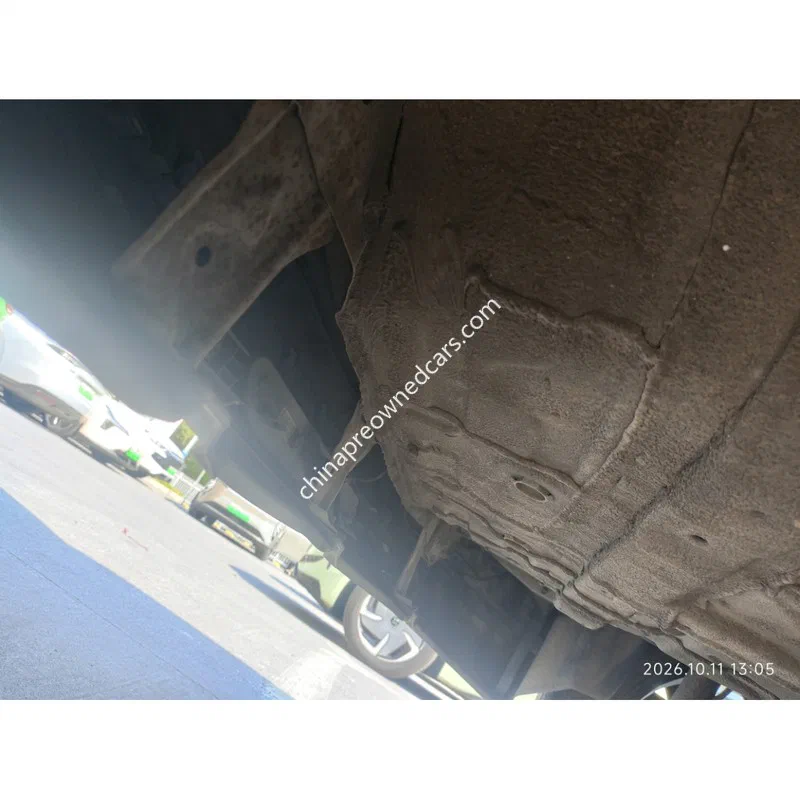
Common failures include mileage discrepancies, undisclosed accident repairs, weak EV batteries, missing export documents, unexpected charges, and differences between the contracted vehicle and the unit loaded for shipment. A buyer should not rely solely on photographs supplied during the initial enquiry. Request recent, VIN-identifiable evidence and agree on an inspection process before the final payment becomes due.
Keep copies of all communications, invoices, inspection reports, payment receipts, and shipping updates. Establish in writing how defects discovered before loading will be handled and whether the buyer can reject a materially non-conforming vehicle. Confirm the procedure for obtaining the bill of lading and other documents needed for destination clearance. Also ask about after-sales support, diagnostic assistance, spare-parts sourcing, and access to technical information. These arrangements matter particularly for vehicles with unfamiliar electronic systems or high-voltage components.
7. Make the decision using verifiable evidence
A suitable exporter answers specific questions directly and provides documents that can be cross-checked. Compare quotations on the same basis, including vehicle specification, inspection scope, inland transport, export handling, shipping, and insurance. A cheaper offer is not necessarily better if it leaves important costs or responsibilities undefined.
Before authorizing payment, confirm the VIN, condition report, contract terms, beneficiary account, export responsibilities, and destination eligibility. For buyers importing into Ghana, Nigeria, Kenya, Uganda, or Tanzania, local customs requirements should be verified before shipment rather than after the vehicle reaches port. A documented process cannot eliminate every risk, but it makes discrepancies easier to identify and provides a clearer basis for resolving disputes.
FAQ
Q: What documents should a used car exporter provide before shipment?
A: Request the sales contract, commercial invoice, vehicle inspection report, applicable export documentation, and confirmation of customs declaration and pre-shipment inspection arrangements. The final shipping documents should be supplied according to the agreed transaction and carrier process.
Q: How can a buyer reduce the risk of paying a fraudulent exporter?
A: Verify the business identity, match the vehicle VIN across available records, obtain an independent or documented inspection, and confirm bank details through a trusted channel. Use a written payment schedule tied to clearly defined milestones and avoid unexplained third-party transfers.