Assessing the condition and value of used vehicles is crucial for buyers in the export market. This involves understanding vehicle grading, the inspection process, and the common pitfalls in assessing quality. Buyers should be aware of how vehicles are categorized and the factors that influence their suitability for specific markets.
Vehicle Grading and Inspection
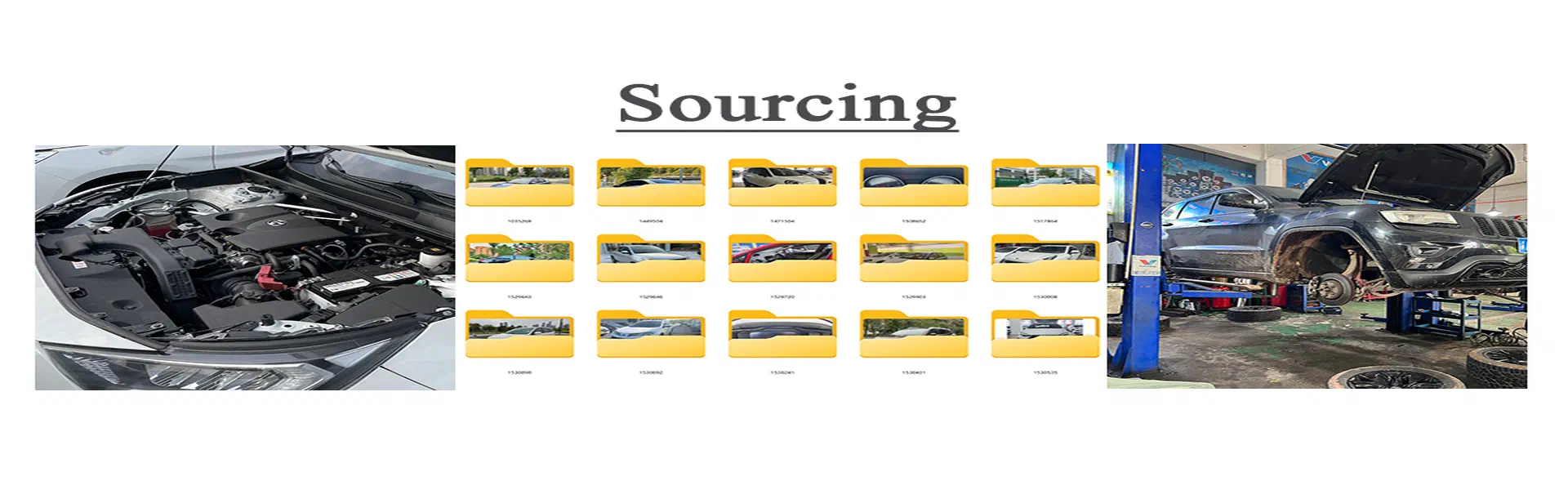
Used vehicles are typically graded based on cosmetic condition, mechanical health, mileage bands, and service history. Grades can range from “export-grade” to “dealer-grade,” with the former indicating vehicles that meet basic export standards. This categorization helps buyers gauge the overall quality. Inspection processes should include checking for major repairs, accident history, and the state of essential components like the engine and transmission. However, buyers should verify these claims independently, as inspections may not cover all potential issues.

Understanding Export Requirements
Different markets have specific requirements that affect vehicle eligibility. For instance, most of the inventory from China is left-hand drive, limiting options for right-hand drive countries. Additionally, emission standards and vehicle age limits vary by destination, so confirming the latest regulations for each market is essential before proceeding with a purchase. Buyers should also consider battery health for electric vehicles, as these factors significantly impact resale value and compliance.
Practical Verification Steps
Before finalizing a purchase, buyers should conduct thorough checks on vehicle history, including service records and previous ownership. Utilizing tools such as VIN verification can provide insights into the vehicle’s past. It is also advisable to assess the vehicle’s mileage against its age to identify any discrepancies that might indicate tampering. Any signs of extensive wear or damage should raise red flags, prompting further investigation or reconsideration of the purchase.
Payment and Shipping Considerations
Payment terms can vary significantly, and buyers should clarify these details upfront. Commonly, transactions require a deposit followed by the balance upon shipment. Shipping methods—either RoRo (Roll-on/Roll-off) or container shipping—also influence costs and delivery times. Buyers should factor in a typical shipping lead time of approximately 15-25 days, depending on the destination. Understanding these logistical elements is vital for a smooth purchasing experience.
After-Sales Support and Documentation
Finally, after-sales support is a critical component not to overlook. Buyers should confirm what kind of assistance is available post-purchase, including warranty options or service availability in their destination country. Proper documentation, including export licenses and customs clearance forms, must be in order to prevent delays upon arrival. Ensuring all paperwork is complete will facilitate a smoother transition from purchase to ownership.
FAQ
Q: What should I check before buying a used vehicle?
A: Verify the vehicle’s history, service records, and conduct a thorough inspection for any signs of damage or wear.
Q: How do I ensure that I comply with my country’s import regulations?
A: Research specific market regulations regarding vehicle age, emission standards, and technical specifications, as these can vary greatly by country.