Used vehicle quality depends on more than mileage or appearance. Service records, condition grading and a documented inspection help overseas buyers assess the risks before purchasing vehicles from China. For importers in Ghana, Nigeria, Kenya, Uganda and Tanzania, the key is to establish what the available evidence confirms and what still requires independent verification.
How condition grading and service history indicate quality
Condition grading usually separates cosmetic appearance from mechanical condition. A vehicle may have clean paintwork and an attractive interior but still need suspension repairs, transmission work or electrical diagnosis. Buyers should request separate assessments for exterior panels, interior wear, mechanical systems and accident damage rather than relying on a single overall grade.
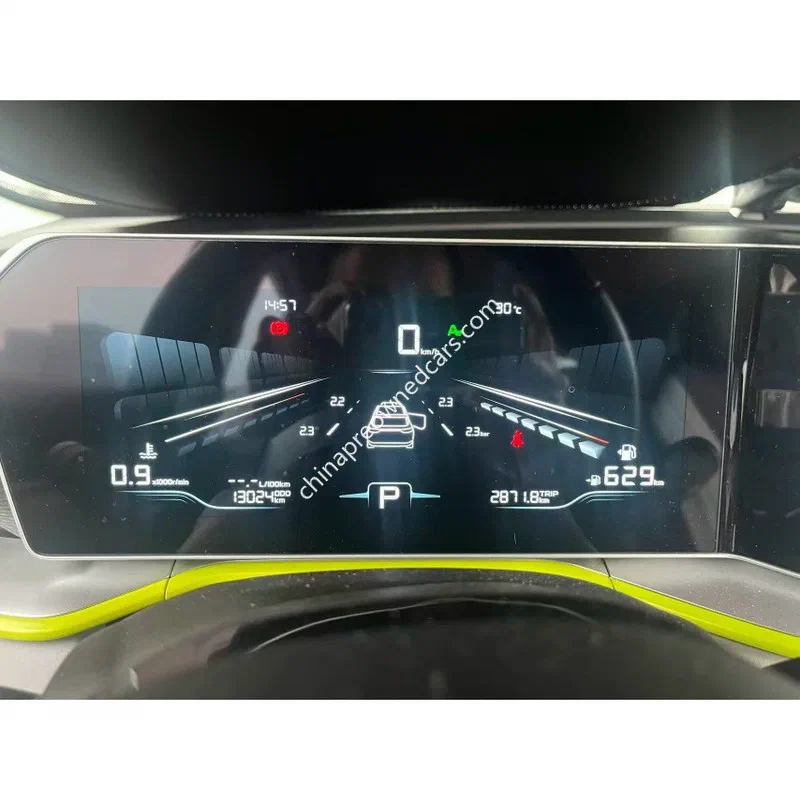
Mileage provides useful context, but it is not a standalone measure of quality. Lower-mileage vehicles may have experienced frequent short trips, long periods without use or poor maintenance. Higher-mileage vehicles may have received consistent servicing and replacement of worn components. Compare the odometer reading with service invoices, maintenance dates, inspection records and visible wear on the steering wheel, pedals and seats. Any unexplained discrepancy should be investigated before payment.
Service history adds detail that a condition grade cannot provide. Records can show oil changes, scheduled maintenance, repairs and replacement of major components. Buyers should check whether dates and mileage readings follow a credible sequence, and whether invoices identify the vehicle through its VIN or registration details. Missing records do not automatically mean a vehicle is poor quality, but they increase uncertainty. A seller’s verbal account is not equivalent to documentary evidence.

What an export-grade inspection can establish
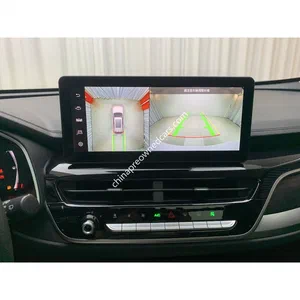
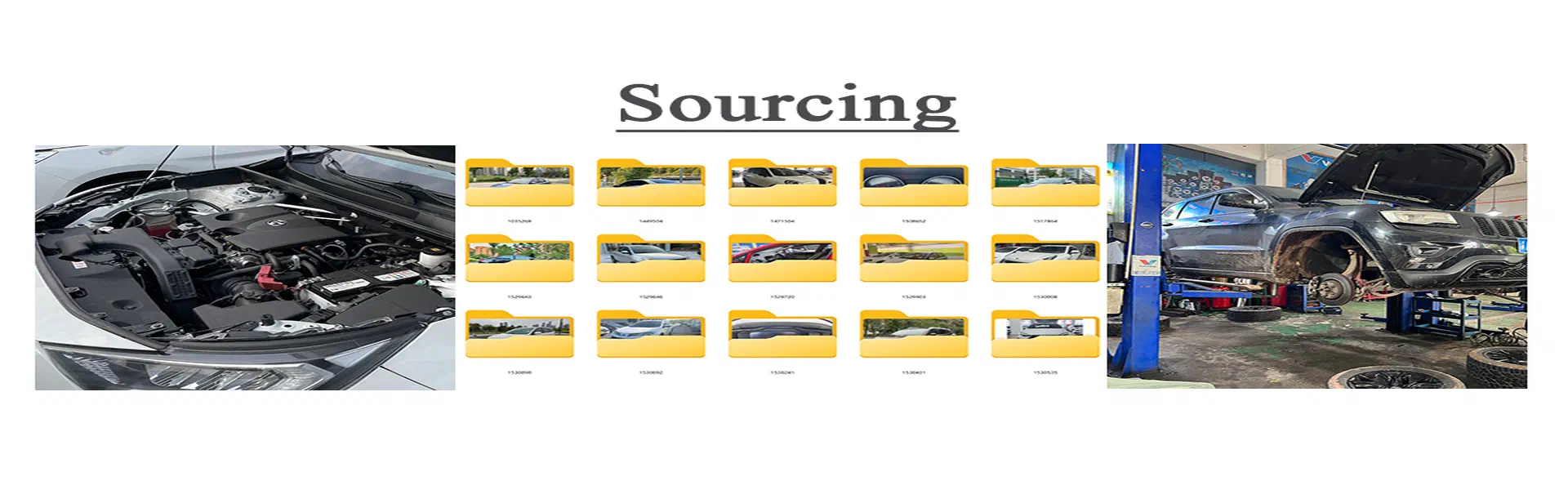
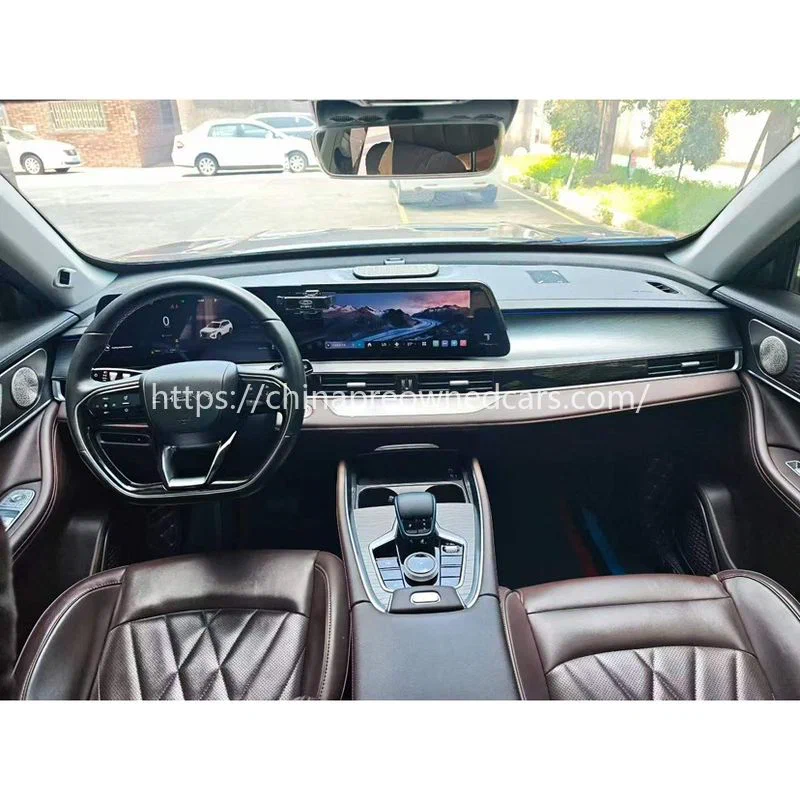
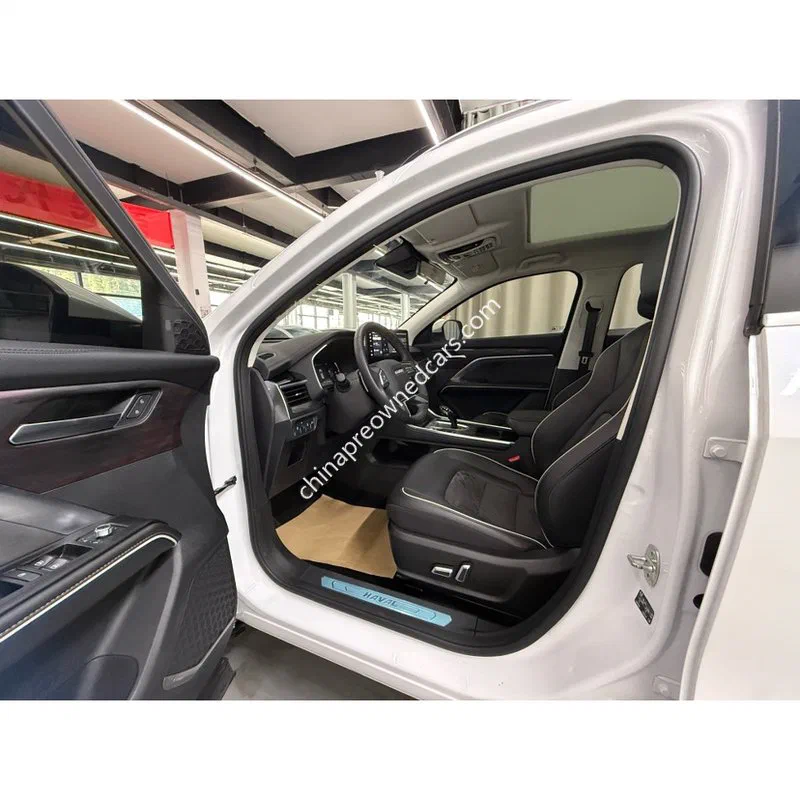
Terms such as export-grade and dealer-grade are not universal technical certifications. Their meaning depends on the seller’s grading policy and the checks performed. Before agreeing to a purchase, request the grading criteria and a vehicle-specific inspection report. A useful assessment covers bodywork, paint inconsistencies, structural damage indicators, engine or motor operation, transmission, steering, brakes, tyres, suspension, warning lights and visible fluid leaks. Photographs should show the VIN, odometer, interior, exterior panels and any reported defects.
An inspection has limits. A stationary assessment cannot establish how every system performs under sustained driving, and a diagnostic scan may not reveal intermittent faults or concealed repairs. Evidence of previous collision damage may require specialist inspection. Buyers should also confirm whether the inspection included a road test, underbody examination and electronic diagnostics. An export inspection supports a purchase decision; it does not guarantee future reliability or prove that every fault has been found.
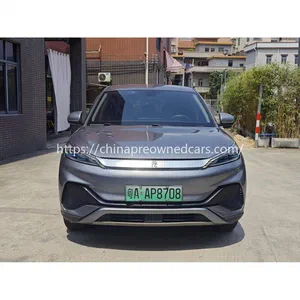
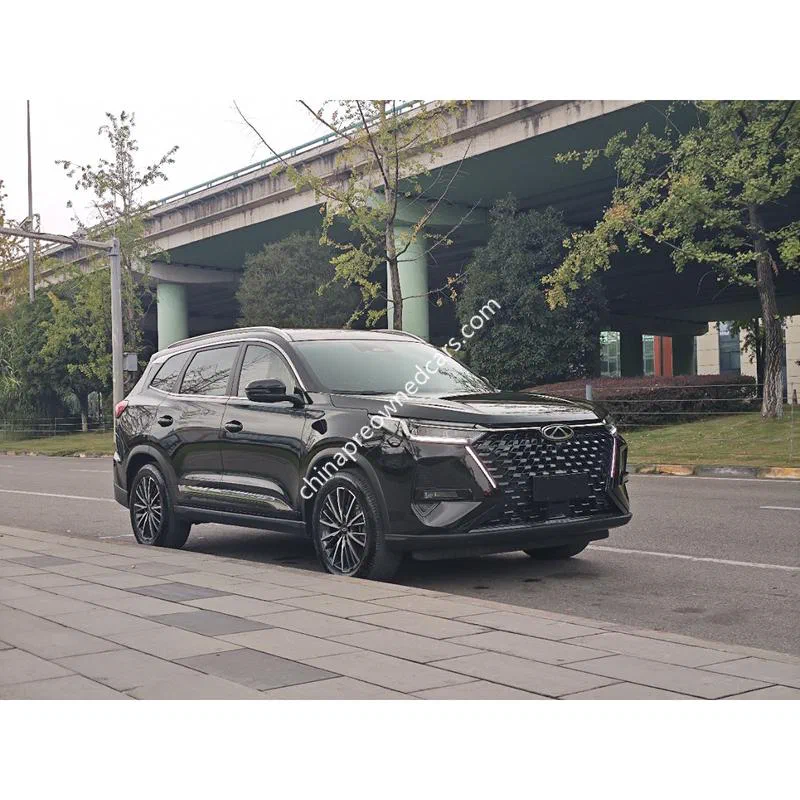
For the BYD Atto 3, battery health deserves separate attention. Request available battery state-of-health data, diagnostic results and charging-function checks, and clarify how the readings were obtained. For petrol SUVs such as the Chery Tiggo 7 Plus, Chery Tiggo 8 Pro, Geely Coolray and Haval H6, attention should include engine performance, transmission behaviour, cooling systems and evidence of oil or coolant leaks. Exact equipment and powertrain specifications vary by version, so the VIN and vehicle documentation should establish the configuration being purchased.
Verifying claims before export
Buyers searching for reliable used cars under 5000 should compare the full landed cost and documented condition rather than selecting a vehicle on purchase price alone. The same principle applies to higher-value SUVs: a low odometer reading or clean photograph cannot replace evidence. Ask for the VIN early, compare it across the vehicle and available documents, and check the service history against the inspection findings. Request clarification in writing for repainting, replaced components, accident repairs, warning lights or missing maintenance records.
Before shipment, agree on the condition grade, disclosed defects, inspection scope and payment milestones in writing. The exporter must arrange the applicable export licensing, customs declaration, pre-shipment inspection and shipping documentation. Vehicles may travel by roll-on/roll-off (RoRo) vessel or in a container, depending on the vehicle, route and commercial arrangement. Importers must separately confirm destination requirements for vehicle age, emissions, roadworthiness and left-hand-drive acceptance. These rules can change, and most Chinese domestic vehicles are left-hand drive. For electric vehicles, battery transport requirements also need to be checked. Retain the inspection report, payment records and shipping documents so any discrepancy can be identified against the agreed purchase terms.
FAQ
Q: Does a high condition grade guarantee a reliable used vehicle?
A: No. A grade reflects the checks and criteria used at a particular time. Review the inspection scope, service records and disclosed defects before making a decision.
Q: Which documents help verify a used vehicle’s history?
A: Request the VIN, available service invoices, maintenance records, odometer evidence and a vehicle-specific inspection report. Compare the information for inconsistencies and investigate unexplained gaps.
Q: What should buyers check before exporting a used SUV from China?
A: Confirm the vehicle’s condition, powertrain configuration, documentation and inspection findings, then verify current import rules for the destination country. Agree on payment terms, disclosed defects and shipping arrangements before the vehicle is dispatched.