
Mileage and service history are two of the main factors used to assess the value of a pre-owned vehicle sourced from China. For overseas buyers, neither figure should be considered in isolation. A sound purchasing decision depends on comparing recorded mileage, maintenance evidence, physical condition and inspection findings before agreeing on a vehicle and its export price.
How Mileage and Service History Affect Vehicle Value
Mileage provides a useful indication of how much a vehicle has been used, but it does not establish its condition. A vehicle with relatively low recorded mileage may have spent long periods unused, received limited maintenance or experienced repeated short journeys. Another vehicle with higher mileage may have benefited from regular servicing and consistent operating conditions. Buyers should therefore compare mileage with the vehicle’s age, interior wear, tyre condition and maintenance records rather than treating a low odometer reading as proof of quality.
Mileage bands can help organize sourcing decisions. Lower-mileage vehicles generally attract stronger asking prices, while vehicles in higher mileage bands may offer better purchasing value if their mechanical condition is satisfactory. However, mileage thresholds should reflect the vehicle type and intended use. For models such as the BYD Atto 3, battery usage and charging history add another dimension to the assessment. For petrol SUVs such as the Chery Tiggo 7 Plus, Chery Tiggo 8 Pro, Geely Coolray and Haval H6, engine operation, transmission performance and maintenance intervals deserve particular attention. The price of second hand vehicles should reflect the combined evidence, not one odometer figure.
Service history helps explain the mileage. Buyers should request available maintenance invoices, workshop records, electronic service entries and previous inspection documents. Records should identify service dates, odometer readings and the work performed. Consistent intervals are useful, but missing documents do not automatically establish neglect. They do create uncertainty, which should be reflected in the valuation and purchasing terms. Where possible, compare the recorded mileage across several documents to identify unexplained changes or long gaps.

Condition Grading and Inspection Before Purchase
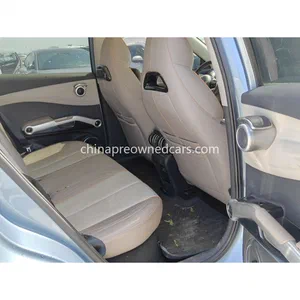
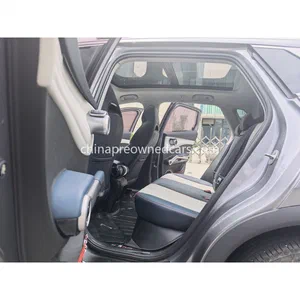
A practical condition assessment separates cosmetic appearance from mechanical health. Cosmetic grading usually considers paint condition, dents, scratches, glass, lamps, seats, dashboard surfaces and signs of previous body repairs. Mechanical assessment covers engine operation, transmission response, steering, suspension, brakes, cooling systems and electrical functions. A vehicle may receive a favorable cosmetic grade while still requiring mechanical work. These categories should be recorded separately rather than combined into a vague description such as excellent condition.
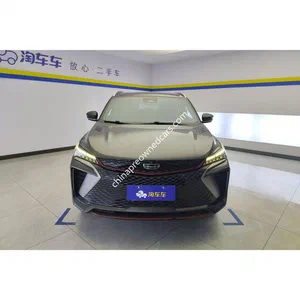
An export inspection should provide evidence that supports the grading. Typical checks include VIN identification, odometer readings, exterior and interior photographs, paint and body examination, engine compartment inspection, diagnostic scanning and a road test where conditions permit. Buyers should request photographs of the vehicle identification plate, dashboard, engine bay, tyres and any visible defects. Diagnostic results can identify stored fault codes, but they cannot establish that every component will remain trouble-free after shipment. A road test also reflects performance under the conditions available at the inspection location, not every situation the vehicle may encounter overseas.
For electric vehicles, the inspection needs additional attention. The BYD Atto 3 should be assessed for battery state of health, charging performance, warning messages and available battery diagnostic information. Buyers should ask how the reported battery health figure was measured and whether the inspection document identifies the method and test conditions. A dashboard range estimate is not a substitute for a battery health report. Battery transport arrangements may also require separate consideration during export. For hybrid vehicles, the assessment should include the combustion engine, electric drive components, battery system and transitions between operating modes.
Sourcing Channels, Verification and Export Preparation
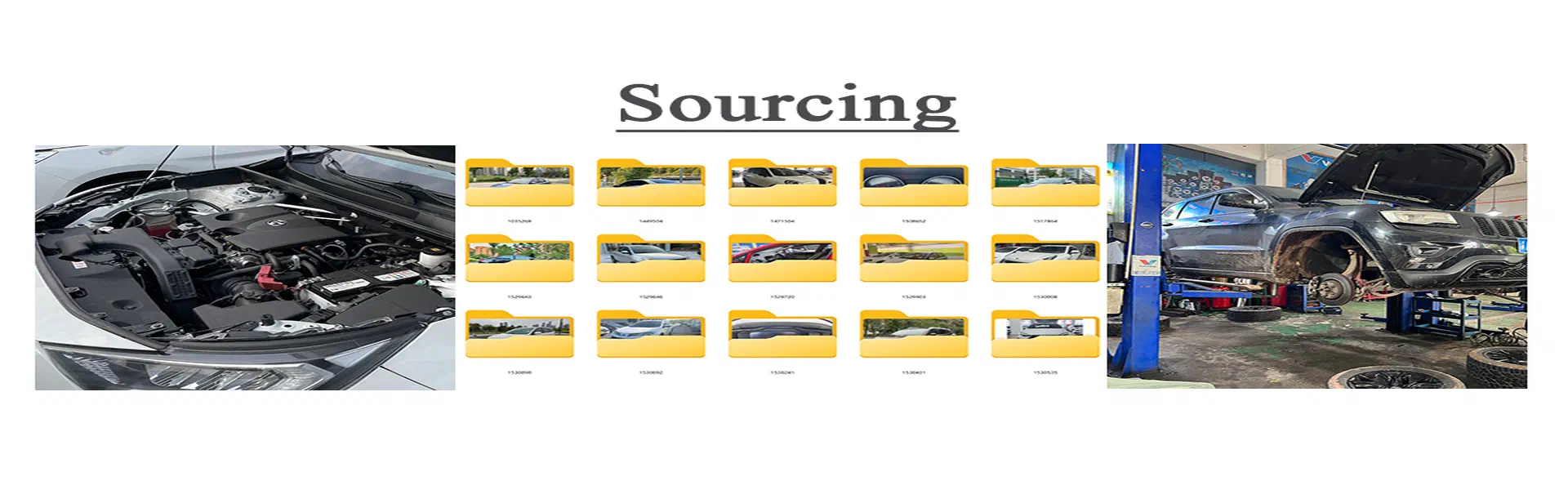
Dealer sourcing and auction sourcing involve different assessment risks. Dealers may provide more direct access to vehicle records, maintenance documents and physical inspections. However, their descriptions still require independent verification. Auction vehicles can offer access to a wider selection, but available information may be limited to listing photographs, condition grades and auction inspection notes. Buyers should establish whether a grade comes from the auction operator, the supplying dealer or an independent inspector. These descriptions are not interchangeable. A grade should always be accompanied by its inspection scope and documented defects.
Before payment, the buyer should obtain the VIN, available ownership and service records, mileage evidence, inspection photographs and a written condition report. VIN checks help confirm that the vehicle being inspected matches the documents and shipping records. They do not necessarily reveal every accident, repair or ownership event. Check panel alignment, paint differences, replaced glass, uneven tyre wear, corrosion and evidence of water intrusion. On the mechanical side, unexplained warning lights, unusual engine noise, transmission hesitation, fluid leaks and inconsistent diagnostic results deserve further investigation. For an EV, missing battery diagnostic evidence is a material information gap.
The term export-grade or dealer-grade should not be treated as a universal certification. In practice, it should describe a vehicle that meets an agreed condition standard and has passed the checks specified in the purchase arrangement. The contract should identify acceptable cosmetic defects, mechanical exclusions, mileage recording procedures and the documents to be supplied before shipment. Payment terms should also be linked to clear milestones, such as vehicle confirmation, inspection approval and completion of export documentation. Buyers should establish in writing what happens if the inspected vehicle differs materially from its original description. This is particularly important when sourcing through an intermediary rather than directly from the vehicle’s current seller.
China’s used vehicle export process involves export licensing, customs declaration, pre-shipment inspection and shipping documentation. Vehicles are transported by RoRo or in containers, depending on the shipment arrangement and vehicle requirements. Buyers in Ghana, Nigeria, Kenya, Uganda and Tanzania should confirm current destination rules covering vehicle age, emissions, roadworthiness and left-hand-drive suitability before committing to a purchase. Most Chinese domestic vehicles are left-hand drive, so compatibility must be checked carefully. Inspection in China also cannot guarantee acceptance by destination authorities or reveal every issue that may emerge after arrival. The buyer should retain copies of the inspection report, VIN records, purchase documents and shipping paperwork, then arrange an arrival inspection before local registration or resale.
FAQ
Q: Does lower mileage always mean a better used vehicle?
A: No. Mileage must be assessed alongside maintenance records, physical wear and mechanical condition. A well-maintained vehicle with higher mileage may represent better value.
Q: What documents should buyers request before purchasing a used vehicle from China?
A: Request the VIN, available service records, mileage evidence, inspection report and detailed photographs. Buyers should also confirm the purchase agreement and export documentation requirements.
Q: Can a pre-shipment inspection guarantee the vehicle’s condition after arrival?
A: No. An inspection records the vehicle’s observable condition at a particular time and within a defined testing scope. It cannot guarantee future performance or identify every concealed defect.