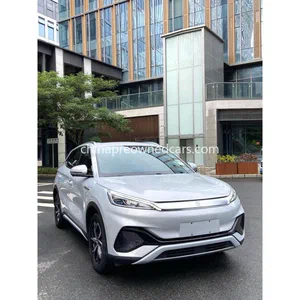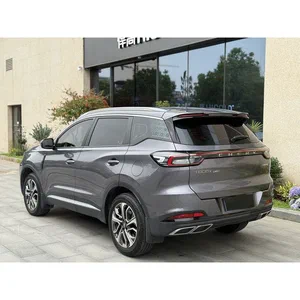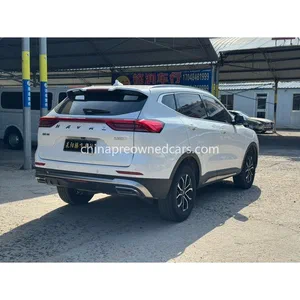
The pricing of Chinese SUVs for export is influenced by several key factors, including the vehicle’s specifications, condition, and the costs of export logistics. Buyers should also account for destination-specific import duties, taxes, and compliance requirements when evaluating the total landed cost.
Factors Affecting Vehicle Pricing
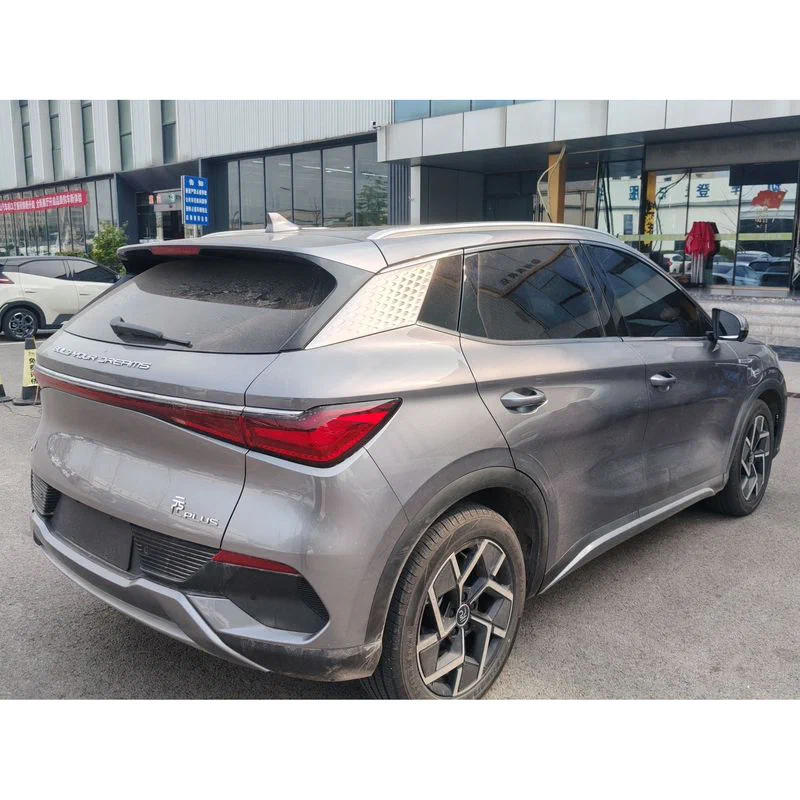
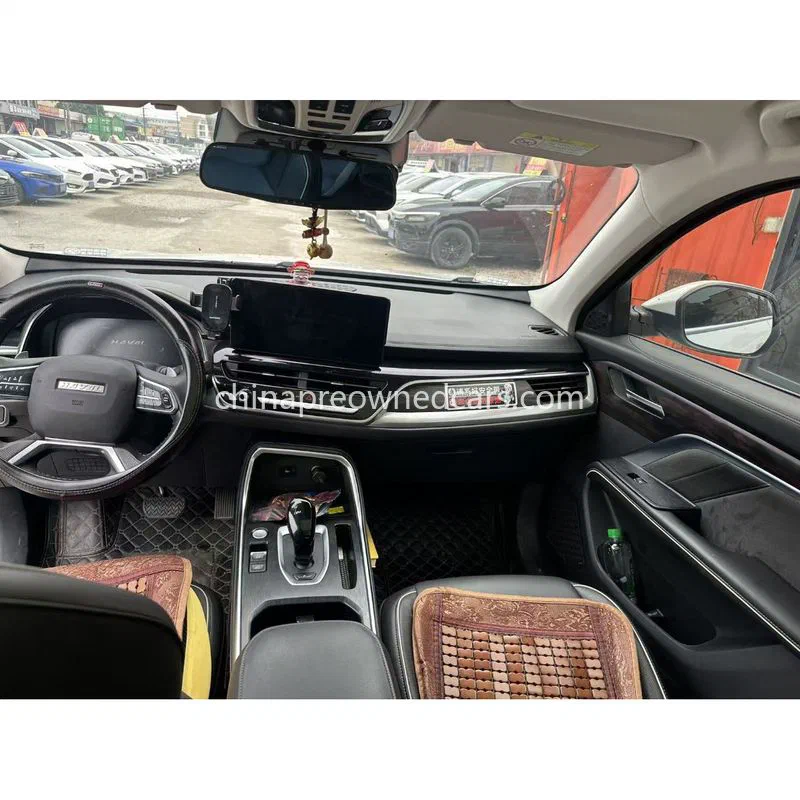
The specific make and model of the SUV is the first determinant of the chinese suv export price. For example, models like the BYD Atto 3 or Haval H6 may have different pricing tiers due to variations in features such as powertrain type, interior technology, and safety systems. Electric and hybrid SUVs tend to command higher base prices than traditional combustion-engine vehicles, reflecting their newer technology and market demand. Buyers should also note that trim levels, optional upgrades, and the year of manufacture play a role in the baseline valuation.
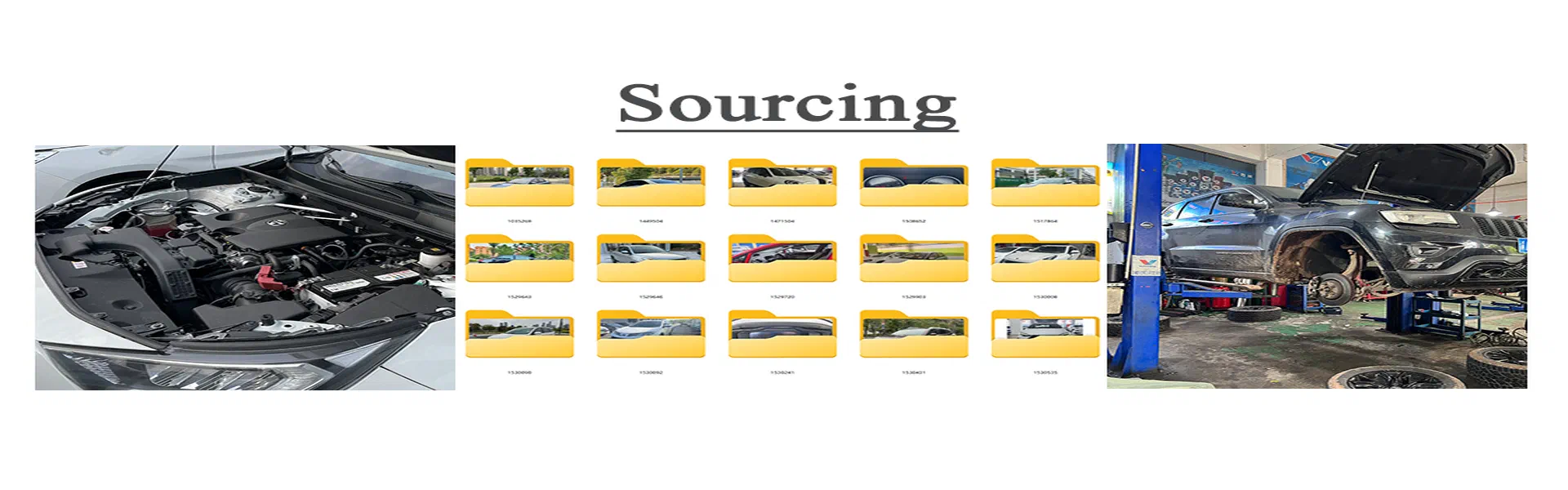
Condition grading is another critical factor. Vehicles are typically categorized based on mileage, cosmetic condition, and mechanical health. Lower mileage and well-maintained units are priced higher, while vehicles with visible wear or requiring repairs may be offered at a discount. Pre-shipment inspections, mandatory for vehicle exports from China, provide a transparent assessment of condition, but buyers should still verify detailed inspection reports for specifics.
Logistics Costs and Their Impact
Export logistics significantly influence the final price. Shipping methods—such as roll-on/roll-off (RoRo) versus container shipping—affect costs differently. RoRo shipping is generally more economical for larger volumes, as vehicles are driven directly onto a ship. Container shipping, while more expensive, provides added security and protection during transit, which may be preferable for high-value SUVs. Buyers should also account for port handling fees and inland transportation costs in both the origin and destination countries.
Pre-shipment procedures, including customs clearance and documentation preparation, add to the overall cost but ensure compliance with both Chinese export regulations and destination country requirements. These services are often bundled into a single fee by exporters, simplifying the process for buyers.
Import Duties, Taxes, and Compliance
Destination-specific import regulations can significantly alter the cost structure. Many African and Middle Eastern countries impose duties and taxes based on the vehicle’s age, engine size, and emission standards. For instance, hybrid and electric SUVs may benefit from reduced duties in markets incentivizing greener transport options. Buyers should confirm the allowable vehicle age and emission standards in their target market to avoid unexpected costs or import barriers.
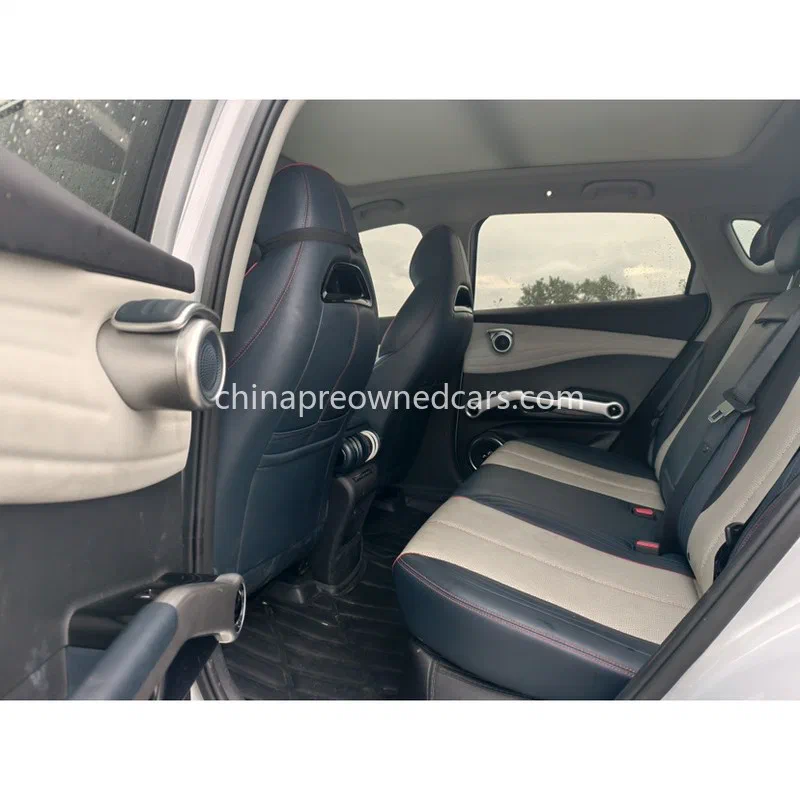
Most Chinese domestic vehicles are left-hand drive (LHD), which aligns with countries that also drive on the right. However, this limits their suitability for purely right-hand-drive (RHD) markets unless the vehicle is converted, which adds to the cost and complexity. Buyers are advised to verify compliance with local roadworthiness standards before finalizing a purchase.
Payment Terms and Pricing Transparency
Payment terms for Chinese SUV exports vary by exporter but typically require a deposit before shipment, with the balance due upon delivery of shipping documents. Buyers should ensure clarity on payment schedules and accepted methods—such as wire transfers or letters of credit—to avoid delays. Additionally, transparency in pricing is crucial. A reputable exporter will provide a detailed cost breakdown, including vehicle price, inspection fees, shipping costs, and any additional charges.
For buyers sourcing through auctions rather than dealers, pricing can fluctuate based on auction demand. While this route may offer lower initial prices, it comes with added risks, such as limited warranty options and less control over the vehicle’s condition grading.
Common Oversights to Avoid
Buyers often overlook the importance of verifying Vehicle Identification Numbers (VINs) to ensure authenticity and accurate history checks. Incomplete documentation or discrepancies in VIN records can cause delays in customs clearance or even rejection at the destination port. Another common oversight is neglecting the state of health (SOH) of batteries in used electric vehicles. Exporters should provide comprehensive battery diagnostics, but buyers should independently confirm these reports for accuracy.
Buyers should also account for longer shipping lead times if sourcing less common models or trim configurations. While most inventory can be shipped within typical timelines, exceptions may arise depending on availability or specific customizations requested.

FAQ
Q: How do I verify the condition of a used SUV before purchase?
A: Request the pre-shipment inspection report from the exporter, and cross-check details such as mileage, grading, and any noted defects.
Q: What factors influence the shipping cost for Chinese SUVs?
A: Shipping costs depend on the method (RoRo or container), vehicle size, and destination port fees. Container shipping is pricier but offers added security.
Q: Can I import a left-hand-drive SUV to a right-hand-drive country?
A: It depends on local regulations. Some RHD markets allow LHD vehicles, while others require conversion, which adds cost and time.