Comparing used cars online for export starts with checking the same specifications, condition evidence, ownership records, and total shipping costs across multiple listings. The best used car comparison site is one that provides enough verifiable information to shortlist vehicles, but the final decision should also account for destination-country import rules and an independent pre-shipment inspection.
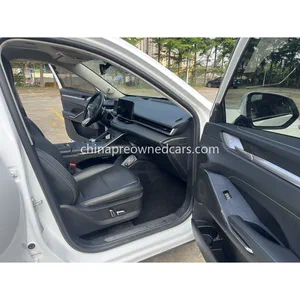
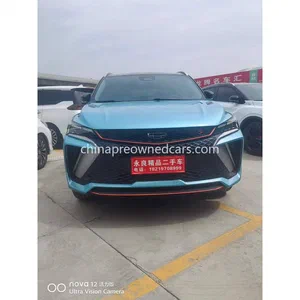
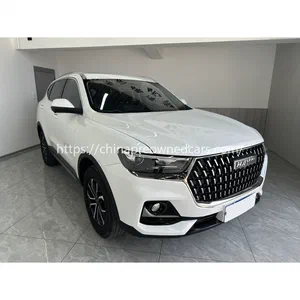
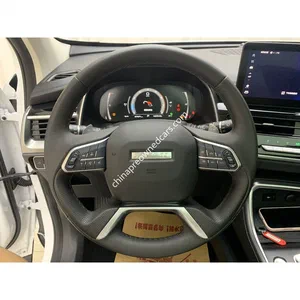
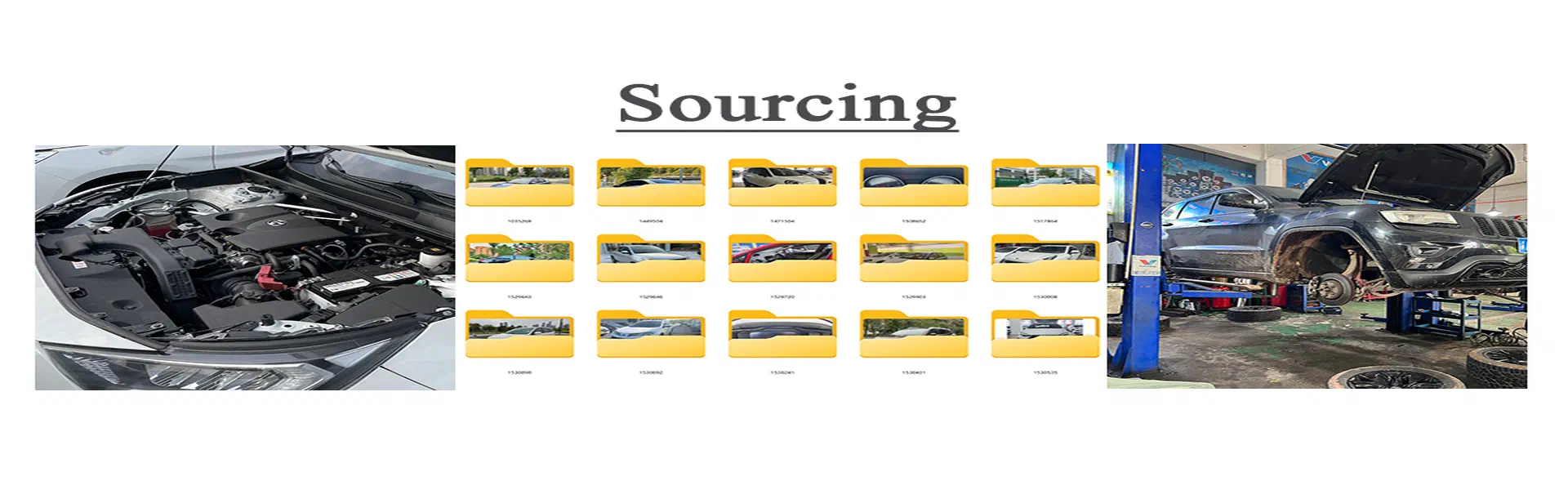
Online listings are useful for narrowing down candidates, not confirming that a vehicle is ready for export. Buyers should compare the model year, trim, powertrain, mileage, transmission, accident history, and available service records. Photos should cover the exterior, cabin, engine compartment, underbody where accessible, and any visible damage. A low advertised price may reflect missing equipment, previous repairs, or incomplete documentation. Ask the exporter to clarify any gaps before discussing payment. For cross-border transactions, a written specification sheet makes it easier to compare offers from different suppliers on the same basis.
Compare specifications and vehicle condition
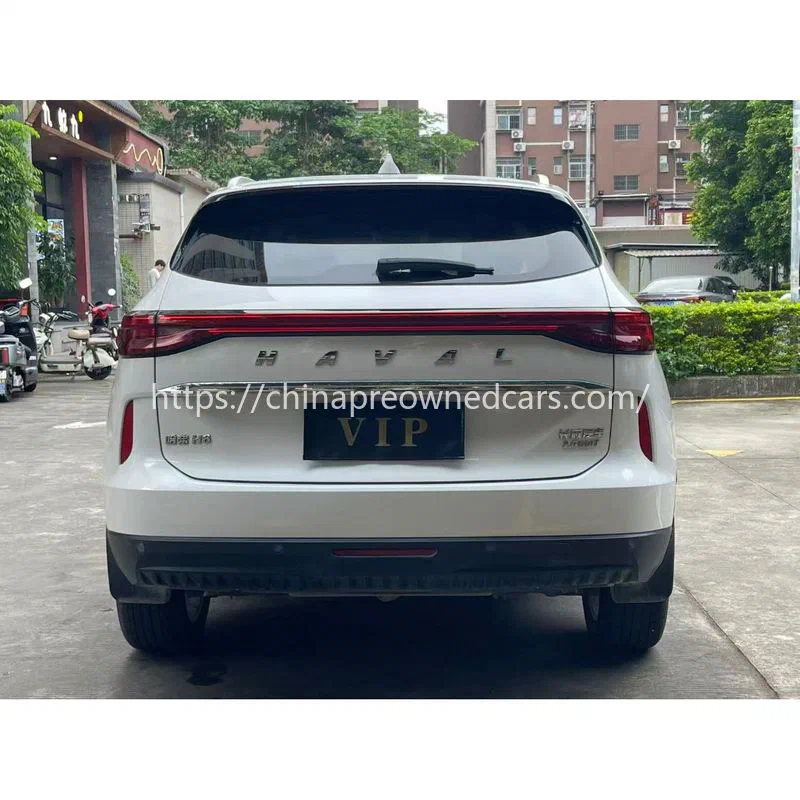
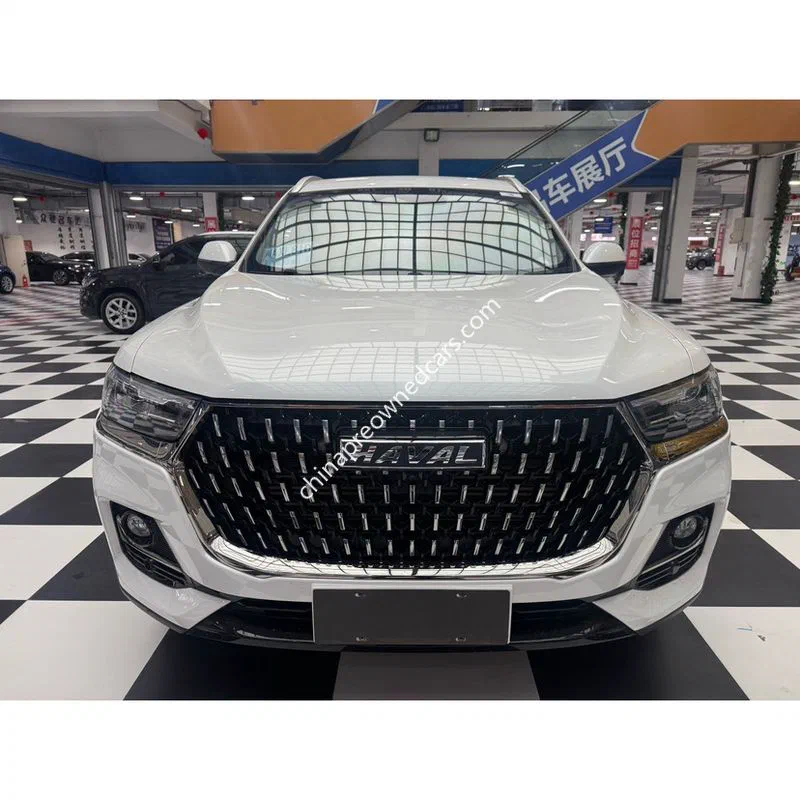
Start with vehicles in the same class and with similar equipment. For buyers sourcing Chinese SUVs, the BYD Atto 3 is an electric option, while the Chery Tiggo 7 Plus, Chery Tiggo 8 Pro, Geely Coolray, and Haval H6 provide alternatives with specifications that depend on the particular version and model year. Do not assume that vehicles carrying the same model name have identical engines, safety equipment, or infotainment systems.
A practical comparison should record the following details:
- Model year, trim level, powertrain, transmission, and drive configuration.
- Odometer reading, service history, previous damage, and evidence of repairs.
- Tire wear, paint condition, interior wear, warning lights, and visible mechanical issues.
- VIN consistency across the vehicle, registration documents, and export paperwork.
- Available inspection reports, diagnostic scans, and supporting photographs.
Condition grades are useful only when the grading criteria are clear. One supplier may classify cosmetic wear differently from another. Request the grading definition and supporting evidence rather than treating a label such as Grade A as proof of mechanical condition. Mileage should also be checked against service records and available electronic data. Neither mileage nor condition should be accepted as guaranteed solely because it appears in an online listing.
Calculate export suitability and landed cost
A vehicle that looks suitable online may not meet the destination market’s requirements. Buyers importing into Ghana, Nigeria, Kenya, Uganda, or Tanzania should confirm the current rules with the relevant authorities or a qualified local clearing agent. Requirements can cover vehicle age, emissions, roadworthiness, import eligibility, documentation, and inspection. These rules can change, so an older listing or a supplier’s general statement is not sufficient evidence of compliance.

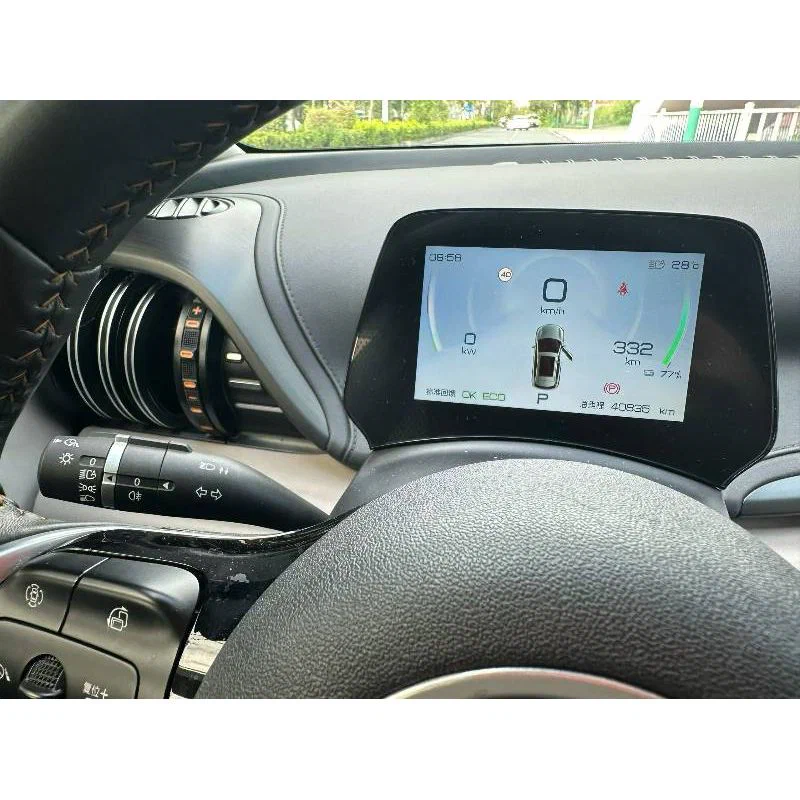
Drive configuration deserves particular attention. Most vehicles in China’s domestic market are left-hand drive, and destination rules may restrict their import or use. Confirm acceptability before paying a deposit. For the BYD Atto 3, request battery state-of-health information, diagnostic results, charging compatibility details, and the battery’s reported condition. Hybrid vehicles also require checks of their high-voltage systems and relevant battery components. Electric vehicles may involve additional handling and transport requirements, depending on battery condition and the carrier’s policies.
Compare the complete landed-cost estimate, not just the vehicle price. The calculation should account for inland transport in China, export licensing, pre-shipment inspection, customs declaration, documentation, freight, insurance where arranged, destination duties and taxes, port charges, and local clearance. Shipping may use roll-on/roll-off (RoRo) services or container transport. RoRo is generally suited to vehicles accepted by the carrier for drive-on vessel transport, while containers may offer different handling and consolidation options. The right choice depends on route availability, cargo requirements, and the vehicle’s characteristics.
Before committing, ask the exporter to explain the payment schedule, inspection process, documents supplied, and how delays or discrepancies are handled. Confirm the shipping estimate for the specific route rather than relying on a general delivery promise. Chinapreownedcars.com handles export logistics, pre-shipment inspection, documentation, and shipping arrangements for its listed Chinese-brand vehicles. Buyers should agree in writing on the vehicle specification, inspection scope, payment milestones, and responsibility for destination charges. After-sales support should also be defined, including whether technical information, parts guidance, or remote assistance is available after arrival.
FAQ
Q: Can an online listing confirm that a used car is suitable for export?
A: No. Listings help compare specifications and shortlist vehicles, but condition, documents, and destination-country eligibility require separate verification.
Q: Is RoRo or container shipping better for a used SUV?
A: RoRo can suit vehicles accepted for roll-on/roll-off transport, while containers may offer alternative handling and consolidation arrangements. Compare carrier availability, costs, cargo requirements, and insurance terms before choosing.
Q: What should buyers check before purchasing a used electric SUV?
A: Request battery state-of-health evidence, diagnostic results, charging compatibility details, service history, and confirmation that the vehicle and battery can be shipped under the carrier’s requirements.