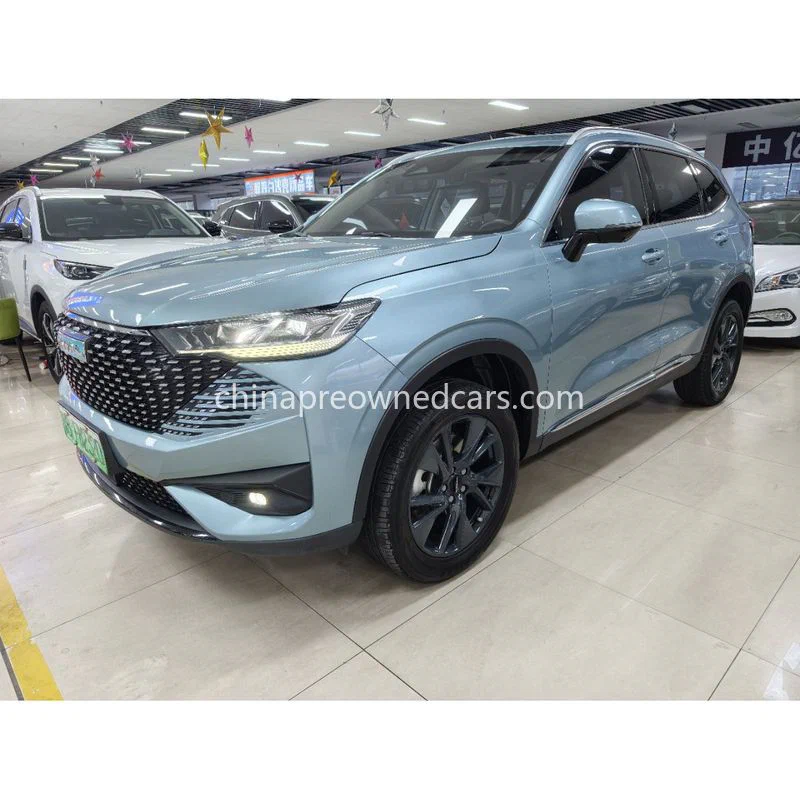
Battery state of health (SOH) is one of the most important factors when sourcing used electric vehicles from China for export. Unlike a conventional vehicle, an EV can appear mechanically sound while its battery has lost a meaningful portion of its original capacity. For overseas buyers, this affects usable driving range, charging frequency, resale value and the vehicle’s suitability for local conditions. A sourcing decision should therefore begin with battery evidence, not the odometer or exterior condition alone.
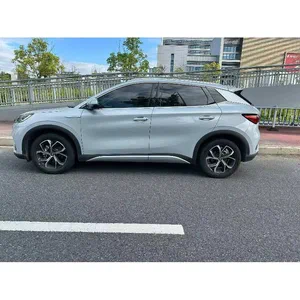
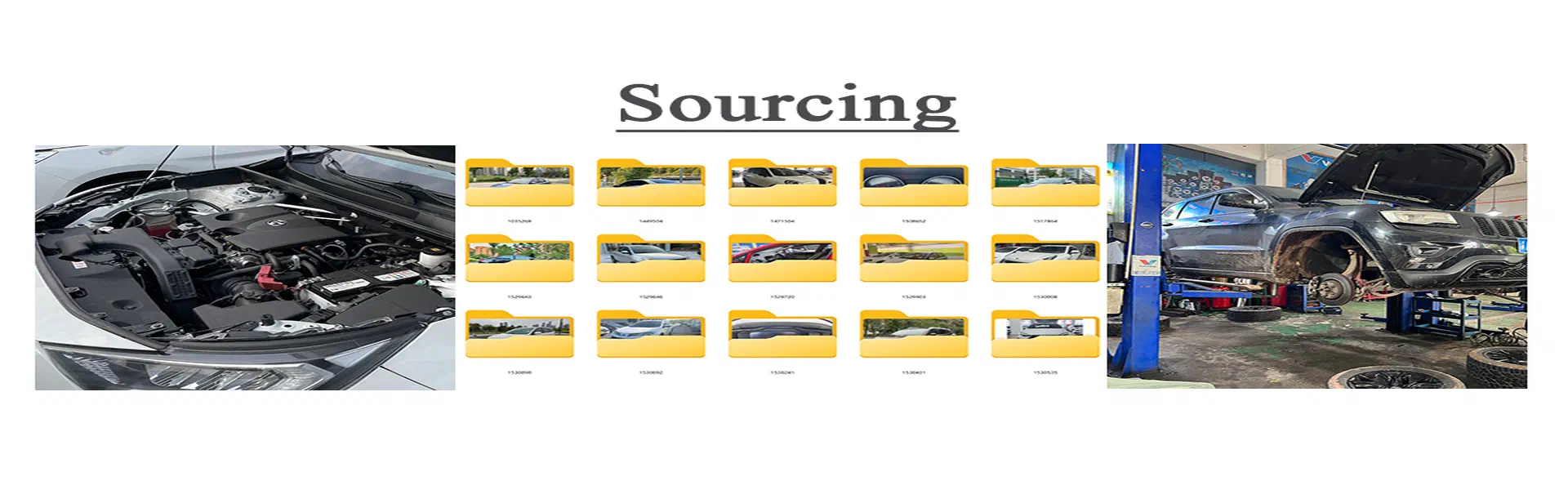
The first step is obtaining a battery health assessment before agreeing on the purchase. Buyers should request a diagnostic report showing the current SOH, available battery capacity, cell voltage differences, temperature readings and any recorded battery management system faults. A dashboard range estimate is not a substitute for this information because it changes with driving habits, temperature and recent energy consumption. Charging and discharging tests can provide additional evidence, particularly when the vehicle has a history of heavy use. The BYD Atto 3, for example, should be assessed using vehicle-specific diagnostic information rather than a generic EV checklist. Mileage, service records, accident history and previous battery repairs also require verification. Dealer sourcing may provide more consistent documentation and direct access to vehicle records, while auctions can offer broader sourcing opportunities but may involve limited inspection access. In either case, an independent pre-shipment inspection should record the vehicle’s condition and identify discrepancies before payment is completed.

Charging compatibility is another purchasing decision that is easily overlooked. Chinese domestic-market EVs commonly use GB/T connectors, while CCS and CHAdeMO are established charging standards in different international markets. Their availability and acceptance vary. Buyers targeting Ghana, Nigeria, Kenya, Uganda or Tanzania should confirm the connector requirements of local charging networks and the availability of compatible public and private charging equipment. An adapter should not be treated as an automatic solution, since communication protocols, charging power and vehicle compatibility also matter. Importers should establish whether the vehicle supports the charging infrastructure available to its intended customers. Actual driving range deserves similar attention. Battery degradation reduces the distance available between charges, and high ambient temperatures, air-conditioning use, road conditions and charging habits can affect real-world performance. These factors influence resale demand. A vehicle with a lower purchase price may offer weaker commercial value if its remaining range is insufficient for local driving patterns. Buyers researching used car prices forecast should account for battery condition alongside model age, mileage and expected resale demand.
Battery transport also requires separate attention during export planning. Lithium-ion batteries are subject to dangerous goods requirements, and the applicable classification depends on the shipment configuration. UN 3480 generally covers lithium-ion batteries shipped separately, while UN 3481 applies to batteries contained in or packed with equipment. Battery-powered vehicles may fall under the vehicle-specific UN 3556 classification. The exporter and shipping carrier must confirm the correct classification, packaging or vehicle preparation requirements, documentation and applicable IMDG provisions before booking. A vehicle should not be declared under an assumed battery category. The export process also requires the relevant Chinese export licensing, customs declaration and pre-shipment inspection, followed by destination-specific import documentation. RoRo shipping and container transport have different handling arrangements, so the selected carrier must confirm acceptance of the vehicle and its battery configuration. Buyers should agree on payment milestones, inspection scope and responsibility for shipping charges in the purchase contract. Before final payment, verify the VIN, mileage records, diagnostic results, condition grading and export documents. For imports into the five target markets, confirm current vehicle-age restrictions, emissions requirements, roadworthiness rules and left-hand-drive acceptance with local authorities or a licensed customs broker. Most Chinese domestic vehicles are left-hand drive, making this check particularly important. Battery warranty transferability and access to replacement parts should also be discussed before purchase, since these directly affect the vehicle’s long-term resale prospects.
FAQ
Q: What battery SOH is acceptable when buying a used EV for export?
A: There is no universal acceptable threshold. Buyers should assess remaining capacity against the intended driving range, local operating conditions, resale expectations and any applicable manufacturer guidance.
Q: Are Chinese GB/T charging connectors compatible with CCS charging stations?
A: Not automatically. Buyers should verify the vehicle’s charging specifications, communication compatibility and the availability of approved adapters or charging alternatives in the destination market.
Q: Do used electric vehicles require special shipping documentation?
A: Yes. Lithium battery classification, applicable dangerous goods requirements, carrier acceptance and customs documentation must be checked before shipment. The correct UN classification depends on the vehicle and battery configuration.