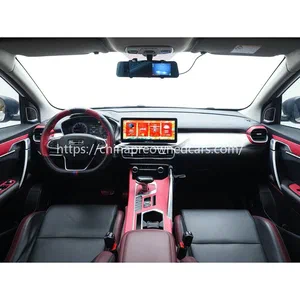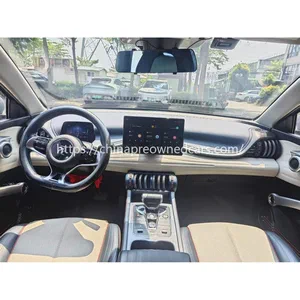

Geely Coolray is a compact SUV sourced from China’s used vehicle market and prepared for export to overseas buyers. This article covers the specifications that matter for export, the checks needed before purchase, and the procedures involved in shipping a used unit from China.
The Geely Coolray is positioned as a practical compact SUV for daily transport in markets such as Ghana, Nigeria, Kenya, Uganda, and Tanzania. Depending on the production year and configuration, used units are commonly equipped with gasoline turbocharged engines, automatic transmissions, and front-wheel drive layouts. These specifications suit urban commuting and mixed road conditions where fuel efficiency, easy handling, and maintenance access are important factors. Most Chinese domestic vehicles are left-hand drive, including many Geely Coolray units, so buyers should confirm compatibility with local driving requirements before sourcing. A search for good used cars under 2000 may bring many options online, but export buyers should focus on vehicle condition and suitability rather than only purchase cost.
Geely Coolray specifications for export sourcing
For overseas sourcing, the key technical checks include engine condition, transmission response, fuel system status, and service records. The Coolray’s compact size can be useful in cities where parking space and fuel consumption are concerns. Buyers comparing it with other Chinese SUVs, such as BYD Atto 3, Chery Tiggo 7 Plus, Chery Tiggo 8 Pro, and Haval H6, should consider the intended use, local repair capability, and parts supply channels. The vehicle’s emission level must match the current requirements of the destination market, which vary by country and may change over time. A buyer should confirm the latest import rules before placing an order. For markets with longer driving distances or limited fuel availability, fuel economy records from the specific vehicle are more useful than general model claims.
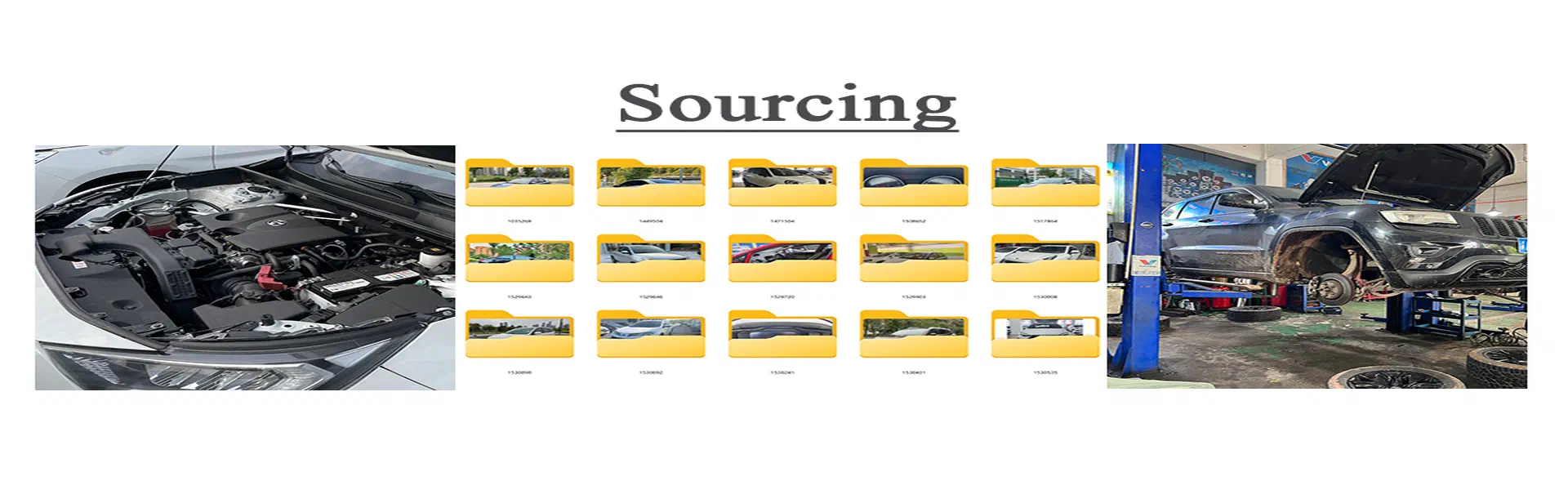
Used vehicle grading is an important part of the sourcing process. Exporters usually assess body condition, interior wear, mechanical performance, accident records, service history, and mileage information before listing a vehicle. A grade alone should not replace detailed inspection documents. Buyers should request the vehicle identification number, maintenance information where available, photos, and inspection findings before payment. Dealer sourcing and auction sourcing are different approaches. Dealer vehicles may offer clearer service information, while auction vehicles can provide more choices but often require stronger inspection procedures. The final purchase decision should be based on verified vehicle details rather than online appearance.

Inspection and export preparation
Before shipment, Chinese used vehicle exports require export licensing, customs declaration, and pre-shipment inspection. A professional inspection normally checks the vehicle identity, exterior condition, mechanical systems, and export requirements. For Geely Coolray units, particular attention should be given to engine operation, gearbox condition, suspension wear, tire condition, and electronic functions. Buyers should also confirm whether the vehicle is suitable for the destination road environment, including climate, road quality, and available maintenance support. After approval, exporters arrange documentation and shipping preparation. Vehicles may be transported by RoRo shipping or loaded into containers, depending on the route, vehicle type, and buyer requirements.
Shipping arrangements require clear communication between exporter and buyer. Common documents include vehicle export paperwork, customs-related documents, inspection records, and shipping documents required by the destination port. Payment terms should be agreed before the transaction begins, including what stage payments are made and what documents are provided at each stage. Shipping lead time depends on vessel schedules, port procedures, customs processing, and destination requirements. Importers in Ghana, Nigeria, Kenya, Uganda, and Tanzania should also confirm local rules regarding vehicle age, emissions, drive side, and roadworthiness before shipment because these requirements are not identical across markets.
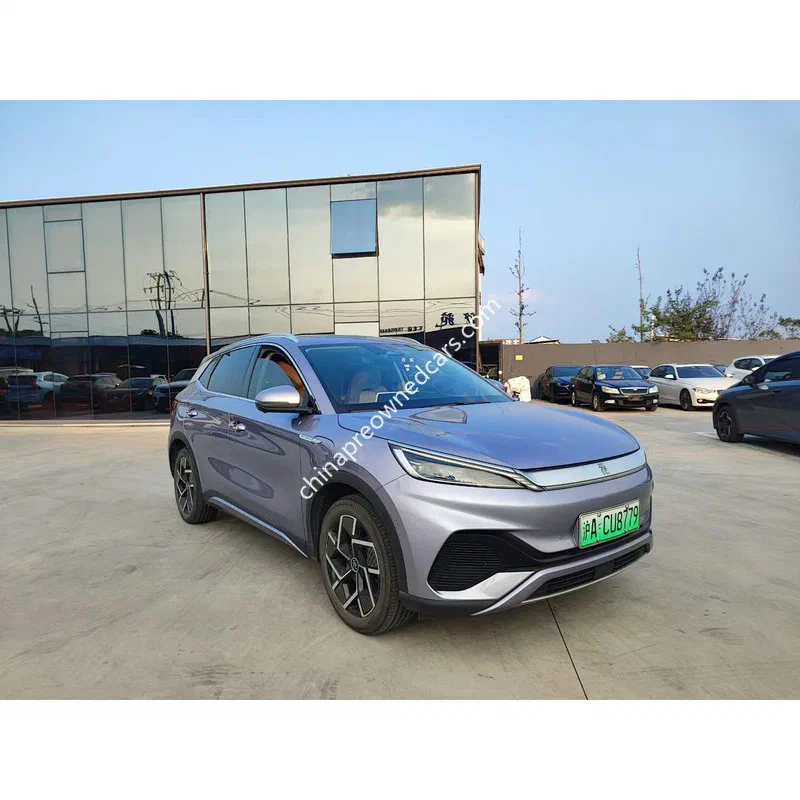
Practical checks before buying a Geely Coolray
A used Geely Coolray can be a practical export option when the selected unit matches market needs and passes proper verification. Buyers should check battery condition only for electric vehicles such as BYD Atto 3, while gasoline models like the Coolray require attention to engine and fuel system records. The sourcing process should include a review of mileage records, previous ownership information, accident history, and current physical condition. Independent inspection before purchase reduces uncertainty and helps identify repairs that may affect total import cost. After-sales support should also be discussed, including access to technical information, spare parts sourcing, and communication after arrival.
The most common mistakes in used vehicle imports come from incomplete checks before purchase. Photos may not show hidden damage, and advertised mileage or condition should be verified through available records and inspection results. A suitable export partner helps organize vehicle selection, documentation, inspection, and shipping coordination. The final choice should consider the full ownership process after arrival, not only the vehicle purchase stage.
FAQ
Q: Is Geely Coolray suitable for export to African markets? A: Geely Coolray can be considered for markets such as Ghana, Nigeria, Kenya, Uganda, and Tanzania when the vehicle specification matches local requirements. Buyers should confirm drive side, emissions rules, and service support before purchase.
Q: What should be checked before buying a used Geely Coolray from China? A: Buyers should verify VIN details, mileage records, inspection results, service history, and vehicle condition before payment. Export documentation and shipping arrangements should also be confirmed with the exporter.