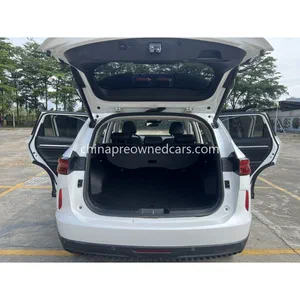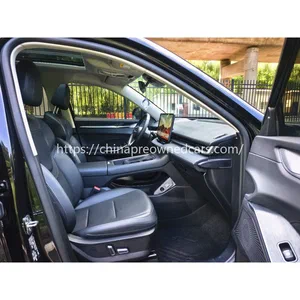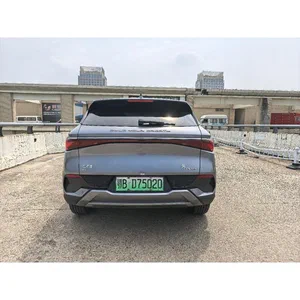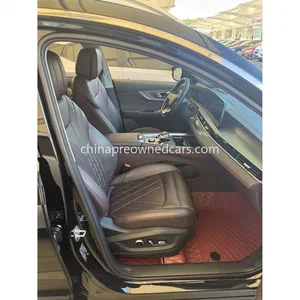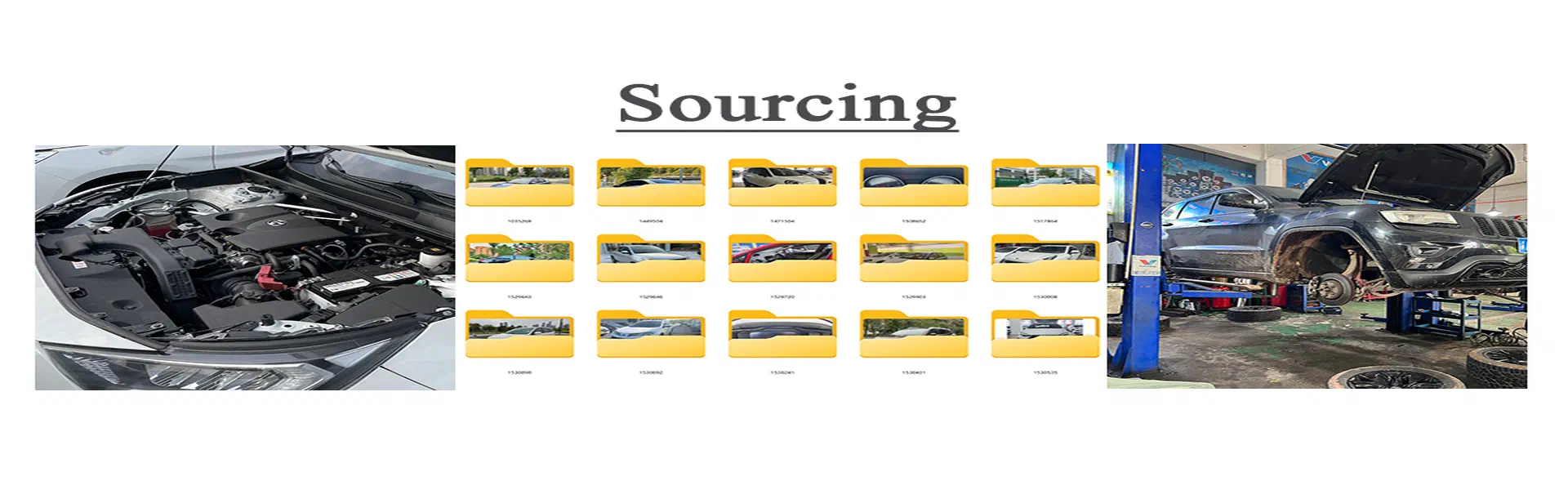
Sourcing a used vehicle from China involves more than selecting a model and agreeing on a purchase price. Buyers need to verify the vehicle, establish its condition, complete export documentation, and coordinate shipping before it reaches the destination port. Each stage affects the transaction’s cost, timing, and risk.
1. Selecting the Vehicle and Verifying Its Source
The first decision is where the vehicle comes from. Chinese used vehicles are generally sourced through dealerships, trading companies, or vehicle auctions. A dealership used cars supplier can provide direct access to listed vehicles and may make it easier to arrange an inspection before purchase. Auction sourcing can offer a wider selection, but buyers should examine the available records carefully because inspection detail and vehicle history may vary between platforms.
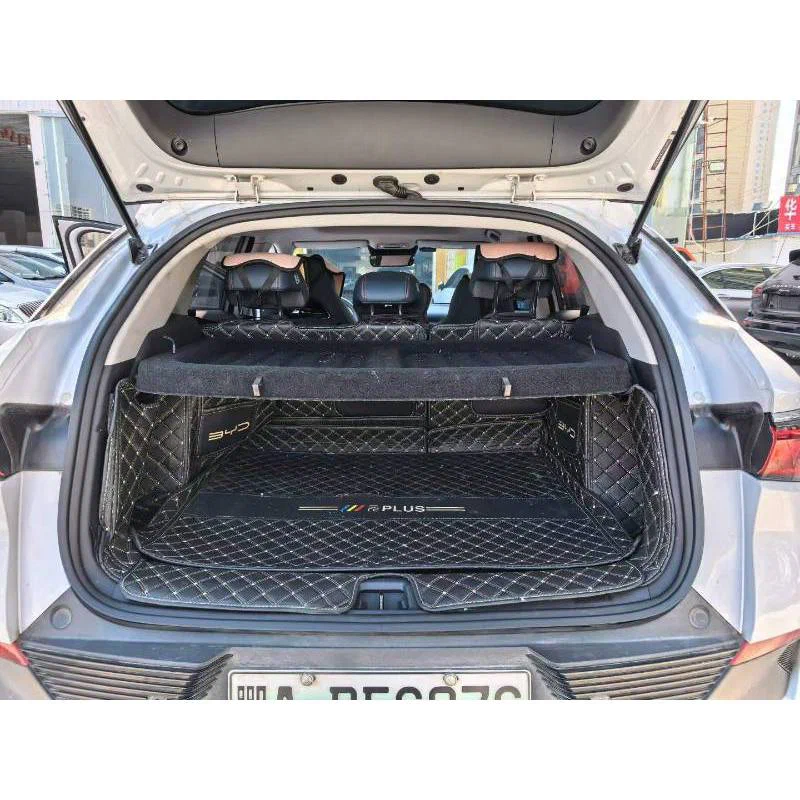
For overseas buyers, sourcing should begin with the intended use and destination requirements. Current export models include the BYD Atto 3, Chery Tiggo 7 Plus, Chery Tiggo 8 Pro, Geely Coolray, and Haval H6. These vehicles serve different purposes. An electric SUV requires additional battery assessment and charging compatibility checks, while a petrol-powered SUV requires closer attention to engine operation, transmission performance, and maintenance history.
Before confirming a vehicle, request its VIN, registration information where available, service records, mileage evidence, and recent photographs. The VIN should be checked against the vehicle documents and physical identification points. Mileage should be compared with available service records and inspection evidence rather than accepted from the dashboard alone. Look for inconsistencies in ownership history, recorded repairs, and dates. Missing documentation does not automatically mean a vehicle is unsuitable, but it increases the need for independent verification.
2. Pre-Shipment Inspection and Condition Assessment
Once a suitable vehicle has been identified, the next stage is a physical inspection before export. This should take place before final shipment arrangements, when there is still an opportunity to discuss discrepancies or reject a vehicle that does not meet the agreed purchasing criteria. A useful inspection covers the exterior, interior, mechanical systems, safety equipment, and vehicle identification details.
The exterior assessment should include body panels, paint consistency, glass, lights, tyres, and signs of previous collision repairs. Inspectors should check for corrosion, structural damage, uneven panel gaps, and evidence of replaced components. Inside the vehicle, seat condition, dashboard functions, air conditioning, windows, infotainment equipment, and warning indicators should be tested. Mechanical checks should cover engine operation, transmission response, braking, steering, suspension, and visible fluid leaks where applicable.
Condition grading helps buyers compare vehicles, but grading terms are not universal. One supplier’s Grade A may not correspond exactly to another supplier’s classification. The purchase agreement should therefore define acceptable damage, wear, repair history, and mechanical condition in writing. Inspection photographs and a dated report provide a useful record for resolving disagreements.

Electric and hybrid vehicles need additional checks. For a BYD Atto 3, battery state of health, charging performance, diagnostic fault codes, and available battery records deserve particular attention. A dashboard battery percentage is not a substitute for a diagnostic assessment. Buyers should also confirm whether the charging connector and charging equipment are compatible with the intended destination. Battery transport declarations and applicable carrier requirements must be addressed before booking.
3. Export Documentation and Customs Preparation
After inspection and purchase approval, the exporter prepares the vehicle for customs clearance. China’s used vehicle exports require the relevant export licensing, customs declaration, and applicable pre-shipment inspection procedures. The exporter should confirm that the vehicle and transaction meet the current requirements before committing to a shipping booking.
The principal documents commonly include:
- Commercial invoice showing the agreed transaction value and vehicle details.
- Vehicle purchase or ownership documentation supporting the export transaction.
- Customs declaration and associated export clearance records.
- Bill of lading issued by the shipping carrier after loading.
- Certificate of origin where required by the destination authority or transaction.
- Inspection documentation and other supporting certificates required for the shipment.
Document consistency matters. The VIN, model description, vehicle details, exporter information, and consignee details should match across the relevant records. Errors can delay customs processing or create difficulties when the buyer applies for import clearance. Buyers should review draft documents before shipment rather than waiting until the vessel has departed.
The destination country also determines which additional documents are necessary. Ghana, Nigeria, Kenya, Uganda, and Tanzania each have their own import procedures. Vehicle age restrictions, emission requirements, roadworthiness standards, import duties, and registration conditions can change. Most Chinese domestic vehicles are left-hand drive, so buyers must confirm that LHD vehicles are permitted for their intended registration category. Requirements should be checked with the destination customs authority or a licensed local clearing agent.
4. Choosing Shipping and Managing Port Handling
The main shipping options are Roll-on/Roll-off (RoRo) and container transport. RoRo is generally suitable for vehicles that can be driven onto and off the vessel. The vehicle is secured in a designated shipping area, making this a straightforward option for eligible units. It can be economical, although sailing availability and port routes influence the final cost.
Container shipping provides a different arrangement. The vehicle is loaded into a container and secured for sea transport. This can offer additional protection from direct exposure during the voyage and may suit higher-value vehicles or shipments involving more than one unit. However, loading, securing, container handling, and unloading add costs. Poor securing can also cause movement damage, so loading procedures and responsibility for any damage should be clarified beforehand.
The choice should account for the vehicle’s condition, shipment size, carrier availability, insurance, and destination port facilities. Buyers should compare the complete shipping quotation rather than the headline freight charge. Port handling, documentation fees, loading costs, insurance, destination charges, and customs-related expenses can all affect the landed cost.
Once the vessel departs, the carrier issues the bill of lading. The exporter should provide the buyer with the shipping details and relevant document copies for destination preparation. On arrival, the vehicle goes through discharge and port handling before the consignee or appointed clearing agent completes import formalities. Port storage and demurrage charges may arise if documents, payments, or customs procedures are not ready.
Typical lead times depend on vehicle preparation, export clearance, vessel schedules, transshipment, and destination port processing. The sourcing and inspection stage takes additional time before departure. Buyers should request separate estimates for preparation, port processing, ocean transit, and destination clearance instead of treating shipping as one fixed period.
Payment terms should also be established before the vehicle is purchased. A written agreement should specify the deposit, balance payment milestone, inspection approval conditions, shipping responsibility, and document release arrangements. Payment should be made against verified company and transaction details. Buyers should understand whether the quotation covers vehicle purchase only or includes export handling and freight, as these are different commercial arrangements.
FAQ
Q: What should buyers verify before purchasing a used car from China?
A: Check the VIN, available vehicle history, mileage evidence, inspection report, physical condition, and destination import eligibility. For electric vehicles, request battery health and diagnostic information.
Q: Is RoRo or container shipping better for exporting used cars?
A: RoRo is often suitable for standard drivable vehicles and may have lower shipping costs. Container shipping provides enclosed transport but involves additional loading and securing expenses, so the choice depends on the vehicle and shipment requirements.