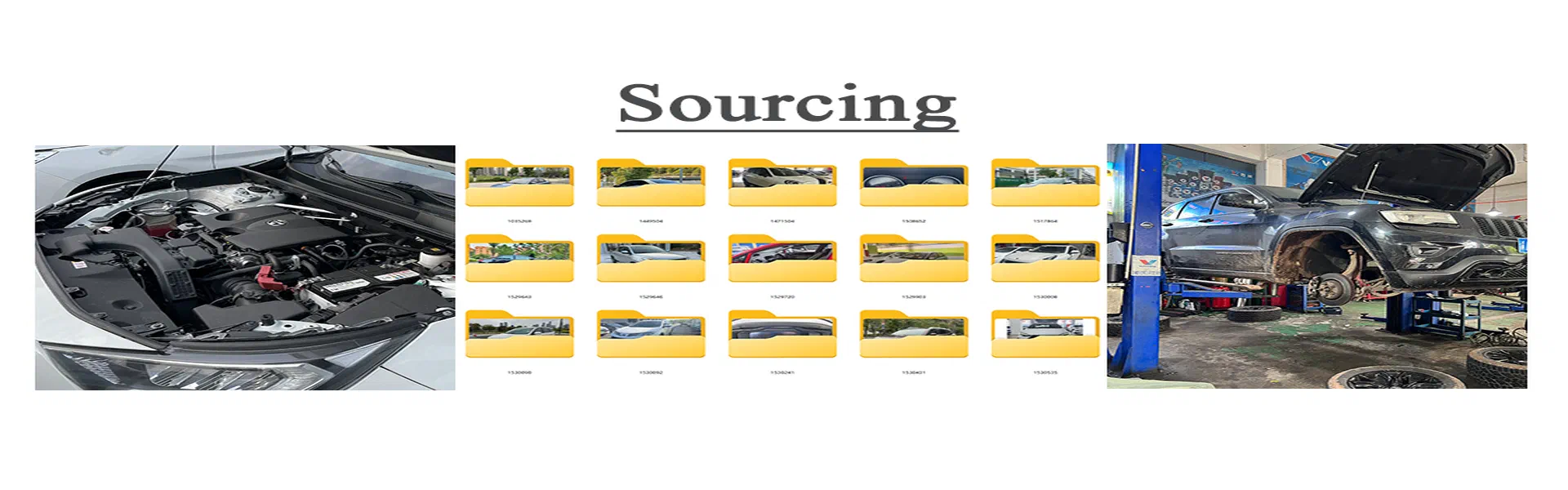
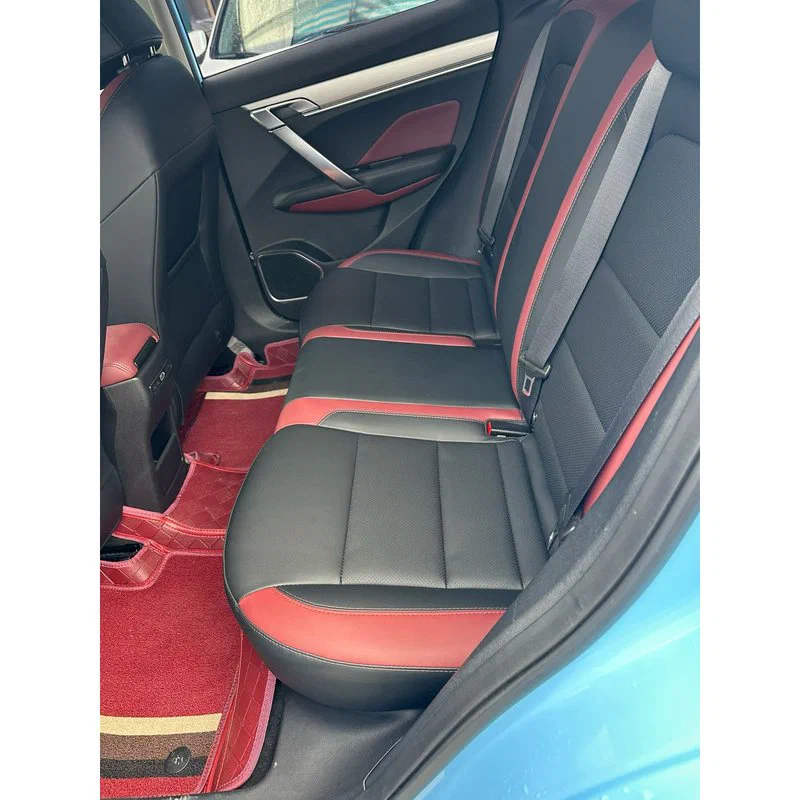
Exporting electric SUVs involves unique considerations that impact dealer fees and buyer costs. This article examines key factors, from battery health assessments to transport requirements, to help buyers understand what to verify before sourcing these vehicles from China.
Battery State-of-Health and Resale Value
The condition of an electric SUV’s battery significantly affects its resale value and suitability for export markets. Buyers should demand state-of-health reports detailing metrics like capacity retention and charge cycles. A battery with over 80% capacity retention is generally acceptable, but degraded batteries can lower the vehicle’s value and performance. Dealers often factor the cost of battery diagnostics into their fees, making thorough inspections critical. Additionally, buyers must consider how battery degradation impacts driving range, especially in regions where charging stations are scarce.
Charging Connector Standards and Compatibility
China’s domestic electric SUVs typically use GB/T charging connectors, while export markets may rely on CCS or CHAdeMO standards. Buyers should verify whether adapters can bridge this gap or if the destination country’s infrastructure supports GB/T. For example, African markets often have limited EV charging infrastructure, making compatibility a decisive factor. Dealers may offer services to confirm connector compatibility and advise on suitable charging solutions, which could influence their fees.
Battery Transport Regulations and Shipping Methods
Shipping electric SUVs from China involves compliance with international battery transport regulations, such as UN 3480 for lithium-ion batteries classified as dangerous goods. Proper packaging, labeling, and documentation are required, and these processes can increase export costs. Roll-on/Roll-off (RoRo) shipping is generally more economical but may offer less protection for vehicles compared to container shipping. Buyers should evaluate shipping methods based on their budget and the condition of the vehicles being transported.

Destination Infrastructure and Market Requirements
The availability of charging infrastructure in export markets like Ghana, Nigeria, and Kenya directly affects an electric SUV’s usability and attractiveness. Buyers sourcing for these markets should assess charging station density and power availability. Furthermore, import regulations such as age limits, emissions standards, and left-hand drive requirements vary by country and must be confirmed before purchase. Dealers often assist with regulatory compliance, but buyers should independently verify these requirements to avoid delays or unexpected costs.

Practical Verification Before Purchase
To minimize risks, buyers should conduct a thorough review of vehicle history, mileage, and condition grading. Dealer-sourced vehicles often undergo inspections that include roadworthiness tests, but buyers should still verify VIN numbers and request detailed inspection reports. Payment terms and shipping lead times should also be clarified upfront to ensure transparent transactions. Dealers may charge fees for these services, but they add value by reducing the buyer’s workload and ensuring compliance with export standards.
FAQ
Q: How does battery health affect resale value?
A: A degraded battery reduces driving range and market value, making state-of-health verification essential before purchase.
Q: Are GB/T chargers usable in Africa?
A: Compatibility depends on the region’s infrastructure. Buyers may need adapters or alternative charging solutions.
Q: What shipping method is best for electric SUVs?
A: RoRo is cost-effective but less protective than containers. Evaluate based on vehicle condition and budget.