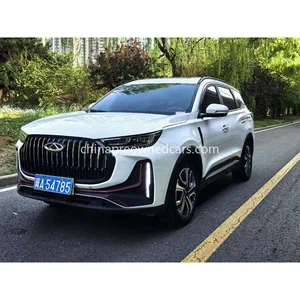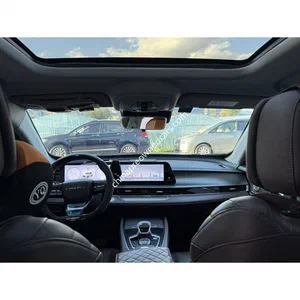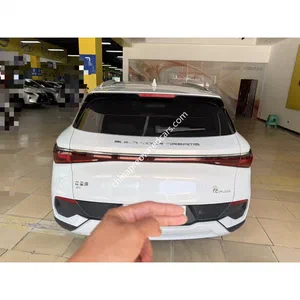
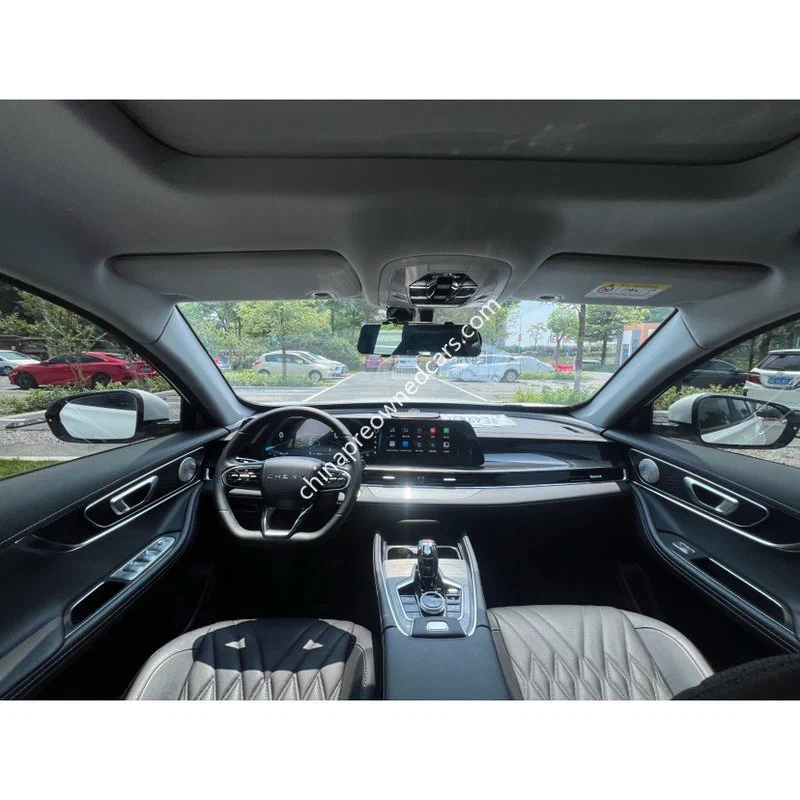
Evaluating electric and hybrid vehicles for export requires attention to several key factors, particularly regarding battery health and compatibility with destination markets. This applies to models like the BYD Atto 3, Chery Tiggo 7 Plus, Chery Tiggo 8 Pro, Geely Coolray, and Haval H6, which are increasingly popular in regions such as Africa and the Middle East. Buyers must consider the specifications and condition of these vehicles to ensure they meet the requirements of their respective markets.
One of the primary considerations is the battery state-of-health (SoH). This metric indicates the remaining capacity of the battery compared to its original capacity. A thorough assessment of the SoH is crucial as it directly impacts the vehicle’s performance and resale value. Buyers should request detailed battery reports, which should include metrics such as charge cycles, current capacity, and any signs of degradation. It’s also advisable to verify that the battery’s specifications align with the requirements of the destination market to avoid compliance issues.

Charging compatibility is another essential factor. Different countries adopt various standards for electric vehicle (EV) charging connectors, including GB/T, CCS, and CHAdeMO. For instance, markets in the Middle East predominantly utilize CCS, while some regions may still support CHAdeMO. Understanding these standards is vital for ensuring that the exported vehicles can be charged effectively upon arrival. Buyers should also research the availability of charging infrastructure in their specific region, as this can significantly influence the vehicle’s usability.
Additionally, compliance with battery transport regulations is critical. Electric and hybrid vehicles are classified as dangerous goods under the UN 3480 regulations, necessitating careful handling during shipping. Exporters must ensure that all vehicles are properly packaged and labeled to comply with these regulations. It is also essential to confirm that the shipping method—whether RoRo (Roll-on/Roll-off) or container shipping—meets safety standards for transporting batteries.
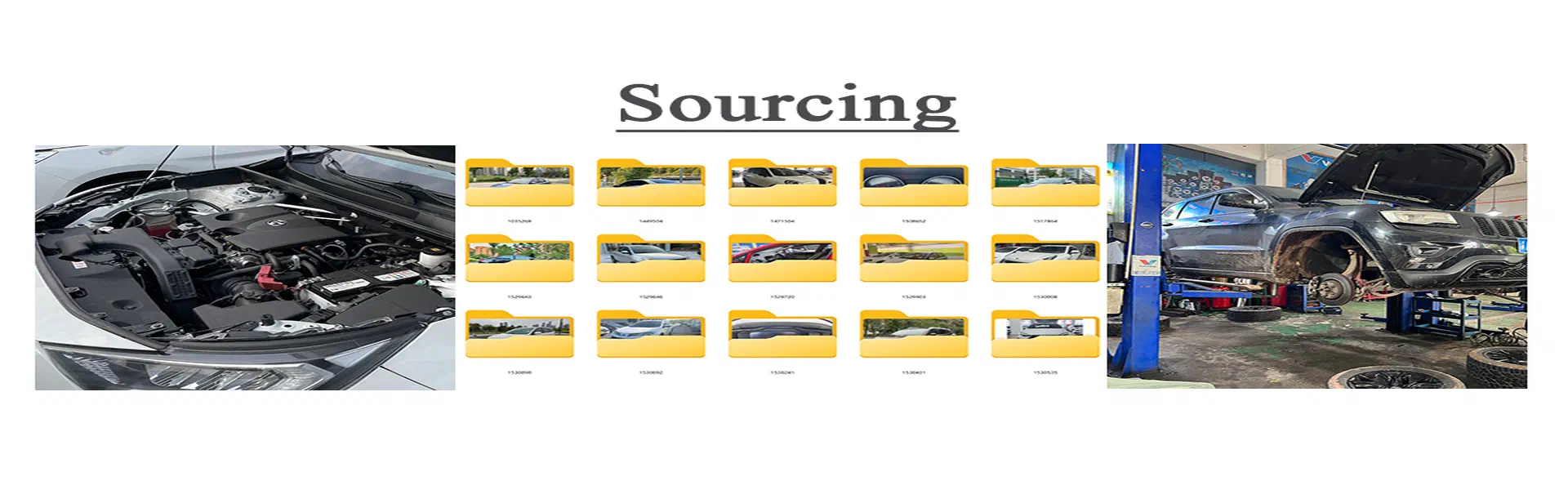
Buyers looking to source used electric vehicles should conduct a thorough inspection process. This includes verifying the vehicle’s history, such as past accidents, maintenance records, and any reported repairs. A pre-purchase inspection by a qualified technician can help identify potential issues that may not be immediately visible. Understanding the vehicle’s condition grading, which typically ranges from excellent to fair, can provide further insights into the expected performance and longevity of the vehicle.
Payment terms and shipping lead times are practical aspects that also require attention. Buyers should discuss these terms with exporters to ensure clarity on the conditions of sale. Typical shipping lead times for vehicles from China to Africa or the Middle East can vary, often ranging from 15 to 25 days. Timely communication regarding these logistics is essential to avoid delays and facilitate smooth transactions.
After-sales support is another consideration that can enhance the buyer’s experience. Exporters should offer assistance with any issues that arise post-purchase, including parts availability and warranty services. Establishing a reliable relationship with the exporter can provide peace of mind and ensure that buyers are supported throughout the ownership of their vehicles.
FAQ
Q: What should I check before purchasing a used electric vehicle for export?
A: Verify the battery state-of-health, vehicle history, and condition grading. A pre-purchase inspection is also recommended.
Q: How long does shipping typically take for vehicles exported from China?
A: Shipping lead times generally range from 15 to 25 days, depending on the destination and shipping method.