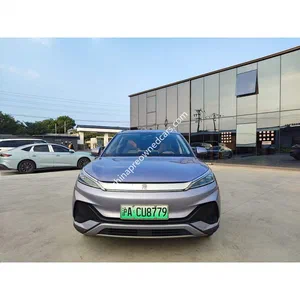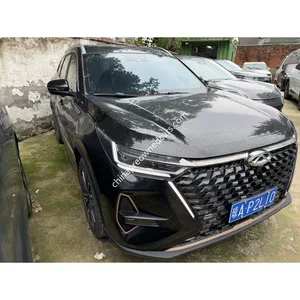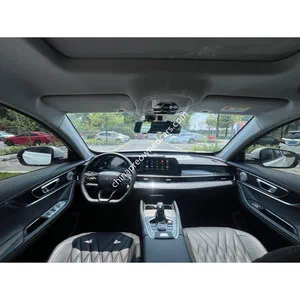
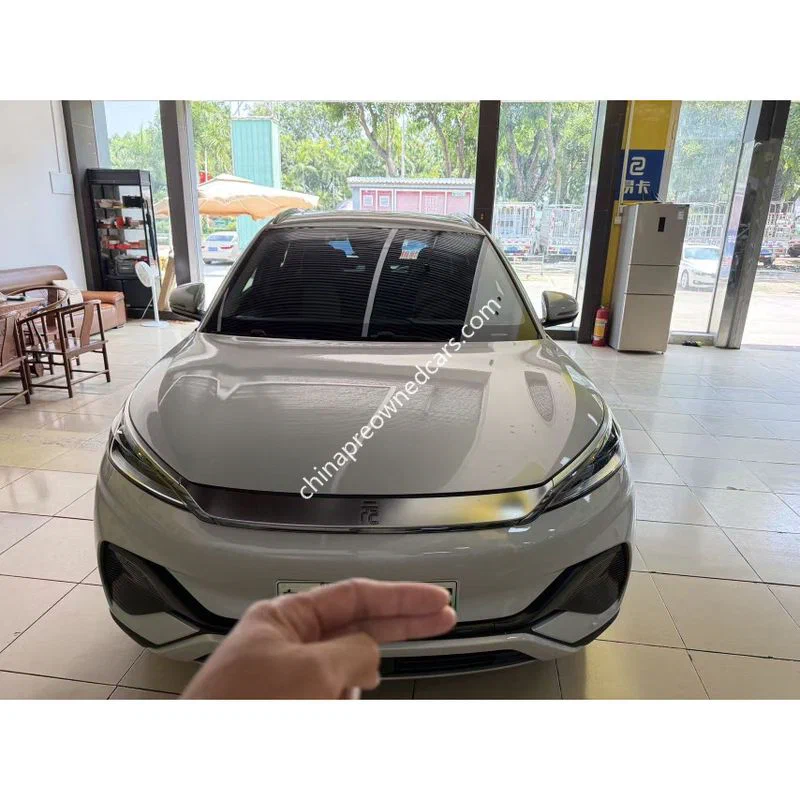
Electric and hybrid vehicles are increasingly sought after in global markets, particularly for their sustainability and efficiency. When considering sourcing these vehicles, potential buyers should focus on key aspects such as battery life, performance, and compliance with export regulations. This article provides essential insights into evaluating battery state-of-health, understanding charging standards, and ensuring that vehicles meet the specific requirements of the target export markets.
Battery state-of-health is a crucial factor in determining the longevity and resale value of electric vehicles. Before purchasing, buyers should verify the battery’s capacity compared to its original specification. This can often be assessed through diagnostic tools that provide insights into battery degradation over time. The degree of battery degradation directly impacts not only the vehicle’s performance but also its appeal in markets where buyers are increasingly educated about electric vehicle technology.
Charging connector standards vary across regions, influencing the usability of electric vehicles in different markets. In China, the GB/T standard is prevalent, while CCS and CHAdeMO connectors are widely recognized in Europe and Japan, respectively. Buyers should research the charging infrastructure in their target markets, such as Ghana, Nigeria, Kenya, Uganda, and Tanzania, to ensure compatibility. This will help prevent potential issues with charging accessibility once the vehicle arrives at its destination.
Transporting batteries across borders requires adherence to strict regulations. Used electric vehicles must comply with UN 3480 guidelines, which classify lithium-ion batteries as dangerous goods. Exporters must ensure proper packaging and labeling to meet these regulations, which can vary depending on the destination country. Buyers should confirm that their chosen exporter is familiar with these requirements to avoid costly shipping delays or compliance issues.

The availability of charging infrastructure in the destination market is another critical consideration. Many African countries are expanding their electric vehicle charging networks, but the level of development varies widely. Buyers should assess the current and projected infrastructure in their target regions to gauge the practicality of operating electric vehicles. This evaluation will help buyers understand how range limitations and potential battery degradation may affect vehicle usability and resale potential.
When sourcing used electric and hybrid vehicles, buyers should also consider the procurement method. Engaging with reputable dealers can provide more comprehensive vehicle history and condition reports compared to auction sourcing. Furthermore, it is essential to conduct thorough inspections, ideally through a pre-purchase inspection process, to verify the vehicle’s condition. Buyers should also inquire about payment terms, shipping lead times, and after-sales support to ensure a smooth transaction.
Lastly, buyers should be aware of the evolving regulations regarding vehicle age limits, emissions standards, and import regulations in their target markets. These requirements can change frequently, so it is advisable to consult local authorities or experienced exporters prior to making a purchase. Ensuring compliance with these regulations can significantly influence the success of the vehicle importation process.
FAQ
Q: What should I check about the battery before purchasing an electric vehicle?
A: Buyers should assess the battery state-of-health to understand its remaining capacity and potential degradation over time.
Q: How can I ensure that the vehicle meets the import regulations for my country?
A: It is crucial to consult with local authorities or a knowledgeable exporter to verify current regulations regarding vehicle age, emissions, and other compliance requirements.