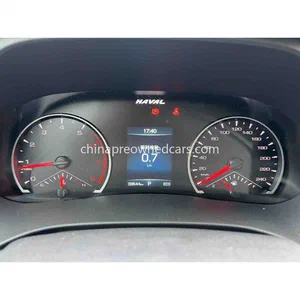

Assessing a used vehicle for export requires careful consideration of several factors to ensure a satisfactory purchase. Buyers should start with a thorough examination of the vehicle’s history, including mileage, service records, and any past accidents. For instance, vehicles listed with around 60,000 miles might indicate moderate use but require verification of maintenance practices and the condition of components. Additional checks like the state of the battery for electric vehicles should also be prioritized, as battery health can significantly affect the vehicle’s performance and resale value.
Documentation plays a critical role in the export process. Buyers should request an inspection report confirming the vehicle’s condition and a valid export license, which is essential for customs clearance. Furthermore, understanding the shipping method is crucial; vehicles can be shipped via Roll-on/Roll-off (RoRo) or container. Each method has distinct advantages and potential complications regarding timing and cost. Buyers should also be aware of the specific import regulations in their target market, such as emission standards and vehicle age limits, as these can vary significantly by country.

Evaluating the credibility of an exporter is equally important. Researching their reputation and ensuring they have a history of successful transactions can prevent potential issues. Standard payment terms often include options like bank transfers or letters of credit, but it is wise to clarify these terms upfront. Common pitfalls in the export process include unexpected import duties or delays due to improper documentation. Therefore, maintaining open communication with the exporter and confirming all requirements will help mitigate risks.
FAQ
Q: What should I verify about the vehicle before purchasing?
A: Buyers should check the vehicle’s mileage, service history, accident record, battery health for EVs, and the authenticity of the VIN.
Q: What documentation is necessary for exporting a vehicle?
A: Essential documentation includes an inspection report, export license, and customs clearance paperwork to ensure compliance with regulations.