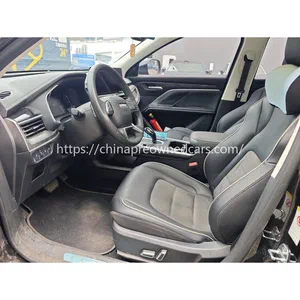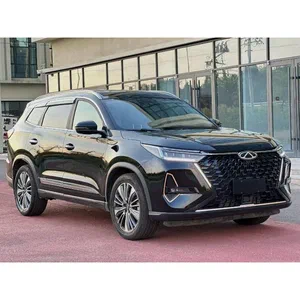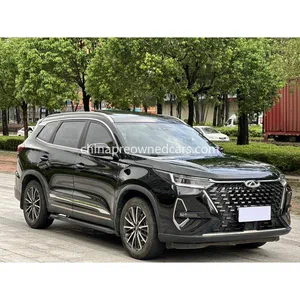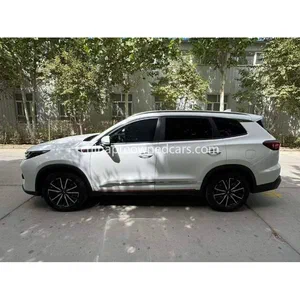
A second-hand electric SUV does not automatically come with a battery warranty, even if the vehicle was originally sold with manufacturer coverage. Whether any protection remains depends on the original warranty terms, the vehicle’s age and mileage, its service history, and whether the manufacturer permits the warranty to transfer to a subsequent owner. For overseas buyers sourcing from China, confirming battery coverage before payment is essential because repairs after shipment can be difficult to arrange.
Battery warranty and general vehicle warranty are separate matters. A manufacturer may cover the high-voltage traction battery for a defined period or mileage, while other components follow different terms. The original coverage may have started on the first retail registration date rather than the date of export or resale. A second owner therefore does not necessarily receive a fresh warranty period. Buyers should request the original warranty booklet, registration records, and written confirmation of the remaining coverage. The phrase second hand car warranty can refer to several different arrangements: transferable manufacturer protection, a dealer-provided warranty, or a separate extended warranty. These should not be treated as equivalent. For an electric SUV, the documents must identify whether the traction battery, battery management system, electric motor, and charging equipment are covered, along with any exclusions or claim conditions.
Battery health requires its own assessment during sourcing. A vehicle can start, drive, and display a normal dashboard range while its battery has lost some usable capacity. Ask for a diagnostic report showing the battery state of health (SOH), available fault codes, and any recorded high-voltage system warnings. The method used to calculate SOH matters, so the report should identify the diagnostic equipment or procedure and the date of testing. Where available, compare the reported capacity with the manufacturer’s original specification and check for uneven cell voltages or abnormal temperature readings. A short road test alone cannot establish battery condition. Review charging records if accessible, inspect the charging port and cable connections, and check whether the vehicle can complete an AC or DC charging session. For models such as the BYD Atto 3, the exact battery specification and applicable warranty terms should be confirmed against the individual vehicle’s records rather than assumed from the model name alone. If a seller cannot provide a meaningful battery assessment, the buyer should account for that uncertainty before agreeing to the purchase.
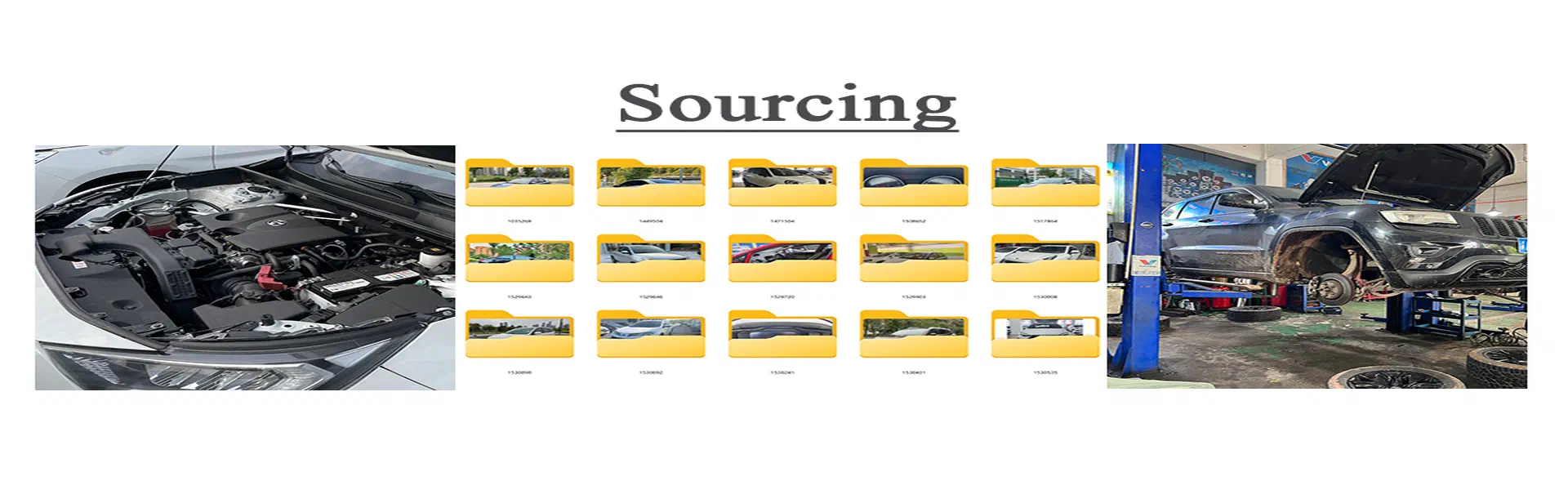
The sourcing channel affects how much evidence is available. A dealer may be able to provide service records, previous registration documents, diagnostic results, and time for a detailed inspection. An auction vehicle may offer a lower purchase cost, but its records and inspection access can be more limited, depending on the auction process. In either case, verify the VIN against the vehicle, registration documents, and available history records. Check mileage consistency across inspection reports and service entries, and examine body repairs, underbody damage, signs of water ingress, and evidence of previous collision repairs. Condition grading is useful for comparing vehicles, but grading systems differ between suppliers and do not replace a technical inspection. The purchase agreement should identify the actual vehicle, agreed condition, included accessories, known faults, and the documents the seller must supply. Before transferring funds, agree on the inspection scope, payment milestones, and the procedure if the vehicle fails an agreed check. A deposit should not be treated as proof that the battery or warranty has been verified.

Export preparation introduces additional checks that domestic buyers may not face. Chinese used vehicle exports require the relevant export licensing, customs declaration, and pre-shipment inspection. The exporter should clarify which party arranges each document and provide the expected process for clearing the vehicle for shipment. Vehicles may travel by roll-on/roll-off (RoRo) vessel or inside a shipping container; the appropriate method depends on the vehicle, route, handling requirements, and commercial terms. Buyers in Ghana, Nigeria, Kenya, Uganda, and Tanzania should independently confirm current import rules, including vehicle-age restrictions, emissions requirements, steering configuration, duties, and registration conditions. Most vehicles sourced from China’s domestic market are left-hand drive, which requires particular attention where local rules restrict steering configuration. Battery warranty is also distinct from shipping responsibility: a manufacturer may not provide convenient overseas repairs, and warranty validity can depend on the destination and service network. Used EV shipments may require additional battery documentation and carrier acceptance checks. Before dispatch, obtain the final inspection report, export documents, shipping details, and any written warranty confirmation. If manufacturer coverage cannot be used in the destination country, establish what diagnostic support, parts supply, and paid repair options are realistically available.
FAQ
Q: Can a second-hand electric SUV still have its original battery warranty?
A: Yes, if the original coverage has not expired and the manufacturer permits it to transfer to the new owner. Confirm the remaining term, mileage conditions, exclusions, and overseas claim eligibility in writing.
Q: What should an overseas buyer request before paying for a used electric SUV?
A: Request the VIN and vehicle history, a dated battery diagnostic report, available service records, the original warranty documents, and a written inspection and payment agreement. Confirm destination-country import requirements and whether warranty service is available locally before authorizing shipment.